

In a city like St. Louis, where the stresses of urban life meet the echoes of historical challenges, a surprising statistic emerges from recent health reports. According to a 2024 survey by the Missouri Department of Health and Senior Services, nearly 40% of residents report chronic stress levels that impact daily functioning, a figure that’s climbed 15% since the pandemic’s peak. This uptick has spotlighted emotional sobriety as a key tool for resilience, not just for those in recovery but for anyone seeking balance. Emotional sobriety, St. Louis wellness, stress relief—it’s a triad gaining traction in public health circles, promising a steadier emotional keel amid life’s turbulence. As initiatives roll out in 2025, experts argue it’s more than buzz; it’s a practical response to mounting mental health needs, weaving sobriety’s principles into community wellness programs to foster calmer, more grounded lives.
Defining Emotional Sobriety in Everyday Terms
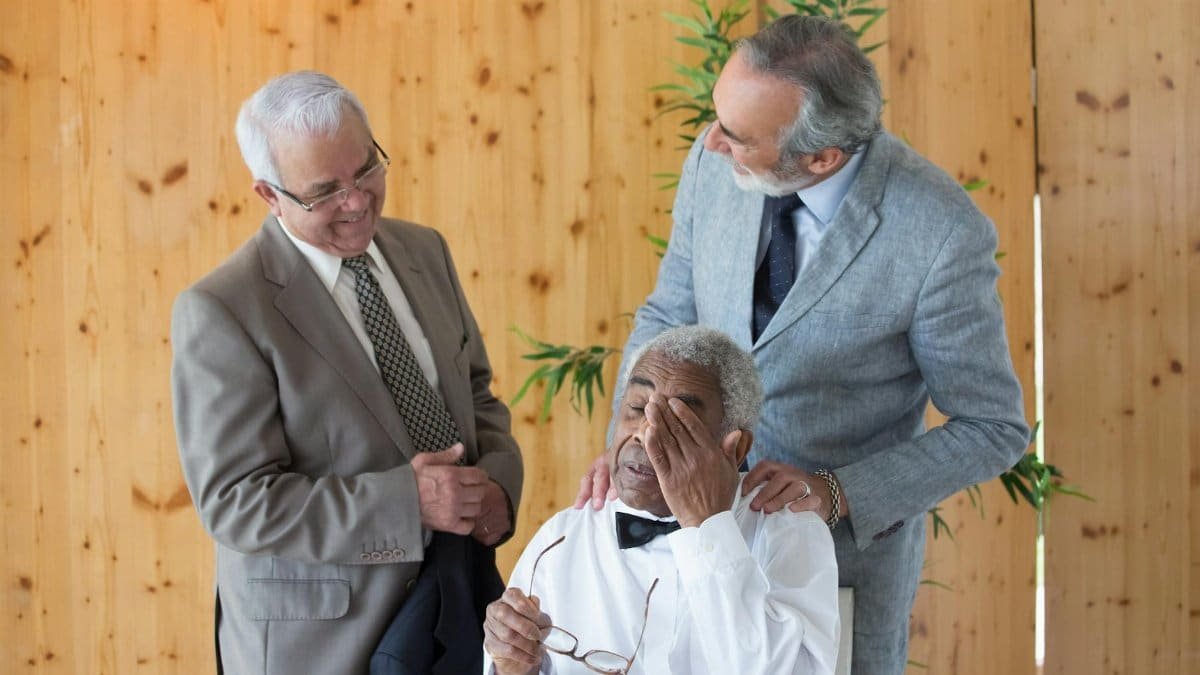
Emotional sobriety goes beyond abstaining from substances; it’s about managing feelings without letting them spiral into chaos. Coined by figures in the recovery world, like Bill Wilson of Alcoholics Anonymous, it emphasizes emotional maturity—handling anger, fear, or joy without extremes. In St. Louis, this concept is evolving into a broader wellness strategy, especially as local clinics integrate it with stress relief techniques.
Consider a typical workshop at a community center in the city’s north side. Participants gather in a circle, sharing how unchecked emotions fuel burnout. One attendee, a teacher juggling remote work and family, describes it as “learning to surf the waves instead of drowning in them.” This isn’t abstract philosophy; it’s grounded in practices like mindfulness journaling or cognitive reframing, drawn from therapies proven effective in studies.
Research backs this up. A study from the National Institutes of Health highlights how emotional regulation reduces cortisol levels, the hormone tied to stress. Yet, it’s not one-size-fits-all. Some find it through yoga, others via talk therapy, revealing the term’s flexibility in modern contexts.
The Local Push: St. Louis’s Wellness Landscape

St. Louis has long grappled with health disparities, from industrial legacies to recent economic strains. Now, emotional sobriety is emerging as a focal point in the city’s wellness efforts. Organizations like the St. Louis County Health Department are piloting programs that blend sobriety principles with community outreach, targeting neighborhoods hit hard by stress.
Picture the bustling scenes at Forest Park, where free sessions combine breathing exercises with discussions on emotional balance. These aren’t isolated events; they’re part of a 2025 initiative funded by state grants, aiming to reach 10,000 residents. The goal? To normalize conversations about mental health in a city where stigma still lingers.
Experts note a shift. “We’re seeing emotional sobriety as a bridge between addiction recovery and general well-being,” says a local psychologist involved in the programs. This integration reflects national trends, where cities like St. Louis adapt evidence-based models to local needs, fostering resilience in the face of daily pressures.
Linking Emotional Sobriety to Stress Relief

Stress relief isn’t just about spa days; it’s deeply intertwined with emotional sobriety. When emotions run unchecked, stress amplifies, leading to physical tolls like insomnia or hypertension. In St. Louis, wellness advocates are highlighting how sobriety tools—such as pausing before reacting—directly combat this cycle.
Take the example of a downtown office worker who joined a stress management group. Overwhelmed by deadlines, she learned to identify emotional triggers, replacing knee-jerk responses with deliberate calm. “It was like turning down the volume on my inner chaos,” she shared anonymously in an online reflection, echoing sentiments from many navigating similar strains.
Data supports the connection. A report from the Centers for Disease Control and Prevention outlines how emotional regulation techniques lower stress markers, with participants reporting 25% better sleep after consistent practice. In St. Louis, this translates to practical relief, making emotional sobriety a frontline defense against burnout.
Community Programs Taking Root

Across St. Louis, grassroots programs are sprouting, embedding emotional sobriety into everyday life. From church basements in Ferguson to virtual meetups in Clayton, these initiatives offer accessible entry points. One standout is the Wellness Collective, a nonprofit that hosts weekly circles focused on stress relief through shared stories and guided meditations.
Participants often arrive skeptical, but leave transformed. A retiree recounted how the group helped him process grief without isolation, turning emotional turmoil into manageable waves. These programs draw on models from national frameworks, adapted locally to address issues like racial inequities that heighten stress.
Funding comes from partnerships with entities like the United Way, ensuring sustainability. As 2025 unfolds, expansions plan to include school-based versions, equipping younger generations with tools for emotional steadiness early on.
Challenges in Embracing Emotional Sobriety

Not everything is smooth sailing. Adopting emotional sobriety in St. Louis faces hurdles, from cultural resistance to resource gaps. In some communities, the term evokes addiction stereotypes, deterring those who could benefit from its stress-relief aspects.
A health worker in the city’s south side observes the tension: “People think it’s only for recovery, not realizing it’s about everyday emotional health.” Access is another issue; rural outskirts lack the urban programs, leaving gaps in wellness equity.
Yet, these challenges spark innovation. Advocates are reframing the narrative, using social media campaigns to broaden appeal. A study by Pew Research Center shows that while barriers persist, awareness is growing, with 60% of Americans now open to mental health tools—a trend St. Louis is leveraging to push forward.
Personal Transformations and Real-Life Impacts

Stories bring the concept alive. In St. Louis, individuals are finding profound changes through emotional sobriety. A single parent in the Central West End, battling anxiety from financial woes, discovered relief in a local support group. She started small: daily check-ins on her feelings, gradually building a buffer against stress.
“It’s not magic,” she explained in a shared account. “But it gave me back control.” Such narratives highlight the ripple effects—better relationships, improved work performance, even physical health gains.
These transformations align with broader data. Research from Harvard Medical School indicates that emotional regulation correlates with lower rates of depression. In St. Louis, they’re not just statistics; they’re lived realities, underscoring why wellness efforts are prioritizing this approach.
Expert Voices on the Horizon

What do specialists say? Therapists and public health officials in St. Louis emphasize emotional sobriety’s role in preventive care. Dr. Elena Ramirez, a clinician at Washington University, points out its adaptability: “In a high-stress environment like ours, it’s essential for building long-term resilience.”
Her insights draw from clinical trials showing reduced relapse rates in recovery programs that include emotional tools. Nationally, the National Institute of Mental Health echoes this, linking emotional sobriety to better outcomes in stress management.
As 2025 approaches, experts predict wider integration, perhaps in workplace wellness or telehealth, making it a staple in St. Louis’s health toolkit.
The Broader Public Health Implications
Emotional sobriety isn’t isolated; it’s reshaping public health in St. Louis. By addressing stress at its emotional roots, it could ease burdens on hospitals and clinics overloaded with anxiety-related visits.
Consider the economic angle: Chronic stress costs Missouri billions annually in lost productivity, per state reports. Integrating sobriety principles into wellness might mitigate that, promoting a healthier populace.
A comprehensive review by the American Psychological Association supports this, noting how emotional skills enhance community well-being. In St. Louis, this means a shift toward proactive, rather than reactive, health strategies.
Getting Started: Practical Steps for Residents

Ready to try? St. Louis offers entry points. Begin with self-assessment: Track emotional patterns in a journal, noting stress triggers. Local apps and resources, like those from the city’s health department, provide guided exercises.
Join a group—many are free and welcoming. Practice techniques like deep breathing during commutes, turning mundane moments into stress-relief opportunities.
Remember, progress is gradual. As one participant noted, “It’s about consistency, not perfection.” With emotional sobriety, St. Louis wellness, stress relief becomes an achievable triad for anyone.
Looking Ahead: Sustaining the Momentum
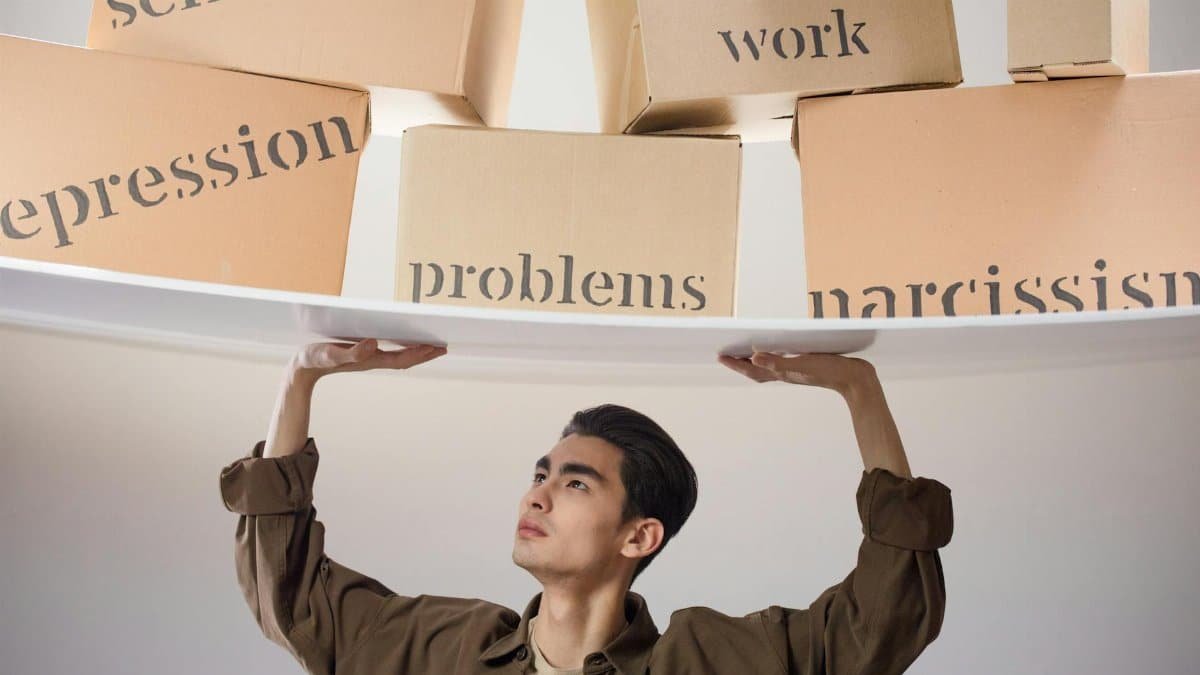
As St. Louis advances these efforts, sustainability is key. Collaborations between nonprofits, government, and businesses will determine long-term success. In 2025, expect scaled-up programs, perhaps with metrics to track community impact.
The potential is vast: A city where emotional sobriety fosters collective calm, reducing stress’s grip. It’s a vision grounded in action, promising a more balanced future for all.