

New data shows 40% of Americans are experiencing eco-grief amid escalating climate crises, according to a recent survey by the American Psychological Association. This emotional toll isn’t just mental—it’s physical too. Enter mind-body healing, a practice blending meditation, yoga, and mindfulness to bridge the gap between emotional pain and physical well-being. As wildfires rage and oceans rise, more people are turning to these methods for spiritual solace. But does it really work? Experts say yes, offering tools to process grief and foster resilience in an uncertain world.
What Is Eco-Grief Exactly?

Eco-grief hits hard when you witness the planet’s decline. It’s that sinking feeling from melting ice caps or dying coral reefs. Unlike personal loss, this grief feels endless because the crisis keeps unfolding. Psychologists define it as anxiety, sadness, or anger over environmental destruction. In the U.S., with 2025 bringing more extreme weather, millions report sleep issues and stress from climate news. Recognizing it is the first step toward healing.
The Spiritual Side of Environmental Pain

Spirituality often steps in where science falls short. For many, eco-grief stirs questions about humanity’s place in the universe. Practices like nature-based rituals or prayer circles help reconnect with the earth. This isn’t fluffy stuff—it’s grounding. A study from Yale University highlights how spiritual engagement reduces climate anxiety. By viewing the planet as sacred, people find purpose amid despair.
How Mind-Body Healing Fits In

Mind-body healing integrates thoughts, emotions, and physical sensations to promote wholeness. Techniques like deep breathing or tai chi calm the nervous system, easing grief’s grip. In eco-grief contexts, it helps process overwhelming feelings without denial. Therapists note that suppressing emotions leads to burnout, but mindful practices build emotional stamina. It’s about tuning into your body’s signals while honoring the earth’s wounds.
Practical Techniques for Daily Coping

Start simple: Try a 10-minute meditation focusing on gratitude for nature. Visualize healing energy flowing to damaged ecosystems. Yoga poses mimicking trees or waves strengthen that spiritual bond. Journaling about eco-fears can release pent-up tension. Apps and online communities make these accessible. One user shared, “It turned my helplessness into action.” Consistency matters—aim for daily rituals to combat chronic stress.
The Science Backing Spiritual Coping

Don’t dismiss it as woo-woo. Research supports mind-body healing’s benefits. A study published in the Journal of the American Medical Association found mindfulness reduces anxiety by 30% in stressed populations. For eco-grief, similar effects apply. Neuroscientists explain how these practices rewire the brain, boosting resilience. Check the National Institutes of Health for ongoing research on holistic health approaches.
Challenges in Embracing These Methods

Not everyone buys into spiritual coping. Skeptics see it as avoidance, not action. Time constraints in busy lives hinder consistent practice. Cultural barriers exist too—some view spirituality as separate from environmental activism. Yet, experts argue integration is key. Overcoming doubt requires starting small and tracking personal wins, like improved mood after a session.
Real Stories from Those Who’ve Tried

Take Lisa M., a California teacher hit hard by wildfires. She turned to mind-body healing through guided imagery, picturing renewed forests. “It gave me peace,” she says. Similarly, a New York activist used breathwork to manage protest burnout. These anecdotes, echoed in forums, show spiritual tools empower individuals. They’re not cures, but they provide vital emotional armor.
Integrating Activism with Inner Healing

Spiritual coping doesn’t mean ignoring problems. Pair it with action: Join cleanups while practicing mindfulness. This dual approach prevents overwhelm. Groups like the Sierra Club incorporate wellness sessions into advocacy. In 2025, with policy shifts on climate, personal healing supports sustained engagement. It’s about balancing inner peace with outer change.
Expert Tips for Getting Started

Consult pros first. Therapists specializing in eco-psychology offer tailored advice. Read books like “Active Hope” for frameworks. Attend workshops—many are virtual now. Track progress in a journal. Remember, it’s okay to feel vulnerable; that’s part of the process. For credible insights, visit the American Psychological Association site on climate mental health.
Why This Matters Now More Than Ever
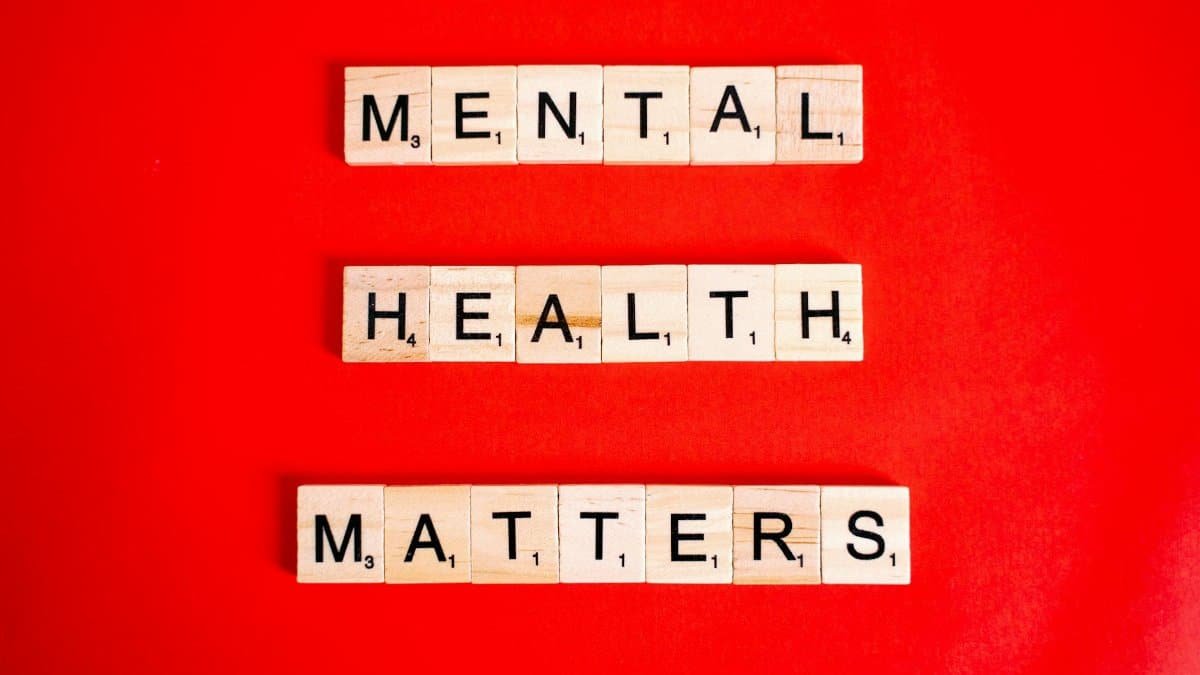
As 2025 unfolds with rising sea levels and policy debates, eco-grief will intensify. Spiritual coping via mind-body healing offers a lifeline, fostering community and hope. It’s not just personal—it’s collective healing for a wounded world. By addressing the spirit, we build strength to fight on. Ignore it, and the emotional toll could sideline the very people needed for change.