
When Lisa Ramirez turned 54 she noticed a troubling pattern. The demands of her job in marketing left her drained and wrestling with waves of anxiety coupled with digestive woes that disrupted her days. Visits to specialists led to suggestions that felt incomplete. It was a casual conversation with a colleague that introduced her to fermented foods. This shift opened her eyes to the powerful interplay between diet and emotional health. Today research on the fermented foods gut mood connection is offering hope to countless others seeking natural paths to balance.
Across the country middle aged adults are discovering that what happens in the digestive tract can profoundly shape mental outlook and overall vitality. This is not just anecdotal. A growing body of evidence points to tangible benefits from regular consumption of items like yogurt kefir sauerkraut and kimchi. The shift represents more than a dietary trend. It reflects a deeper recognition that our bodies function as integrated systems where gut health and emotional equilibrium constantly influence each other.
Rediscovering Time Honored Traditions

Fermentation stands among the oldest methods of preserving food known to humanity. Long before refrigeration communities around the globe relied on this natural process to extend the shelf life of vegetables milk and grains. In doing so they not only prevented spoilage but also boosted nutritional content through the action of beneficial bacteria. Korean kimchi German sauerkraut Indian yogurt and Japanese miso all trace their origins to these ancestral practices. These foods were once everyday staples yet modern eating habits heavy with processed items have largely pushed them aside.
Now a revival is taking place. As public interest in gut health expands consumers are returning to these traditional foods with fresh appreciation. Their distinctive tangy flavors deliver far more than taste. They supply live cultures capable of supporting the intricate ecosystem residing within the intestines. For middle aged individuals facing slower metabolism and heightened stress this return to ancient methods feels both practical and profound.
The Science of Microbial Diversity

Recent investigations have highlighted the critical importance of a rich and varied microbiome. One notable study conducted by researchers at Stanford University found that participants who ate a diverse array of fermented foods experienced marked increases in microbial diversity compared with those who simply increased fiber consumption. This greater diversity correlated with reduced markers of inflammation and stronger immune responses. The full study is available for review here.
Such outcomes matter because limited microbial variety has been associated with numerous health difficulties including persistent low mood and cognitive fog. A robust community of gut organisms appears better equipped to regulate inflammation and support the production of compounds that influence brain chemistry. These findings have prompted renewed scientific focus on dietary strategies that were once dismissed as folk remedies.
Connecting the Gut Brain Highway

The gut brain axis functions as a constant communication channel using nerves hormones and chemical messengers. Signals travel in both directions shaping everything from digestion speed to emotional regulation. Remarkably about 90 percent of the bodys serotonin a neurotransmitter central to mood stability originates in the gut rather than the brain. When the microbial community thrives it tends to send favorable signals upward that promote calmness and focus.
An imbalanced microbiome on the other hand can generate compounds that heighten feelings of unease or mental fatigue. Fermented foods introduce probiotics and other bioactive elements that help restore equilibrium. This biological partnership helps explain why so many people report steadier moods after making these foods a consistent part of their plates. The fermented foods gut mood relationship rests on these well documented mechanisms.
Evidence From Clinical Observations

Beyond the Stanford research additional studies reinforce the pattern. A comprehensive review published in the journal Nutrients analyzed multiple human trials and found that regular consumption of fermented dairy and vegetable products often coincided with lower self reported stress improved sleep and more stable emotional states. Although researchers call for larger long term trials the collective data continues to build a compelling case.
The Washington Post examined these developments in depth profiling both laboratory scientists and ordinary people who have woven fermented foods into daily life. Their reporting illustrates how relatively small adjustments can produce noticeable improvements in both physical comfort and mental outlook. The complete article is available here.
Everyday Foods That Deliver Benefits

Certain fermented items stand out for their potency and accessibility. Plain yogurt with live active cultures kefir fresh unpasteurized sauerkraut and traditionally prepared kimchi tend to offer the highest levels of viable organisms. Shoppers should seek products clearly labeled as containing live cultures and avoid those loaded with excess sweeteners that can undermine microbial benefits.
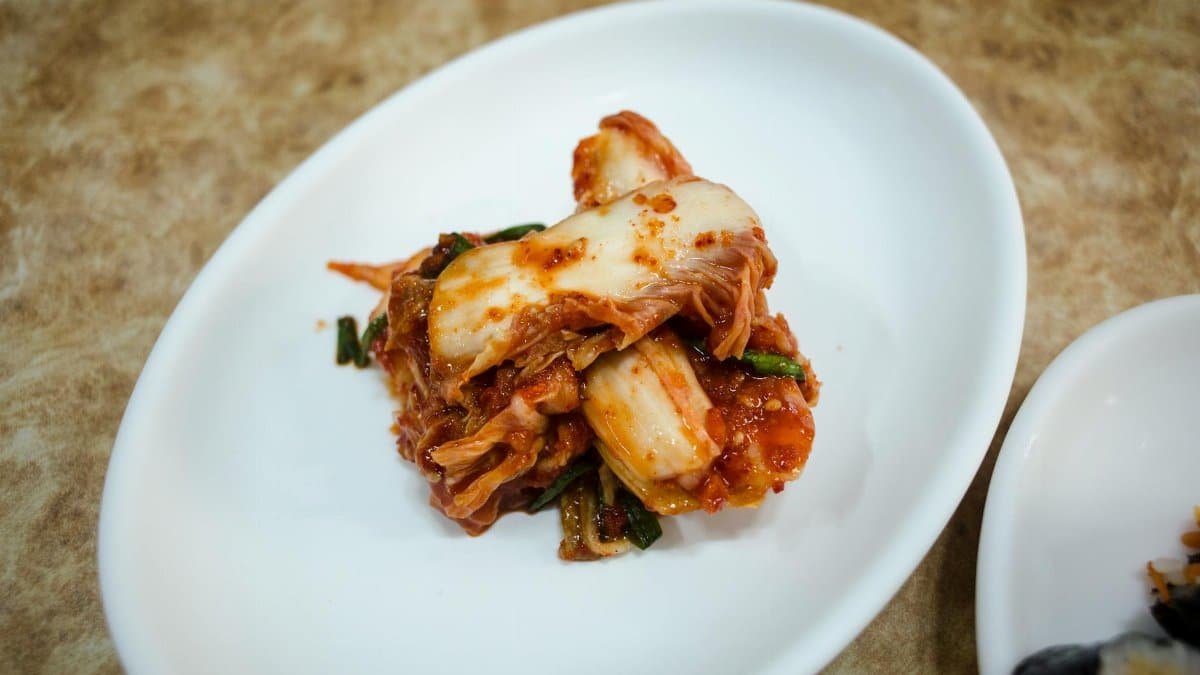
Kimchi provides a spicy mix of vegetables and seasonings that supplies probiotics alongside generous amounts of vitamins and antioxidants. Kefir offers a tangy drinkable option ideal for those who prefer milder flavors or want to blend it into smoothies. Miso paste can be stirred into warm broths while tempeh delivers a hearty protein source. Starting with modest portions gives the digestive system time to adapt comfortably.
Personal Accounts of Change

Lisa Ramirez is far from alone. Mark Thompson a 58 year old engineer based in Michigan described noticeable relief from afternoon energy slumps and mood dips after six weeks of consistent fermented food consumption. He began each morning with kefir blended into fruit smoothies and later incorporated small servings of kimchi into lunches. The improvements he recalled arrived gradually then became reliably steady.
Similar accounts appear regularly in wellness forums and support groups focused on holistic approaches. A woman in her early sixties from Colorado reported that daily sauerkraut helped ease both bloating and the mild depression she had experienced since menopause. While individual outcomes differ the frequency of these positive experiences suggests the underlying biology is genuinely at work for many.
The Spiritual Dimension of Nourishment

Within many spiritual traditions the gut has long been regarded as far more than a digestive organ. It is often described as a seat of intuition emotional intelligence and even inner wisdom. Practices such as meditation yoga and contemplative prayer frequently encourage mindful attention to bodily signals including those arising from the abdomen. Fermented foods fit naturally into this framework because they foster awareness of how daily choices affect inner states of being.
Some teachers view the microbiome as a living mirror of our relationship with nature and its cycles of growth and transformation. Fermentation itself depends on cooperation among living organisms working in harmony a concept that parallels spiritual teachings on unity and balance. This lens adds depth to the fermented foods gut mood conversation allowing it to resonate with readers who seek integration between physical vitality and meaningful existence. The practice becomes less about optimization and more about respectful participation in natural processes.
Building a Sustainable Routine

Adding fermented foods to daily life need not involve drastic change. Small consistent steps often prove most effective. A spoonful of sauerkraut alongside eggs at breakfast or a modest glass of kefir with lunch can introduce helpful microbes without causing discomfort. Rotating among several types ensures exposure to varied bacterial strains that support different aspects of health.
Newcomers might begin with familiar options such as plain yogurt before progressing to stronger flavors like kimchi or kombucha. Using miso to flavor soups and sauces offers yet another gentle entry point. Over weeks these practices tend to become effortless habits that support both digestive regularity and emotional steadiness. Pairing the foods with plenty of vegetables and adequate hydration accelerates positive adaptation.
Addressing Common Concerns

Most people tolerate fermented foods well yet some experience temporary gas or bloating during the adjustment period as microbial populations shift. Those with weakened immune systems or serious gastrointestinal conditions should consult a physician before making substantial dietary changes. Selecting high quality products from trusted sources further reduces any risk.
Paying close attention to personal response remains the best guide. Beginning with tiny servings and increasing slowly allows the body to adapt at its own pace. For the vast majority any initial unease passes within days or weeks leaving greater comfort and resilience in its place. This cautious approach respects individual differences while still capturing the advantages documented in research.
Expert Insights and Future Directions

Nutritionists and microbiome researchers increasingly affirm the value of these traditional foods. Doctor Elena Vasquez a specialist at a prominent East Coast medical center observes that science is only beginning to map the full complexity of these interactions. She typically advises patients to aim for several servings weekly within a varied plant rich diet to support overall well being.
Looking forward investigators anticipate increasingly personalized guidance based on individual gut profiles obtained through advanced testing. In the meantime the evidence already in hand provides clear actionable steps for those ready to experiment. The simplicity of adding fermented foods makes the approach especially attractive to busy middle aged adults who desire meaningful change without complexity.
Why This Matters Now

At a time of heightened awareness around mental health and growing disillusionment with solely pharmaceutical answers many seek foundational solutions rooted in daily life. The fermented foods gut mood discussion aligns seamlessly with this cultural shift. It places agency back in the hands of individuals through choices that are both accessible and rooted in centuries of human experience.
By nurturing a healthier internal ecosystem people often discover improvements that extend beyond digestion into steadier moods sharper focus and greater overall vitality. For those navigating career pressures family responsibilities and the physical changes of mid life this dual benefit feels particularly relevant. The quiet revolution taking place in kitchens across the country suggests that sometimes the most powerful medicine has been on our shelves all along.