
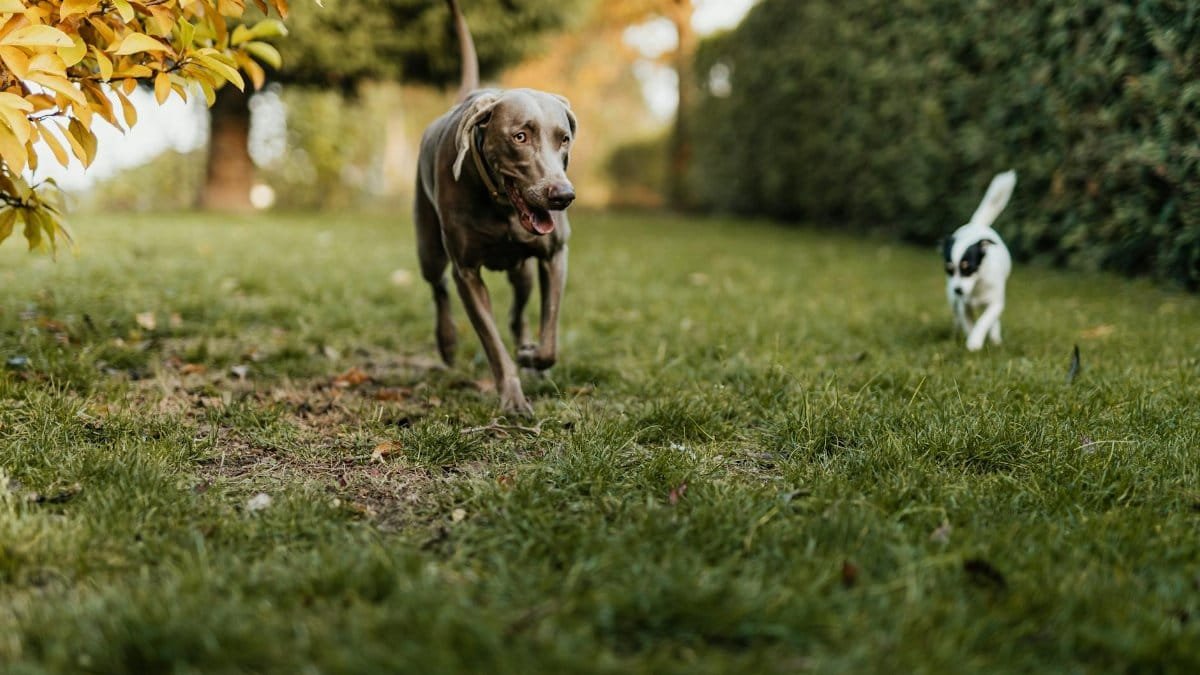
Dogs wag their tails, but it’s not always a sign of happiness. Simply put, dog tail wagging meaning varies widely depending on context, speed, and position, and it matters because misreading these signals can lead to misunderstandings between pets and owners. A slow wag might signal uncertainty, while a stiff, high wag could mean alertness or even aggression. With millions of dog owners in the U.S. often assuming a wagging tail equals joy, it’s time to decode what our furry friends are really saying in 2025.
What Does a Slow Wag Mean?
A slow, tentative wag often indicates a dog is unsure or cautious. It’s not outright fear, but rather a sign they’re assessing the situation. This could happen when meeting a new person or encountering an unfamiliar environment. Owners should approach with care, giving the dog space to feel secure. Recognizing this subtle cue can prevent stress for both pet and human.
Is a Fast Wag Always Joy?
Not necessarily. A rapid wag can mean excitement, but context is key. If the tail is wagging quickly while the body is tense or the ears are back, it might signal anxiety or overstimulation. A study from the University of Veterinary Medicine Vienna highlights how tail speed and body language together paint the full picture ( University of Veterinary Medicine Vienna ). Watch the whole dog, not just the tail.
What About a High Tail Position?
A tail held high and wagging often shows confidence or alertness. It can mean a dog feels in charge or is on guard. This isn’t always negative, but if paired with a stiff posture, it might hint at aggression. Owners should note the setting—Is the dog protecting its territory? Understanding this aspect of dog tail wagging meaning helps avoid potential conflicts.
Does a Low Wag Signal Fear?

A low wag, where the tail is tucked or barely moving, frequently points to submission or fear. The dog might be uncomfortable or trying to appease someone or another animal. This is common in stressful situations like vet visits. Giving reassurance without forcing interaction is often the best response here.
Can Tail Direction Matter?

Yes, research suggests the direction of a wag carries meaning. A 2013 study found dogs tend to wag more to the right when feeling positive emotions and to the left when uneasy ( Current Biology Study ). While subtle, this can offer insight into a dog’s emotional state. It’s a small detail, but one worth noting for attentive owners.
How to Read the Full Picture?

Tail wagging is just one piece of canine communication. Ears, eyes, and overall posture fill in the gaps. A wagging tail with a relaxed body likely means happiness, while tension elsewhere could signal something’s off. Taking time to learn these cues builds a stronger bond with your pet and prevents missteps in social settings like dog parks.
Why Misreading Wags Can Be Risky

Assuming every wag means a dog is friendly can lead to trouble. A misinterpreted signal might result in a bite or stress for the animal. With dog ownership on the rise in the U.S., understanding dog tail wagging meaning is crucial for safety. It’s not just about knowing your own pet—it’s about navigating interactions with others’ dogs too.