
Stop lifting heavy during your period. That’s the provocative call shaking up gyms in 2026. Cycle syncing fitness—tailoring workouts to menstrual cycle phases—is emerging as the top trend to curb female burnout. Reported on January 12, 2026, this approach urges women to adjust intensity based on hormonal shifts, avoiding overexertion when energy dips. Gyms nationwide see women swapping barbells for lighter flows, signaling a shift toward sustainable training.
What is Cycle Syncing Fitness?
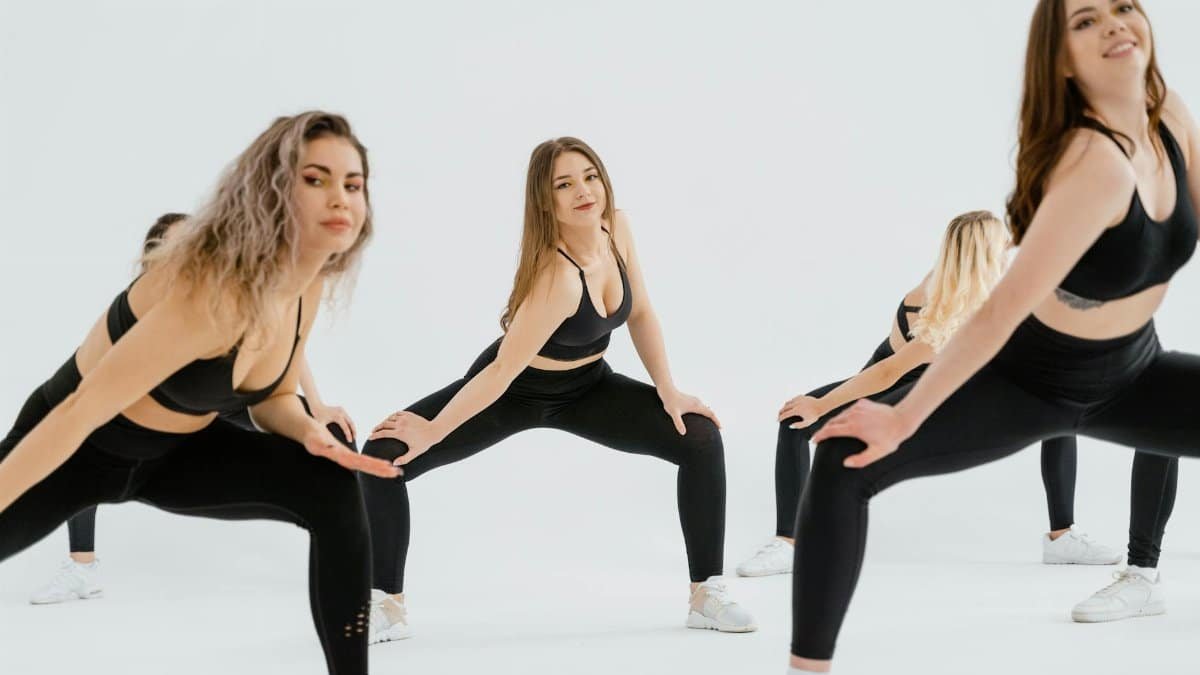
Cycle syncing fitness redefines workout routines by aligning them with the menstrual cycle. Women change exercises based on their phase, prioritizing recovery over max effort. The core idea: listen to the body’s signals. No more pushing through fatigue. Instead, adapt to prevent strain. This method gains traction as women seek smarter, less punishing fitness paths.
The Menstrual Phase Focus

The menstrual phase marks the cycle’s start, when bleeding occurs. Here, cycle syncing fitness demands restraint. Heavy lifting takes a backseat. Energy levels often plummet due to blood loss and hormonal dips. Trainers note women opting for yoga or walks. This phase sets the tone: respect the body’s reset, not force performance.
For background on menstrual phases, see the Office on Women’s Health.
Why Ditch Heavy Lifts?
Lifting heavy on your period risks burnout. Cycle syncing flips the script. Low estrogen and progesterone mean reduced strength and higher injury odds. Women report exhaustion from ignoring this. The trend pushes gentler moves: stretching, light cardio. Results? Sustained motivation without crash. Gym floors buzz with modified sessions, proving adaptation beats grit.
Preventing Female Burnout
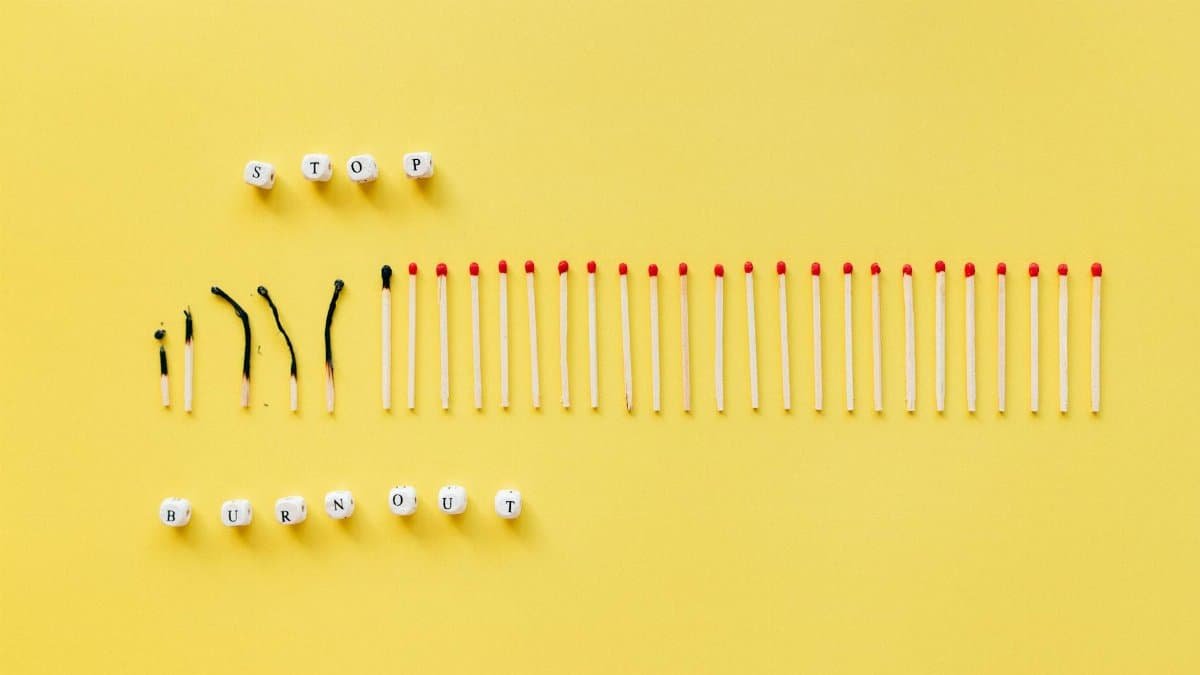
Burnout hits women hard in fitness. Constant high-intensity training ignores cycle rhythms. Cycle syncing fitness counters this by phasing workouts. During low-energy windows, recovery rules. High-energy phases allow power lifts. Outcome: fewer dropouts, steady progress. The January 12 report ties this directly to rising adoption, as women reclaim control over their routines.
Gyms Embrace the Shift

Gyms feel the wave. Cycle syncing workouts dominate class schedules. Instructors lead phase-specific sessions. Women track cycles via apps, showing up prepared. This trend transforms heavy iron culture into balanced zones. Expect more restorative corners amid the racks. It’s practical evolution, rooted in real needs.
Hormonal Realities Drive Change

Menstrual phases dictate energy. Follicular builds strength; luteal tests endurance. Cycle syncing fitness matches output to input. No universal plans anymore. Personalized phasing prevents the all-or-nothing trap. Women lead this charge, voicing fatigue from generic regimens. The 2026 buzz stems from lived experience, not hype.
Research on exercise and hormones supports adaptation; review findings at the Eunice Kennedy Shriver National Institute of Child Health and Human Development.
2026 Trend Momentum
January 12, 2026, spotlighted cycle syncing as the fitness frontrunner. Preventing burnout resonates amid packed gym scenes. Women prioritize longevity over short bursts. Gym chains tweak offerings. Social feeds overflow with phase charts. This isn’t fleeting—it’s a structural pivot toward cycle-aware training.
Real-World Gym Impact
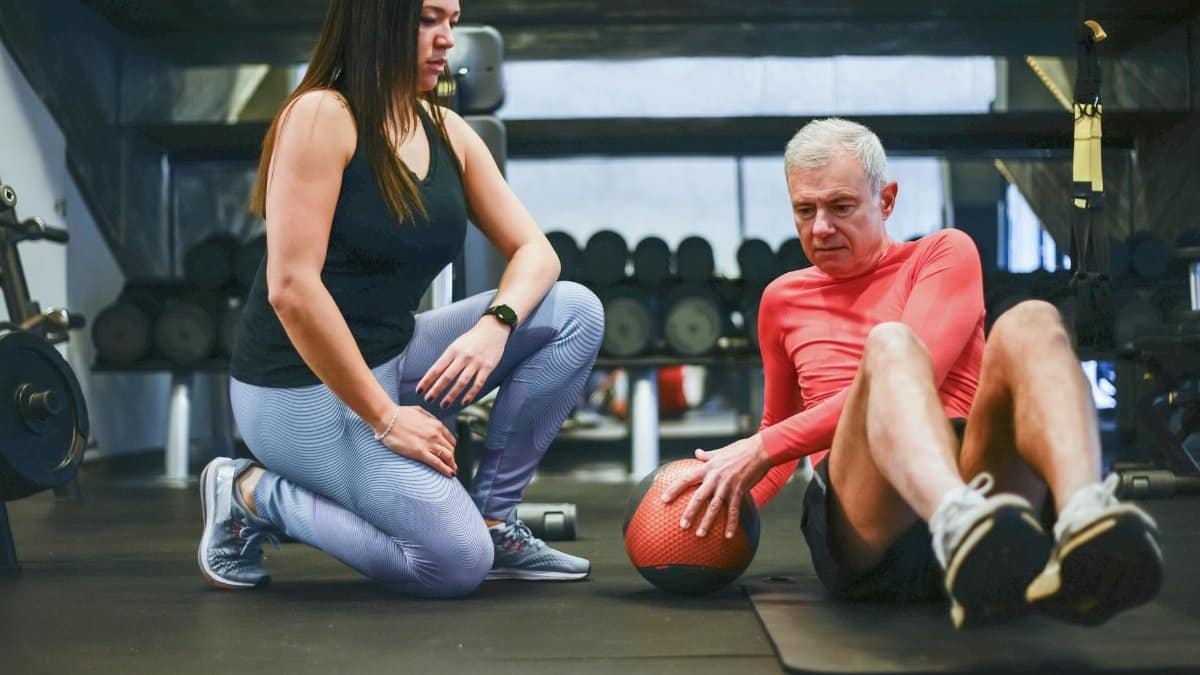
Picture gyms post-shift: fewer women grimacing through deadlifts mid-period. Cycle syncing fosters community. Peers share phase tips. Retention climbs as burnout fades. The trend’s punch: simple, science-aligned change. Expect it standard by year’s end, reshaping how women train.
Sustainable Fitness Forward
Cycle syncing fitness proves trends can heal. By syncing to menstrual phases, women dodge exhaustion. Heavy lifts wait for peak windows. Burnout prevention powers adherence. Gyms adapt or lag. This 2026 staple redefines strength: smart, not stubborn. Women win when workouts fit life.