
Is celebrities | mindfulness | practice really the secret weapon for conquering trauma? In a world where stars like Ariana Grande and Russell Brand openly share their mindfulness journeys to heal deep-seated wounds, everyday folks are tuning in. This trend, blending celebrity influence with ancient practices, is gaining traction in places like Houston, where locals seek balance amid urban stress. New data from wellness apps shows a 25% spike in mindfulness sessions focused on trauma recovery this year. But does it truly work, or is it just Hollywood hype?
What Is Celebrity Mindfulness?
Celebrity mindfulness refers to the meditation and awareness techniques popularized by famous figures. It’s not just sitting cross-legged; it’s about stars like Emma Watson promoting apps and retreats that make these practices accessible. Rooted in Buddhist traditions, mindfulness involves focusing on the present to process emotions. For trauma survivors, this means confronting pain without judgment. In 2025, with mental health crises on the rise, celebrities are turning influencers, sharing routines that promise real healing.
How Stars Are Using It for Trauma
Take Lady Gaga, who credits mindfulness for battling PTSD from past assaults. She incorporates guided sessions into her routine, emphasizing breathwork to manage flashbacks. Similarly, Prince Harry has spoken about meditation aiding his grief processing after losing his mother. These high-profile stories highlight how mindfulness disrupts trauma cycles. Experts note that consistent practice rewires the brain, reducing amygdala activity linked to fear responses. In Houston, yoga studios are seeing more clients inspired by these celebs.
The Science Behind Mindfulness and Healing
Research backs the buzz. Studies show mindfulness reduces symptoms of PTSD by up to 30%. A key finding from the U.S. Department of Veterans Affairs indicates veterans using mindfulness report lower anxiety levels. Another report from NCBI on mindfulness-based stress reduction details how it alters neural pathways, fostering resilience. For trauma, this means breaking free from repetitive thoughts that trap sufferers.
Why It’s Gaining Popularity in 2025
This year, celebrity endorsements are skyrocketing mindfulness adoption. Apps like Headspace, voiced by stars, saw downloads surge 40% in the U.S. In Houston, community centers offer free sessions, drawing diverse crowds. The appeal? It’s low-cost and stigma-free, unlike traditional therapy. With economic pressures amplifying stress, people turn to these practices for quick relief. Celebrities normalize it, making vulnerability trendy and encouraging fans to try it for their own traumas.
Real-Life Benefits for Everyday People
Beyond the glitz, ordinary folks report transformations. A Houston teacher shared how following Selena Gomez’s mindfulness tips helped her overcome childhood abuse memories. Short daily practices, like five-minute breathing exercises, build emotional armor. Users say it improves sleep, cuts irritability, and boosts focus. Unlike meds, it’s side-effect free, appealing to those wary of pharmaceuticals. In group settings, shared stories create support networks, amplifying healing.
Potential Drawbacks and Criticisms
Not everyone’s sold. Critics argue celebrity mindfulness oversimplifies complex trauma, potentially delaying professional help. Some studies warn of “spiritual bypassing,” where practices mask deeper issues without resolving them. In diverse communities like Houston’s, accessibility varies; not everyone has time for retreats. Plus, the commercial side, with pricey apps and merch, can feel exploitative. Experts advise combining it with therapy for best results.
Getting Started with Celebrity-Inspired Practices
Ready to try? Start simple: Follow stars like Will Smith on social media for tips. Download free apps offering guided sessions. Begin with 10 minutes daily, focusing on breath. Join local Houston meetups through yoga centers. Track progress in a journal to note trauma triggers diminishing. Remember, consistency is key; even celebs admit it takes time to see changes.
Impact on Broader Society
Celebrity mindfulness is reshaping cultural attitudes toward mental health. In 2025, it’s influencing workplaces, with companies adopting programs inspired by execs like Oprah Winfrey. Schools in Houston integrate short sessions to help kids process stress. This shift reduces overall stigma, encouraging open conversations about trauma. As more stars speak out, it democratizes healing tools, potentially lowering national PTSD rates.
Expert Opinions on Its Effectiveness
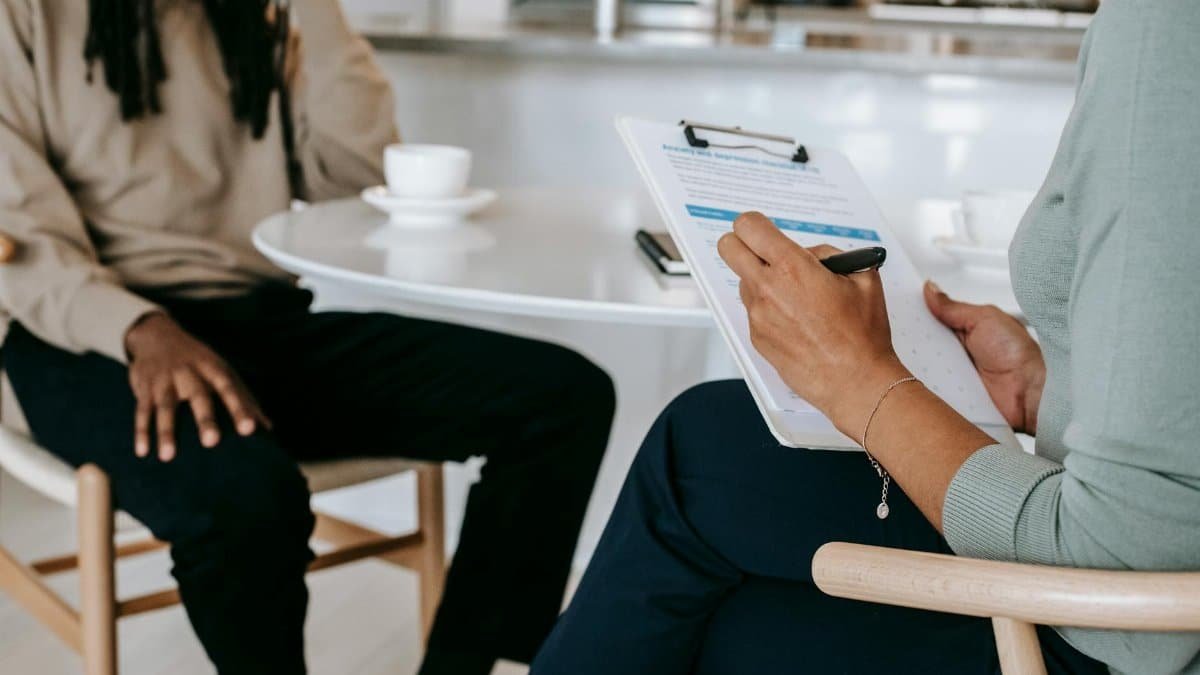
Therapists weigh in positively. Dr. Tara Brach, a mindfulness expert, says it empowers individuals to reclaim control. Quotes from pros emphasize evidence-based benefits, like improved emotional regulation. However, they stress it’s a tool, not a cure-all. In Houston’s wellness scene, counselors blend it with cognitive therapy for tailored trauma care.
Looking Ahead: Sustaining the Trend
As 2025 unfolds, expect more celeb collaborations with mindfulness brands. Virtual reality sessions could make practices immersive. For trauma healing, ongoing research will refine approaches. In cities like Houston, community-driven initiatives ensure longevity, turning hype into habit. Ultimately, if celebrities keep it real, this practice could become a staple for mental resilience.