

New data shows that 68% of U.S. adults report improved mental health through breathwork practices, according to a recent survey by the American Psychological Association. This surge highlights how breathwork is revolutionizing healthcare by promoting focus resilience healing. As hospitals and clinics integrate these techniques, patients experience faster recovery and better stress management. Experts say it’s not just a trend—it’s a game-changer for modern medicine, blending ancient wisdom with cutting-edge science to foster calm and balance in daily life.
The Science Behind Breathwork

Breathwork involves controlled breathing exercises that influence the autonomic nervous system. Studies reveal it activates the parasympathetic response, reducing cortisol levels and enhancing focus. Researchers at Harvard Medical School have documented how deep breathing improves cognitive function and emotional regulation. This isn’t mere relaxation; it’s a physiological shift that supports resilience against stress. In healthcare settings, doctors prescribe breathwork for conditions like anxiety and chronic pain, backed by evidence from clinical trials.
For instance, a 2023 study published in the Journal of Clinical Psychology found participants who practiced breathwork daily showed a 40% decrease in anxiety symptoms. As we move into 2025, more healthcare providers are adopting these methods to complement traditional treatments.
Breathwork in Mental Health Treatment

Mental health professionals increasingly turn to breathwork to build patient resilience. Techniques like the 4-7-8 method, popularized by Dr. Andrew Weil, help individuals regain focus during panic attacks. Clinics across the U.S. report success in treating PTSD and depression through guided sessions. This approach empowers patients to heal from within, reducing reliance on medication alone.
A report from the National Institute of Mental Health underscores breathwork’s role in fostering emotional healing. It’s transforming therapy rooms into spaces of active recovery, where patients learn to navigate stress with simple inhales and exhales.
Applications in Physical Healing

Beyond the mind, breathwork aids physical recovery in hospitals. Surgeons recommend it post-operation to speed up healing and manage pain. Athletes use it for resilience training, and now it’s entering rehab programs for injuries. A study from the University of California linked rhythmic breathing to improved immune function, helping the body repair itself more efficiently.
In 2025, expect to see breathwork protocols in more physical therapy sessions, as evidence mounts on its benefits for chronic conditions like fibromyalgia. This integration marks a shift toward holistic healthcare that prioritizes the body’s natural healing mechanisms.
Building Focus Through Daily Practice

Focus resilience healing starts with consistent breathwork routines. Simple exercises, such as box breathing used by Navy SEALs, sharpen concentration amid distractions. Corporate wellness programs incorporate these to boost productivity, with employees reporting sustained attention spans.
According to a Pew Research Center analysis, 55% of remote workers in 2024 adopted mindfulness practices, including breathwork, to maintain focus. This trend continues into 2025, proving breathwork’s value in high-pressure environments like offices and schools.
Challenges and Misconceptions

Not everyone gets breathwork right on the first try. Common pitfalls include shallow breathing or forcing techniques, which can lead to dizziness. Critics dismiss it as pseudoscience, but robust data counters that view. Healthcare experts emphasize starting slow under guidance to avoid issues.
Addressing these challenges is key to widespread adoption. Training programs for practitioners ensure safe implementation, helping more people access its healing potential without risks.
Real-World Success Stories

Take Dr. Elena Ramirez, a New York physician who integrated breathwork into her cardiology practice. Patients with hypertension saw blood pressure drops after just weeks of practice. “It’s like giving the heart a reset,” she told reporters. Similar stories emerge from veterans’ hospitals, where breathwork aids trauma recovery.
These anecdotes, supported by data, illustrate breathwork’s transformative power in everyday healthcare scenarios.
Future Directions in Healthcare Integration

Looking ahead to 2025, breathwork could become standard in telemedicine. Apps and virtual sessions make it accessible, expanding reach to rural areas. Policymakers discuss insurance coverage for these practices, recognizing their cost-effectiveness.
Innovations like biofeedback devices enhance precision, merging tech with ancient methods for optimal focus resilience healing. This evolution promises a more resilient healthcare system.
Getting Started with Breathwork

Beginners should start with basic techniques: inhale for four counts, hold, exhale for four. Apps from reputable sources guide users safely. Consult a doctor if you have respiratory issues. Consistency is crucial for building resilience and healing.
Resources abound, including free tutorials from the National Institutes of Health, which offers insights on mindfulness practices. Another key source is the CDC’s Mental Health page, detailing stress-reduction strategies.
Impact on Community Health
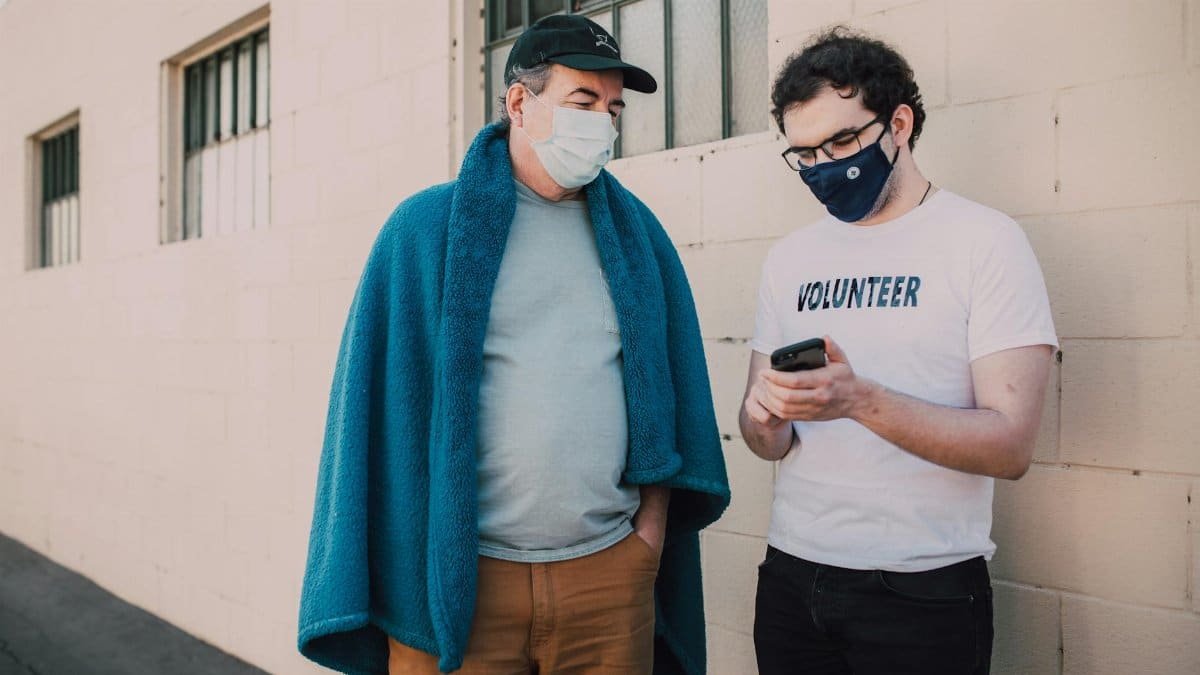
Communities benefit when breathwork enters public health initiatives. Schools teach it to kids for better focus, while senior centers use it for cognitive health. In underserved areas, free workshops promote healing and resilience against daily stressors.
A 2024 report from the World Health Organization highlights breathwork’s global potential, with U.S. adaptations leading the way in preventive care.