

Is it safe to wear Bluetooth headphones all day? A growing group of scientists is raising alarms about the bluetooth emf danger from devices lodged directly in the ear canal. Their February 10, 2026, warning spotlights long-term health risks tied to constant radiation exposure near the brain. As wireless earbuds dominate daily routines, these experts question whether the convenience outweighs potential harm. The debate intensifies amid widespread use, urging users to reconsider habits.
The Scientists’ Wake-Up Call

A coalition of researchers has issued a stark alert. They focus on Bluetooth-enabled devices like earbuds that sit deep inside the ear canal. This positioning maximizes radiation proximity to sensitive brain tissue. The February 10 announcement underscores fears of cumulative effects from prolonged wear. No longer fringe voices, these scientists represent a swelling chorus demanding scrutiny. Their message: daily all-day use could invite unseen dangers.
Bluetooth Radiation Basics

Bluetooth technology emits radiofrequency electromagnetic fields, or EMF, to connect devices wirelessly. Ear canal placement amplifies exposure. Unlike phones held at arm’s length, these gadgets beam signals millimeters from neural pathways. The summary highlights this direct contact as a key concern. Scientists note the non-ionizing nature of the radiation, yet worry about thermal and non-thermal biological impacts over time.
Why the Ear Canal Matters
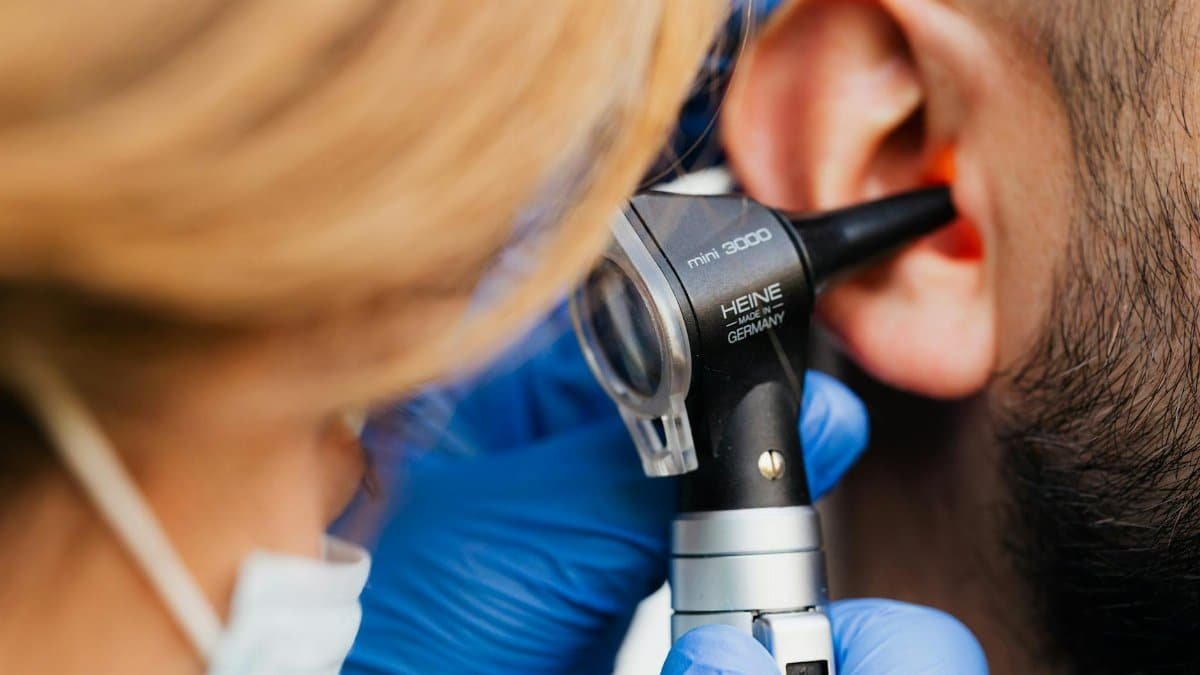
Positioning is everything. Devices pressed into the ear canal deliver radiation straight to the head’s core. This bypasses natural barriers like skin and bone. Long-term proximity raises bluetooth emf danger flags, per the experts. Brain cells absorb these fields more readily here than from distant sources. The 2026 alert ties this anatomy to heightened vulnerability during extended sessions.
Long-Term Effects Under Scrutiny

The core worry: chronic exposure. Scientists flag potential disruptions to cellular function, sleep patterns, and cognitive health. Years of all-day wear could compound risks. While short bursts seem benign, accumulation tells another story. The growing group cites biological plausibility for harm, though definitive proof lags. Their alarm pushes for precautionary steps amid rising adoption.
For context on radiofrequency fields, see the World Health Organization’s fact sheet on EMF and public health.
All-Day Wear: A Daily Gamble?

“Is it safe to wear them all day?” That’s the rallying question from February 10. Millions stream podcasts, calls, and music nonstop. Earbuds have become extensions of the self. Yet scientists warn this habit bathes the brain in steady Bluetooth EMF. Breaks matter, they argue. The bluetooth emf danger escalates with hours logged, turning convenience into a potential liability.
Growing Momentum in Science

What was once dismissed now gains traction. A “growing group” signals shifting tides. Peer-reviewed papers and conferences amplify the call. U.S. researchers join international peers in 2026 trends. Public awareness spikes as sales soar. The alert marks a pivot: from blind trust to informed caution on wireless wearables.
Implications for Headphone Users
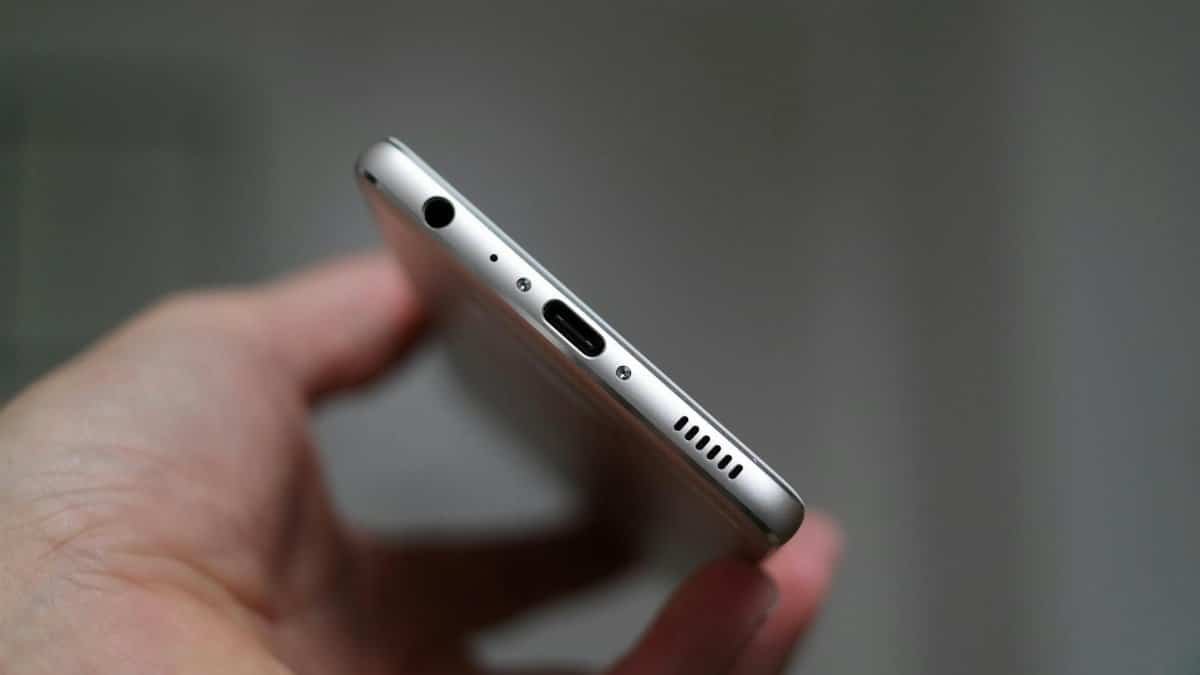
Users face a choice. Ditch the buds or dose wisely? The summary implies moderation as a hedge against long-term unknowns. Families, commuters, and professionals rethink routines. Bluetooth dominates markets, but awareness spreads. Scientists urge tracking usage and exploring alternatives like over-ear models or wired options to sidestep ear canal risks.
Related U.S. guidance appears in the FDA’s overview on radiation-emitting products.
Calls for More Research

The alarm isn’t hysteria—it’s a research gap plea. Long-term studies on ear canal Bluetooth exposure remain scarce. Scientists push for funding and rigorous trials. Until then, the precautionary principle reigns. Monitor developments, they say. In 2026, this bluetooth emf danger debate reshapes tech habits nationwide.
Practical Steps Ahead

Act now. Limit sessions. Alternate ears. Choose low-power modes. The February 10 message empowers users. Stay informed as science evolves. Headphone loyalty meets health reality. The growing scientific voices ensure the conversation endures, safeguarding against silent threats in plain earshot.