
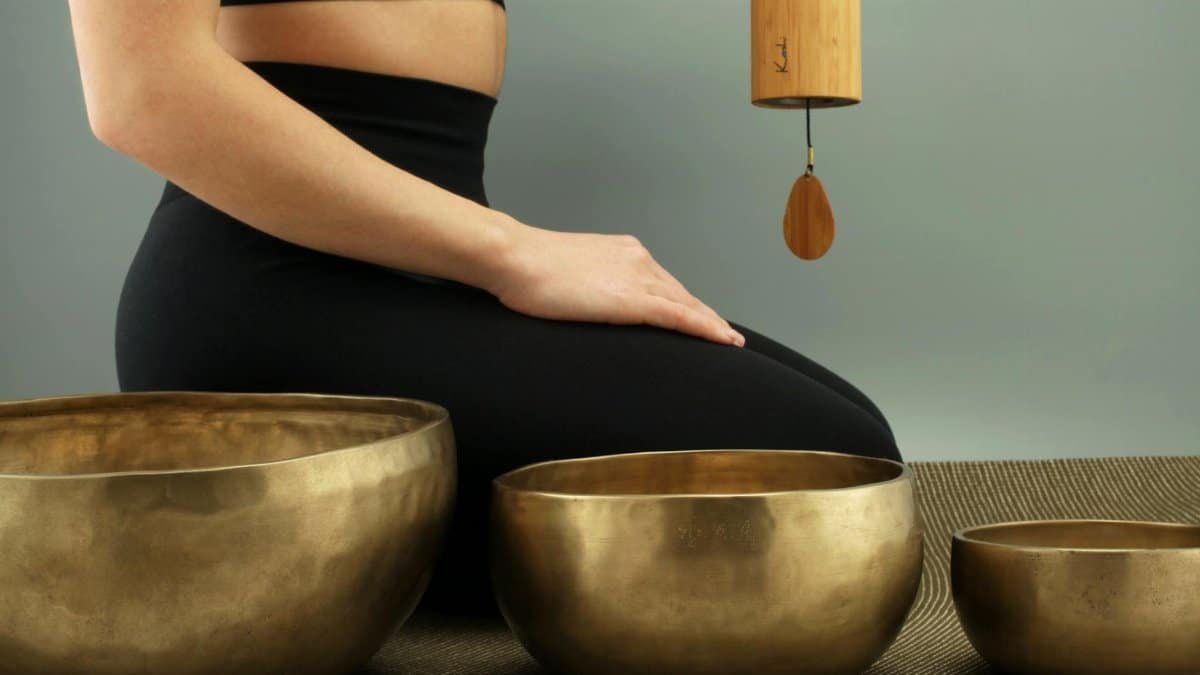
In a fast-paced world, more Americans are turning to sound healing to sharpen their focus and reduce stress. New data from a 2024 survey by the American Psychological Association shows that 28% of U.S. adults now incorporate alternative therapies like sound healing into their routines, up from 15% five years ago. This surge ties directly into focus meditation mindfulness, a practice blending sound vibrations with mindful awareness to enhance concentration. As workplaces demand more mental clarity in 2025, sound healing offers a simple, accessible tool for everyday calm and productivity.
What Is Sound Healing?
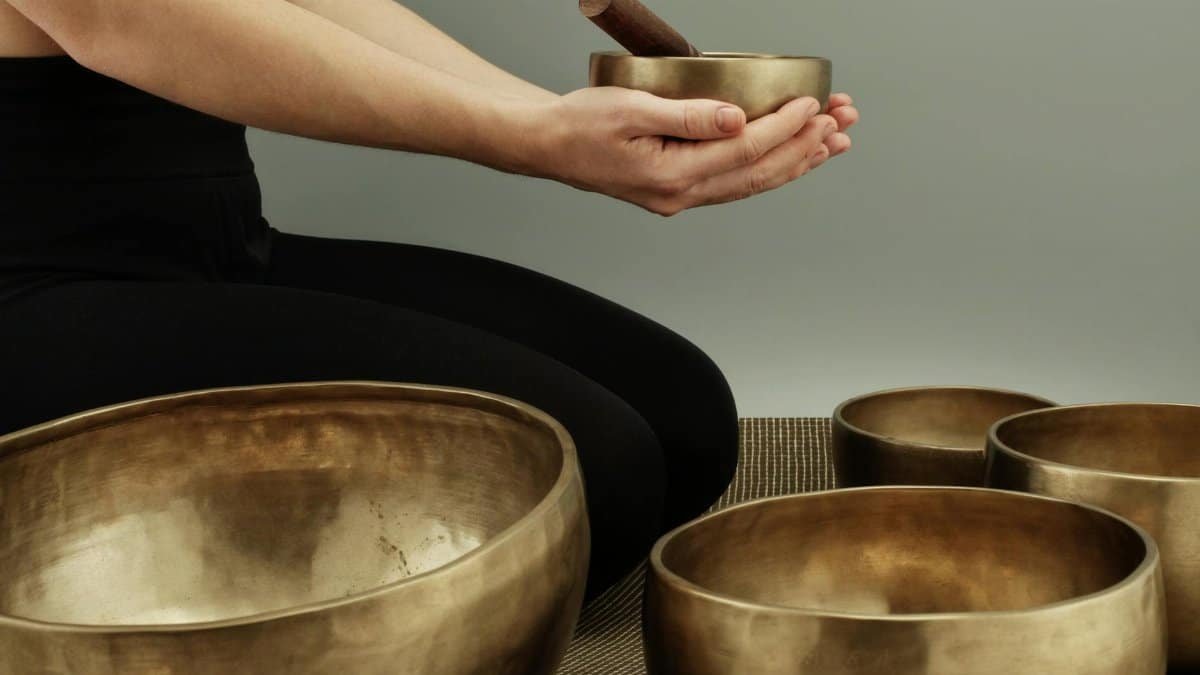
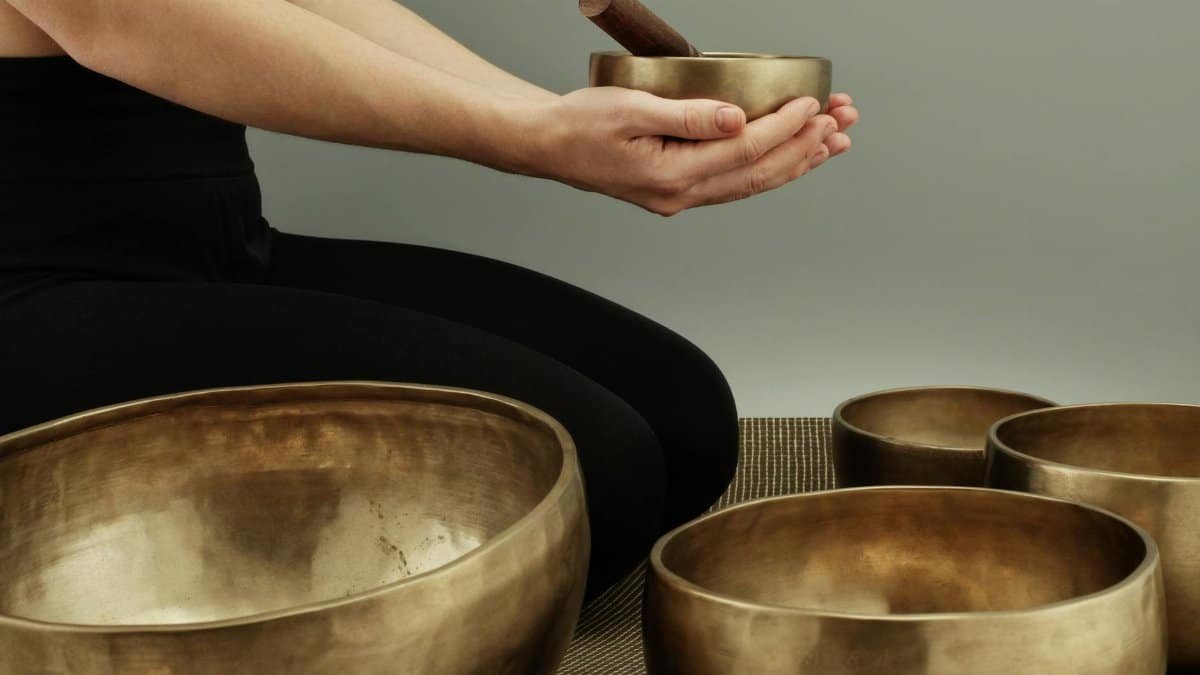
Sound healing uses instruments like singing bowls, gongs, and tuning forks to produce vibrations that promote relaxation and mental clarity. Rooted in ancient traditions, it’s gained modern traction as a complement to focus meditation mindfulness. Practitioners say the sounds help align brain waves, making it easier to stay present. In the U.S., wellness centers from New York to California report booming demand, with sessions often lasting 30 to 60 minutes.
Why Focus Matters in 2025
With remote work and digital distractions at an all-time high, Americans are battling shorter attention spans. A report from the American Psychological Association highlights how chronic stress erodes focus, affecting 40% of workers. Sound healing steps in by fostering mindfulness, helping users tune out noise and rebuild concentration. It’s not just trendy; it’s a practical response to modern life’s chaos.
How Sound Healing Boosts Mindfulness
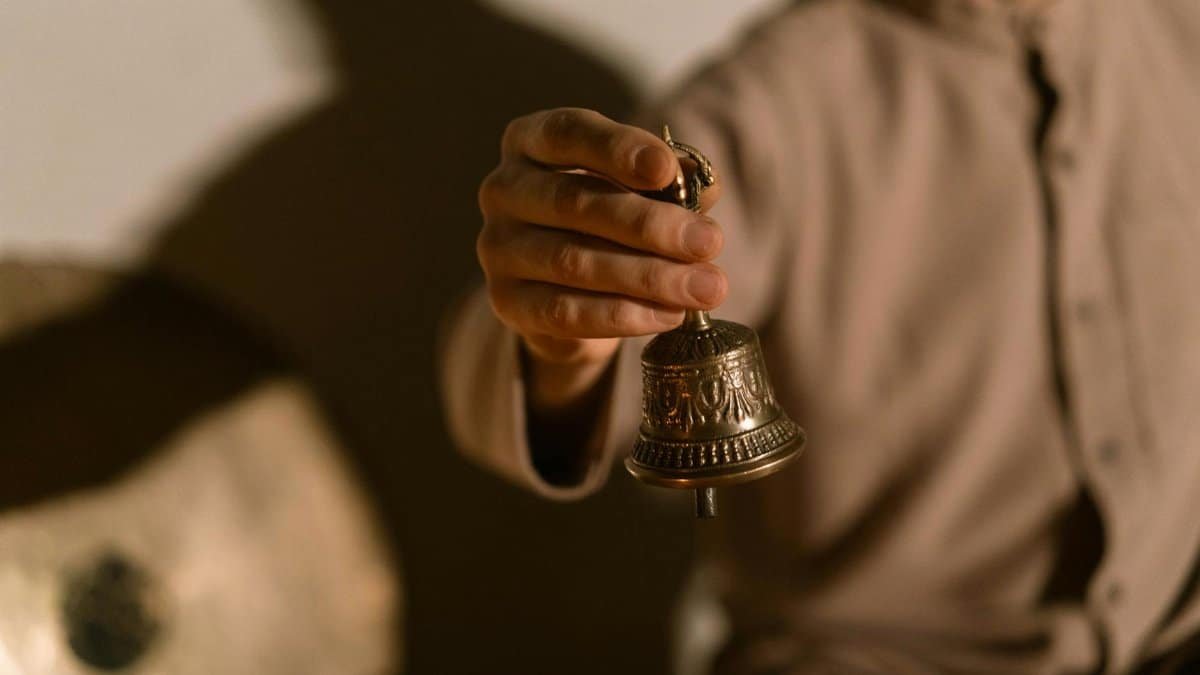
At its core, sound healing encourages deep listening, a key element of focus meditation mindfulness. The vibrations create a meditative state, reducing anxiety and improving emotional regulation. Studies, including one from Harvard Medical School, suggest that such practices lower cortisol levels by up to 25%. Users describe it as “resetting the mind,” making daily tasks feel less overwhelming. In group sessions, participants often report heightened awareness long after the sounds fade.
Real-Life Stories from Users

Take Mark Thompson, a 35-year-old tech worker in Seattle. Overwhelmed by constant emails, he tried sound healing last year and noticed sharper focus within weeks. “It’s like my brain fog lifted,” he says. Similar accounts flood online forums, with many crediting the practice for better work performance. A 2024 poll by Pew Research found 62% of young professionals seeking non-pharma ways to enhance mindfulness, pointing to sound healing’s rising appeal.
Scientific Backing for Sound Therapy
Research supports sound healing’s benefits for focus. A study published in the Journal of Evidence-Based Integrative Medicine found that participants exposed to binaural beats experienced improved attention spans. Linked from the National Center for Biotechnology Information, it shows how sound frequencies influence brain activity. Experts at the NIH note that combining this with mindfulness can amplify effects, offering evidence-based relief for stress-related focus issues.
Accessibility for Beginners

Getting started doesn’t require fancy equipment. Apps like Insight Timer offer free sound healing tracks, while affordable bowls cost under $50 online. In cities like Los Angeles, community classes make it easy to dip in. For focus meditation mindfulness, experts recommend starting with 10-minute sessions daily, building up as comfort grows. This low-barrier entry explains why it’s popular among busy parents and executives alike.
Potential Drawbacks to Consider

Not everyone vibes with sound healing. Some report initial discomfort from intense vibrations, and skeptics question its placebo-like effects. The Mayo Clinic advises consulting doctors for those with hearing issues or epilepsy. Still, for most, the risks are minimal compared to benefits in mindfulness and focus. As 2025 trends show, it’s about finding what fits individual needs without overhyping claims.
Integration with Daily Routines
Americans are weaving sound healing into mornings or breaks for quick focus boosts. Pair it with breathwork for enhanced mindfulness, as suggested by wellness coaches. Corporate programs, like those at Google, now include sound sessions to combat burnout. This integration reflects broader U.S. shifts toward holistic health, with a 2025 forecast predicting 35% growth in mindfulness apps incorporating sound elements.
Cultural Shifts Driving Adoption

From celebrity endorsements by stars like Gwyneth Paltrow to mainstream media coverage, sound healing has shed its “woo-woo” image. In diverse communities, it’s adapted for cultural relevance, like combining it with yoga in urban studios. A CDC report on mental health trends notes rising interest in non-traditional therapies amid post-pandemic anxiety, making focus meditation mindfulness via sound a timely choice.
Looking Ahead: Sound Healing’s Role
As mental health takes center stage in 2025, sound healing could become a staple for focus enhancement. With ongoing research, including trials at universities like Stanford, its credibility grows. For Americans seeking balance, it’s a reminder that simple practices can yield big results in mindfulness and productivity. Whether at home or in a studio, the appeal lies in its immediate, tangible calm.