

New data shows 70% of Americans report high stress levels, turning to meditation for relief. In a fast-paced world, meditation resilience calm is emerging as a go-to tool for building mental toughness and inner peace. According to recent surveys, more people are ditching quick fixes like apps or pills for this ancient practice that promises lasting benefits. But what’s driving this surge? From workplace burnout to daily anxieties, meditation offers a simple path to resilience and calm without the side effects.
The Rising Stress Epidemic in America

Stress is hitting Americans hard. A 2024 American Psychological Association survey found that 77% of adults experience stress that impacts their physical health. Economic pressures, political divides, and lingering pandemic effects are fueling this crisis. Many are seeking natural ways to cope, and meditation stands out as an accessible option. It doesn’t require equipment or subscriptions, just a few minutes a day. This shift reflects a broader move toward holistic wellness in 2025.
How Meditation Builds Resilience
Meditation trains the brain to handle adversity better. Studies show it strengthens the prefrontal cortex, the area responsible for emotional regulation. Practitioners report feeling more equipped to face challenges, from job loss to personal setbacks. One key mechanism is mindfulness, which encourages observing thoughts without judgment. This fosters resilience by reducing reactive behaviors. For Americans juggling multiple roles, this mental fortitude is invaluable.
Achieving Calm Through Daily Practice

Calm isn’t elusive with consistent meditation. Techniques like focused breathing or body scans lower cortisol levels, the hormone tied to stress. A study from Harvard Medical School highlights how even 10 minutes daily can rewire stress responses. Participants in such programs often describe a sense of inner peace that carries into everyday life. In bustling cities like New York or Los Angeles, urban dwellers are embracing this for quick resets amid chaos.
Why Americans Are Choosing Meditation Over Other Methods

Unlike medications with potential side effects or therapy’s time commitment, meditation is free and flexible. A Gallup poll indicates that 14% of U.S. adults meditate regularly, up from previous years. It’s appealing because it’s evidence-based yet spiritual for some. Celebrities and CEOs endorse it, normalizing the practice. For busy parents or professionals, apps like Headspace make it user-friendly, blending tradition with technology.
Scientific Backing for Meditation’s Benefits

Research supports meditation’s role in stress relief. A meta-analysis by Johns Hopkins University reviewed 47 studies and found moderate evidence for reduced anxiety and depression. Links to brain changes via MRI scans show decreased activity in the amygdala, the fear center. This science reassures skeptics, encouraging more Americans to try it. For deeper insights, check the Johns Hopkins Medicine overview on meditation.
Real-Life Stories of Transformation

Take Mark Thompson, a Chicago accountant who started meditating after a health scare. “It gave me the calm to navigate my diagnosis,” he says. Similar accounts flood online forums. A teacher in Texas credits it for resilience during school reopenings post-pandemic. These anecdotes illustrate how meditation resilience calm translates to tangible improvements, inspiring others to follow suit.
Challenges in Starting a Meditation Routine

Not everyone finds it easy. Common hurdles include wandering minds or finding time. Experts suggest starting small, like five-minute sessions. Distractions from social media can derail efforts, but persistence pays off. In 2025, with remote work blurring boundaries, building this habit requires discipline. Resources from organizations like the National Institutes of Health offer tips to overcome these barriers.
Meditation in the Workplace
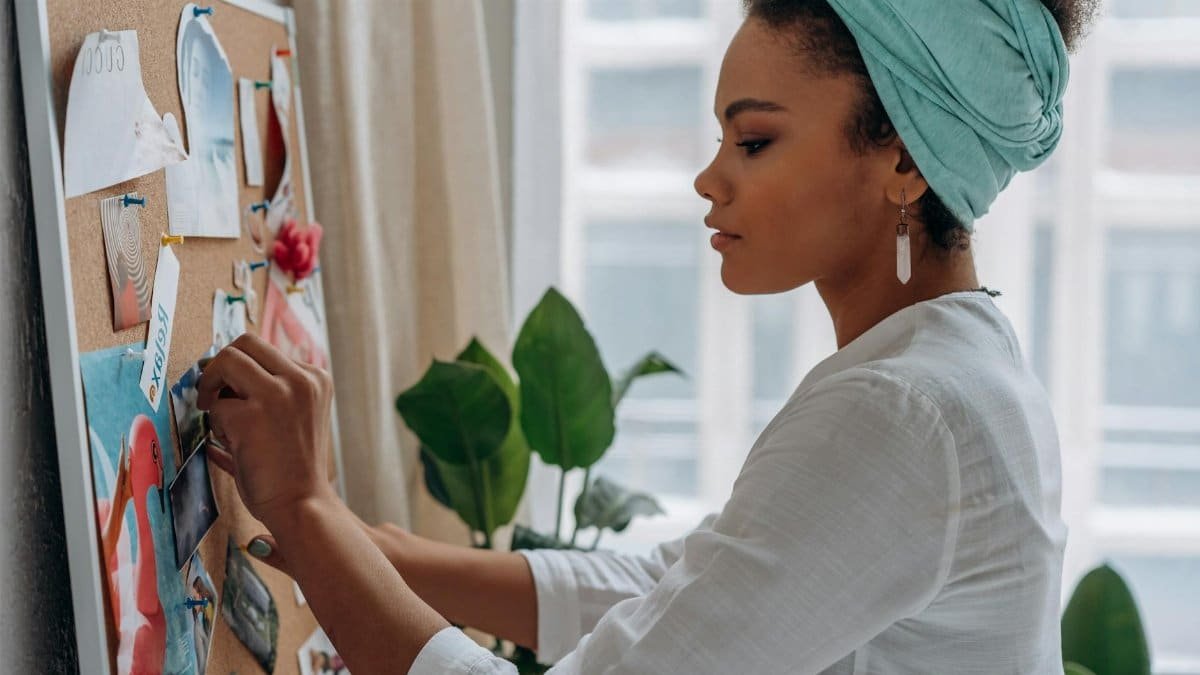
Companies are catching on. Google and Aetna offer meditation programs, reporting lower absenteeism and higher productivity. Employees gain tools for stress management, fostering a calmer corporate culture. A report from the CDC Workplace Health Resource Center details how such initiatives boost resilience. This trend is reshaping American offices, prioritizing mental health alongside profits.
Integrating Meditation with Other Wellness Practices
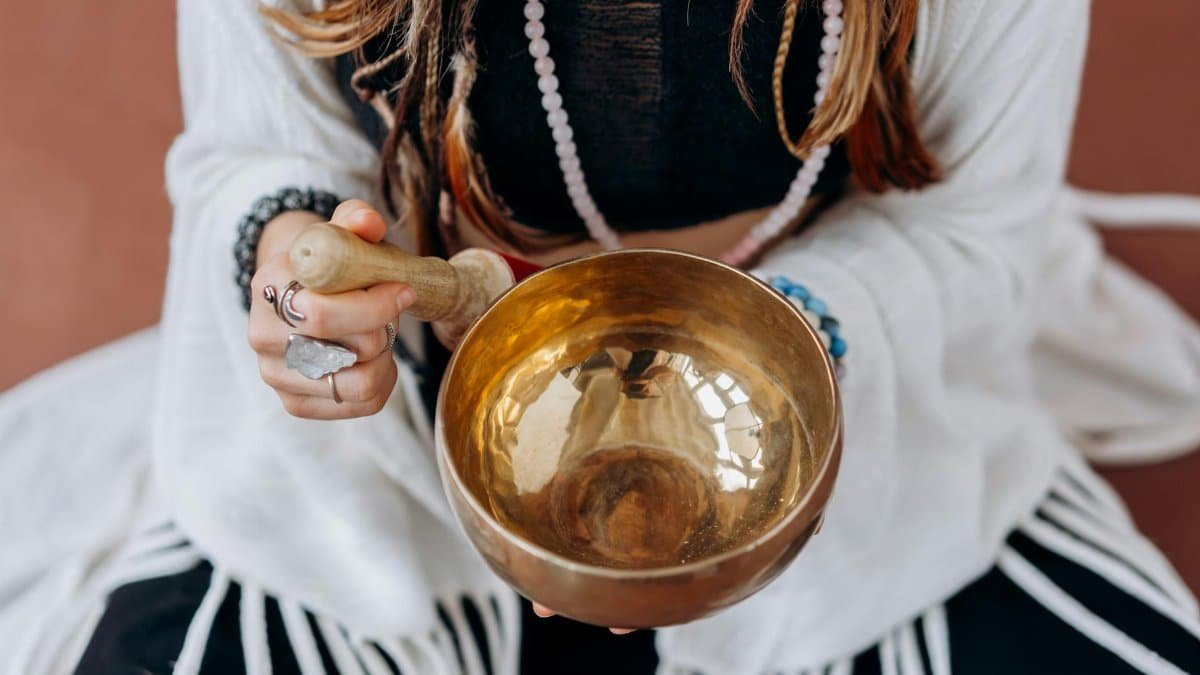
Meditation pairs well with exercise or journaling for amplified effects. Combining it with yoga enhances physical calm, while therapy adds depth to emotional resilience. Nutritionists note that a balanced diet supports meditative focus. Americans are mixing these for comprehensive stress relief, creating personalized routines that fit modern lifestyles.
The Future of Meditation in Stress Management

As awareness grows, meditation could become mainstream healthcare. With telehealth integrating mindfulness apps, access is expanding. In 2025, expect more research on its long-term impacts. For those seeking meditation resilience calm, the evidence is clear: it’s a powerful, proven ally against stress. Americans are choosing it not as a fad, but as a sustainable solution.