
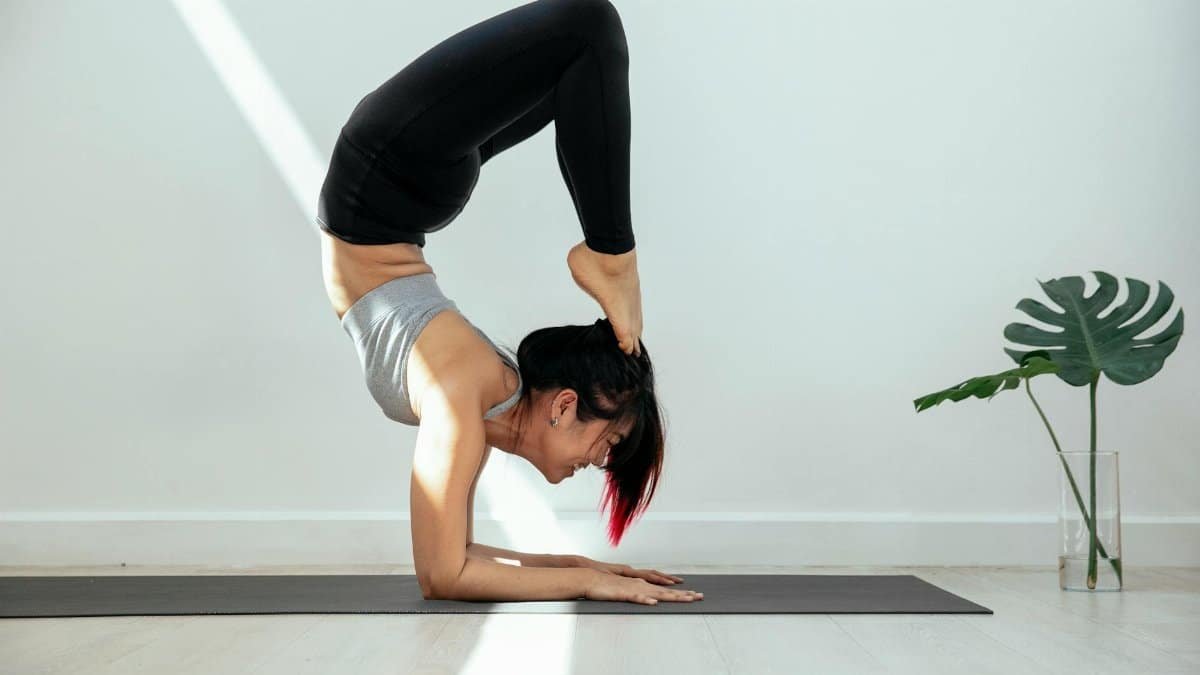
In a fast-paced world, more Americans are turning to breathwork meditation mindfulness to sharpen their focus and combat daily stress. New data from a 2023 survey by the American Psychological Association reveals that 35% of U.S. adults now incorporate some form of breathwork into their routines, up from 22% just five years ago. This surge highlights a growing recognition of how controlled breathing, paired with meditative practices, can enhance mental clarity and emotional balance. Experts say it’s not just a trend; it’s a practical tool for navigating modern life’s demands, from work pressures to personal challenges.
What Is Breathwork Exactly?
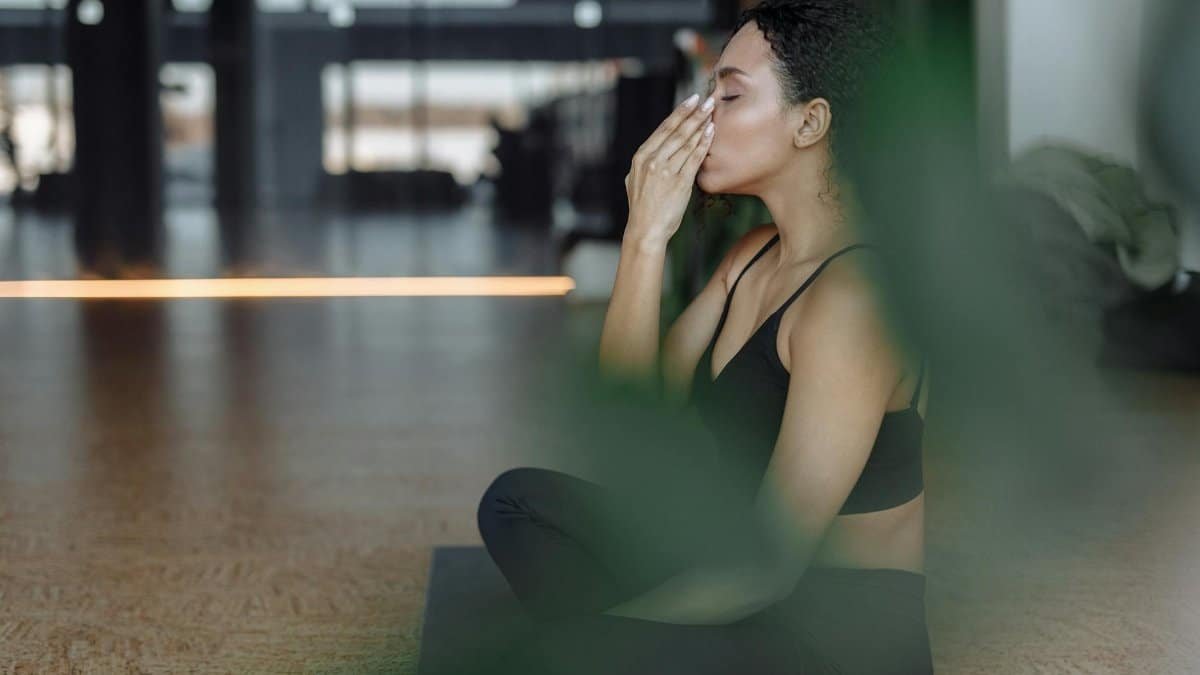
Breathwork refers to intentional breathing techniques designed to influence physical and mental states. It often draws from ancient practices like pranayama in yoga, adapted for contemporary use. When combined with meditation and mindfulness, it becomes a powerful method for focus. Users report feeling more grounded after sessions, as deep, rhythmic breathing activates the parasympathetic nervous system, reducing anxiety and improving concentration. In the U.S., apps and online classes have made it accessible, appealing to busy professionals seeking quick mental resets.
Why Focus Matters in 2025

With distractions at an all-time high, focus has become a prized commodity. Americans face constant notifications, remote work blurred lines, and information overload. Breathwork addresses this by training the brain to stay present. Studies show that regular practice can increase attention spans by up to 20%, according to research from the University of California. This isn’t hype; it’s backed by science, helping people from executives to students maintain productivity in a chaotic environment.
The Science Behind the Calm

Breathwork meditation mindfulness works by altering brain chemistry. Slow breathing lowers cortisol levels, the stress hormone, while boosting endorphins. A study published in the Journal of Clinical Psychology found participants who practiced for 10 minutes daily experienced reduced symptoms of ADHD-like distractions. It’s simple physiology: oxygenating the brain properly enhances cognitive function. For Americans juggling multiple roles, this translates to better decision-making and fewer errors under pressure.
For more details, check out the American Psychological Association’s mindfulness resources.
Real-Life Stories from Users

Take Mark Johnson, a New York accountant who struggled with afternoon slumps. After starting breathwork routines, he noticed sharper focus during tax season. “It’s like hitting a reset button,” he says. Similarly, teacher Lisa Ramirez in California credits it for managing classroom chaos. These anecdotes reflect a broader pattern: everyday Americans choosing breathwork to reclaim control over their attention. It’s not elite wellness; it’s practical for anyone.
Integrating Mindfulness Elements

Mindfulness in breathwork means observing thoughts without judgment while breathing. This combo prevents mind-wandering, a common focus killer. Techniques like the 4-7-8 method, where you inhale for four counts, hold for seven, and exhale for eight, promote this awareness. In U.S. wellness circles, it’s gaining traction as a non-pharmaceutical aid for mental health, especially post-pandemic when anxiety rates spiked.
Challenges and How to Overcome Them

Not everyone dives in easily. Beginners might feel lightheaded or impatient. Start slow, experts advise, with guided sessions via apps. Consistency is key; even five minutes daily builds habits. For skeptics, pairing it with familiar activities like walking helps. In America, where hustle culture reigns, overcoming the “too busy” mindset is crucial. Once past initial hurdles, the focus benefits become evident.
Breathwork in Daily Routines

Incorporating breathwork meditation mindfulness into everyday life is straightforward. Morning sessions set a focused tone; midday breaks recharge energy. Many Americans use it before meetings or during commutes. Tools like wearables track breathing patterns, making it measurable. As 2025 trends show, workplaces are even offering breathwork workshops to boost employee performance, recognizing its role in preventing burnout.
Potential Drawbacks to Consider

While beneficial, breathwork isn’t for everyone. Those with respiratory issues should consult doctors first. Overdoing intense techniques can lead to hyperventilation. Balance is essential; it’s a supplement, not a cure-all. In the U.S., where quick fixes are popular, understanding limitations ensures safe practice. Still, for most, the pros outweigh the cons when done mindfully.
Expert Tips for Getting Started

Begin with basics: Sit comfortably, close your eyes, and focus on your breath. Apps like Calm or Insight Timer provide free guides. Join local classes for community support. Track progress in a journal to note focus improvements. Remember, patience pays off. As more Americans adopt these habits, the collective shift toward mindful living grows stronger.
Explore evidence-based practices at the National Institutes of Health’s study on mindfulness and stress reduction.
Looking Ahead: Breathwork’s Growing Role

As mental health awareness rises, breathwork meditation mindfulness is poised to expand. U.S. surveys predict wider adoption in schools and healthcare by 2025. It’s affordable, requires no equipment, and delivers real focus gains. For a nation seeking balance, this practice offers a timeless yet timely solution.