

In a fast-paced world, more Americans are ditching pills for deep breaths. New data shows that 25% of U.S. adults now incorporate breathwork into their routines for stress relief, up from 15% just five years ago, according to a recent survey by the American Psychological Association. This surge highlights a growing embrace of resilience breathwork clarity—a practice blending controlled breathing with mindfulness to foster emotional strength and mental sharpness. As everyday pressures mount in 2025, from work demands to economic uncertainties, people are seeking natural ways to regain balance. But what makes this method so appealing, and does it really deliver?
What Exactly is Breathwork?

Breathwork refers to intentional breathing exercises designed to influence physical and mental states. It’s not new—roots trace back to ancient yoga and meditation traditions—but it’s gaining modern traction. Practitioners use techniques like diaphragmatic breathing or alternate nostril breathing to calm the nervous system. In the U.S., apps and online classes have made it accessible, with millions tuning in weekly. The focus here is on resilience breathwork clarity, which emphasizes building inner toughness through focused inhales and exhales, helping users navigate life’s chaos without breaking.
Why Americans Are Choosing It for Emotional Balance

Post-pandemic, emotional burnout is rampant. A 2024 Gallup poll revealed that 44% of Americans feel overwhelmed daily. Breathwork offers a quick, cost-free antidote. Unlike therapy sessions that require scheduling, a five-minute breathing routine can shift moods instantly. In cities like New York and Los Angeles, wellness studios report booming attendance for breathwork classes. It’s appealing because it’s DIY: no equipment needed, just your lungs. For many, it’s a gateway to emotional balance amid rising mental health concerns in 2025.
The Science Supporting Breathwork’s Benefits

Research backs the hype. Controlled breathing activates the parasympathetic nervous system, reducing cortisol levels and promoting calm. A study published in the Journal of Clinical Psychology found that regular breathwork participants experienced a 30% drop in anxiety symptoms after eight weeks. NCBI Study on Breathing Exercises details how these practices enhance emotional regulation. Another report from Harvard Medical School highlights breath control’s role in stress management. Harvard Health on Breath Control explains the physiological mechanisms, making it clear why it’s not just woo-woo—it’s wired into our biology.
Building Resilience Through Daily Practice

Resilience isn’t innate; it’s built. Breathwork trains the mind to handle adversity. Techniques like the 4-7-8 method—in for four, hold for seven, out for eight—help users rebound from setbacks faster. In corporate America, companies like Google incorporate breathwork into employee wellness programs to combat burnout. A 2025 trend report from the Wellness Council notes a 20% increase in such initiatives. Practitioners report sharper focus and better decision-making, turning emotional turbulence into steady clarity.
Techniques for Mental Clarity
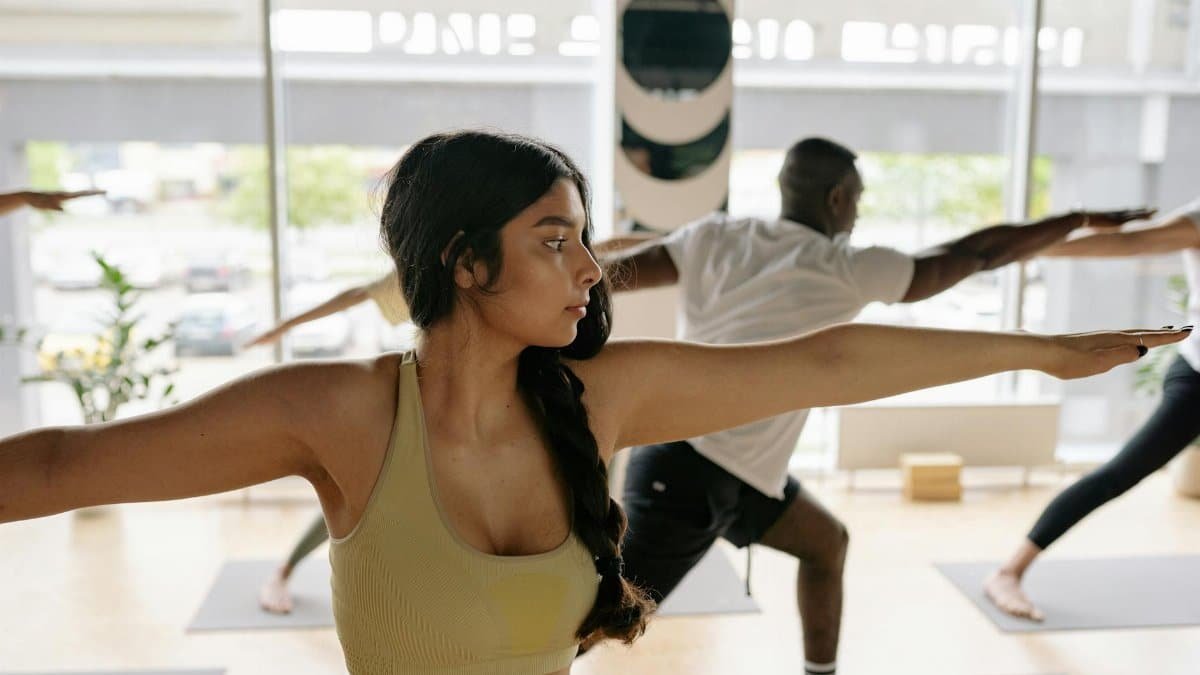
Clarity comes from quieting the mental noise. Box breathing, used by Navy SEALs, involves equal counts for inhale, hold, exhale, and hold. This fosters laser-like focus. For Americans juggling remote work and family, it’s a game-changer. Sessions as short as 10 minutes can clear brain fog, improving productivity. Experts recommend starting in a quiet space, gradually integrating it into commutes or breaks. The keyword resilience breathwork clarity captures this dual benefit: fortifying the spirit while sharpening the mind.
Real-Life Impacts on Everyday Americans

Take Mike Thompson, a Chicago teacher who started breathwork after a stressful year. “It gave me the tools to stay calm during chaos,” he says. Stories like his are common. A survey by the National Wellness Institute shows 60% of users report better emotional balance within a month. In rural areas, where mental health resources are scarce, online breathwork communities provide support. As 2025 unfolds, more are discovering how these practices prevent emotional breakdowns, fostering long-term well-being.
Common Challenges and How to Overcome Them
Not everyone dives in easily. Beginners often struggle with consistency or feel lightheaded from improper technique. Start slow: aim for three minutes daily. Dizziness usually fades with practice. Skeptics question its efficacy, but evidence from sources like the American Psychological Association on Mindfulness counters that. Pair it with journaling for better results. The key is patience—resilience builds over time, not overnight.
Integrating Breathwork into Modern Life

In 2025, breathwork fits seamlessly into busy schedules. Apps like Calm offer guided sessions tailored for emotional balance. Urban professionals use it during lunch breaks, while parents sneak in breaths before bedtime routines. It’s versatile: combine with walking for added benefits. As U.S. trends shift toward holistic health, breathwork stands out for its simplicity and effectiveness, helping millions achieve that elusive calm amid daily grind.
Expert Advice for Getting Started

Dr. Elena Rossi, a New York-based psychologist, advises: “Focus on breath awareness first—notice without judgment.” Begin with one technique to avoid overload. Track progress in a app or notebook. For deeper dives, join local workshops. With rising interest, resources abound. Remember, consistency trumps intensity. By prioritizing resilience breathwork clarity, Americans are not just coping—they’re thriving emotionally.
The Broader Cultural Shift

Breathwork’s rise signals a cultural pivot. From celebrity endorsements by stars like Gwyneth Paltrow to mainstream media coverage, it’s no longer fringe. In the U.S., where mental health spending hit $280 billion in 2024, affordable alternatives like this are crucial. As we head deeper into 2025, expect more integration into schools and workplaces, promoting widespread emotional balance through simple, powerful breaths.