

Americans are fleeing coastal cities in record numbers, fueling a surge dubbed midwest migration. A new report released on February 15, 2026, spotlights a massive influx into “Climate Haven” cities across Ohio and Michigan. Residents cite soaring costs on the East and West Coasts as the breaking point. They seek not just affordable homes, but refuge from intensifying climate disasters like floods, fires, and storms. This shift marks a pivotal realignment in U.S. population trends, reshaping housing markets and urban growth.
Coastal Costs Hit Breaking Point

High living expenses on the coasts have pushed families inland. Housing prices in California, New York, and Florida have ballooned beyond reach for middle-class buyers. Rent and mortgages devour larger shares of incomes, squeezing out long-time residents. The February report ties this directly to the midwest migration boom. People tired of financial strain are relocating where dollars stretch further. Basic needs like groceries and utilities also weigh heavier on coastal budgets, accelerating the exodus.
New Migration Report Drops Bombshell

The February 15, 2026, report pulls no punches. It documents unprecedented movement toward the Midwest heartland. Data shows thousands pouring into select cities monthly. Analysts point to economic pressures and environmental risks as dual drivers. This isn’t a trickle—it’s a wave altering demographics. For context, ongoing U.S. trends track similar internal shifts, as detailed by the U.S. Census Bureau Migration Data. The findings underscore a strategic pivot to stability.
Climate Havens Take Center Stage

“Climate Haven” cities in Ohio and Michigan stand out as prime destinations. These spots offer lower vulnerability to extreme weather. Unlike coastal zones battered by hurricanes and rising seas, Midwest locales face milder risks. The report labels them safe bets for the future. Residents prioritize protection from disasters that have ravaged edges of the country. This branding resonates, drawing planners and families alike. It’s a calculated escape from unpredictability.
Ohio Cities Absorb the Rush
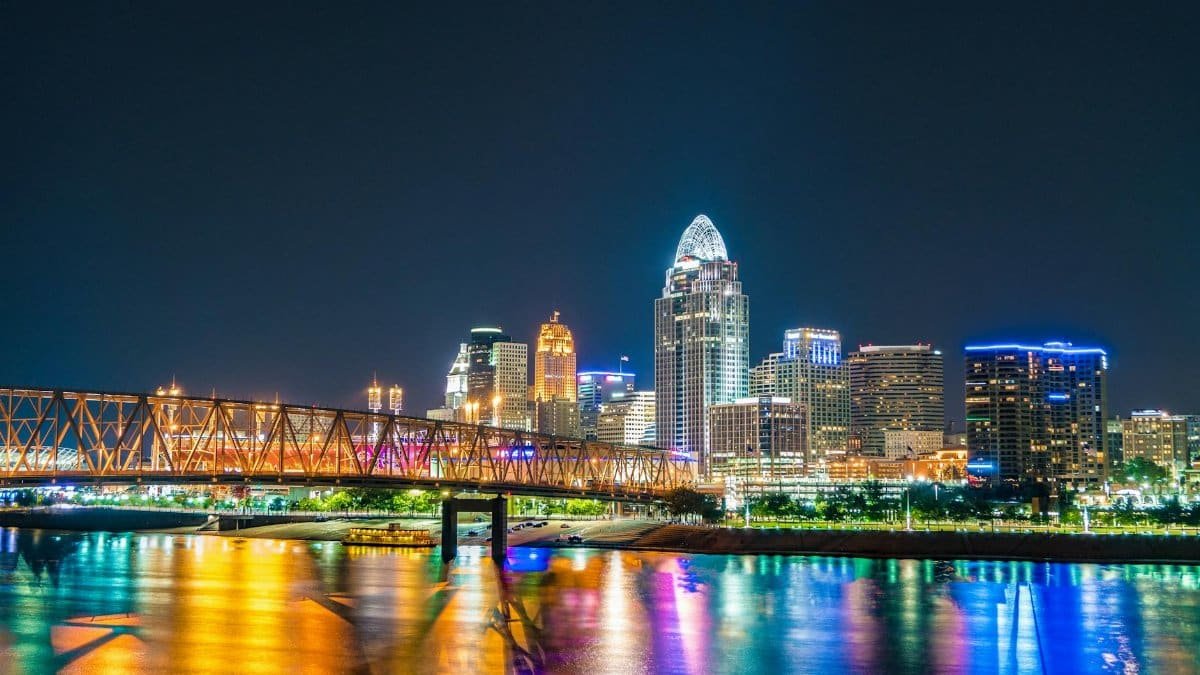
Ohio’s urban centers are swelling with newcomers. Affordable single-family homes and revitalized neighborhoods pull in coastal transplants. The state’s industrial heritage pairs with modern amenities, making it practical. Job opportunities in manufacturing and tech add appeal. The migration report notes sharp population gains here, outpacing national averages. Streets once quiet now buzz with fresh energy. Homeownership rates climb as buyers snag deals unavailable elsewhere.
Michigan Emerges as Hotspot
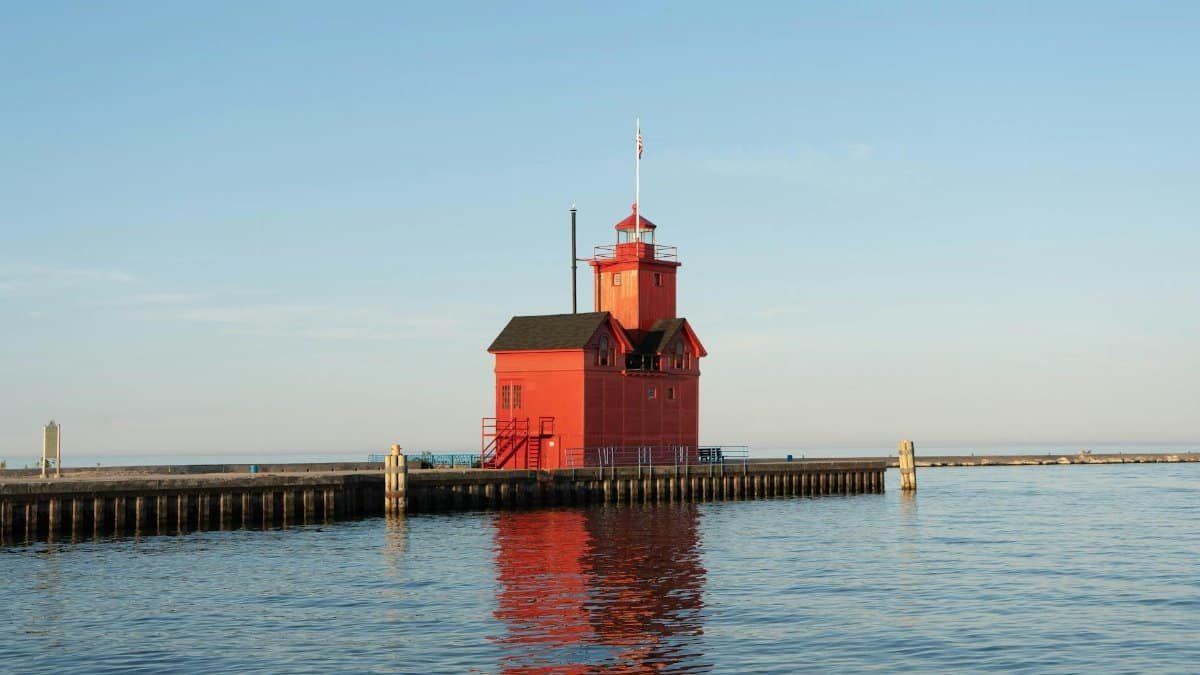
Michigan matches Ohio’s momentum. Its “Climate Haven” cities boast lakeside charm without ocean perils. Vast housing stock sits at bargain prices, from Detroit suburbs to Grand Rapids enclaves. The report highlights double-digit influx rates. Winters are tough, but summers shine, and disaster risks pale next to coastal threats. Newcomers rebuild communities, spurring local economies. This duo of states captures the midwest migration essence.
Affordable Homes Fuel the Move

Nothing drives midwest migration like housing costs. Coastal median prices top half a million dollars; Midwest equivalents hover far lower. Buyers score three-bedroom homes for fractions of East Coast tags. The report quantifies this gap as a magnet. Fixed-rate mortgages lock in savings, freeing cash for life beyond shelter. Neighborhoods upgrade without gentrification spikes. It’s raw economics reshaping maps.
Escaping Climate Disaster Zones

Safety trumps scenery for many. Coasts endure billion-dollar weather hits yearly, per federal tallies. Floods swamp Florida; wildfires scorch California. Ohio and Michigan dodge such fury, earning “Climate Haven” status. The migration report links this security to relocation spikes. Families shield kids from evacuation drills and insurance nightmares. Proactive moves now prevent future pain. Data from the NOAA National Centers for Environmental Information Billion-Dollar Disasters backs the coastal peril narrative.
Record Influx Reshapes Midwest

Numbers tell the story: record arrivals strain but boost infrastructure. Schools fill; businesses hire. Ohio and Michigan governments prep for sustained growth. The report forecasts ongoing momentum through 2026. Coastal outflows match inflows precisely, signaling permanence. Real estate heats up without bubble fears. This midwest migration redefines opportunity, proving affordability and safety win out.
By Chris F. Weber