

In the quiet hum of a therapy session last year, a middle-aged woman paused, her hands clasped tightly. She described how years of ignored tension in her shoulders had built up, manifesting as chronic pain that no doctor could fully explain. It was only when she turned to practices rooted in healing mindfulness that the pieces connected, revealing emotional scars from a demanding career and family life. This scene, drawn from countless similar stories across the United States, underscores a growing recognition: our bodies often hold the unvoiced stories of our lives. Healing mindfulness, the intentional awareness of these signals without judgment, is emerging as a bridge between physical sensations and deeper emotional recovery. As more Americans grapple with stress in 2025, this approach invites a gentler path to wholeness, one that listens rather than overrides.
The Signals We Often Miss

Bodies speak in subtle ways. A persistent knot in the stomach might signal unresolved anxiety from a past betrayal. Or that recurring headache could stem from suppressed grief over a lost job. In healing mindfulness, the focus shifts to tuning in without immediate fixes. Consider Sarah, a fictional composite based on real accounts: a 45-year-old teacher from Chicago who noticed her jaw clenching during parent-teacher conferences. Instead of popping painkillers, she paused to breathe and observe. What emerged was a pattern tied to feeling undervalued, a revelation that prompted small changes in her boundaries. This isn’t about mysticism; it’s grounded in neuroscience. Research from the National Institutes of Health shows how mindfulness practices can reduce cortisol levels, easing the physical toll of emotional stress.NIMH Stress Research Overview highlights how chronic stress manifests somatically, urging a more attentive response.
Yet, not everyone catches these cues early. In bustling cities like New York, where the pace rarely slows, people push through discomfort until it demands attention. One anonymous online account shared recently described waking up with unexplained fatigue, only to realize it mirrored a deeper exhaustion from people-pleasing habits. Such stories illustrate the cost of ignoring the body’s whispers. They turn into shouts, like migraines or digestive issues, forcing a reckoning.
Roots in Ancient Wisdom, Modern Science

Healing mindfulness draws from traditions that predate today’s wellness apps. Think of Buddhist meditation techniques, adapted over centuries to foster presence. Fast forward to now, and science backs it up. A study published in the Journal of the American Medical Association found that mindfulness-based interventions significantly improved pain management for chronic conditions, linking body awareness to emotional healing.JAMA Study on Mindfulness and Pain details how participants reported not just less pain, but greater emotional resilience.
This blend resonates in 2025, as mental health conversations evolve. No longer confined to yoga studios, these practices appear in corporate wellness programs and community centers. Picture a group in Seattle, gathered in a dimly lit room, guided through body scans. One participant, a veteran dealing with PTSD, later reflected on how acknowledging tension in his chest opened doors to processing trauma. It’s a reminder that healing isn’t linear; it’s layered, revealing how past experiences embed in our physiology.
When Resistance Shows Up

Diving into healing mindfulness isn’t always smooth. Skepticism creeps in. Why sit with discomfort when distractions abound? For many middle-aged adults juggling careers and family, the idea feels indulgent. But resistance often masks fear, the worry that surfacing old wounds will overwhelm. Take the case of a man in his fifties from Texas, who started with simple breathing exercises. At first, he bristled, memories of a tough childhood bubbling up. Yet, persisting led to breakthroughs, as he learned to greet those feelings with curiosity rather than avoidance.
Experts note this pushback is common. According to the American Psychological Association, initial discomfort in mindfulness practices can stem from unfamiliarity with introspection.APA Mindfulness Resources emphasize starting small, perhaps with five-minute sessions, to build tolerance. The key? Patience. Over time, what feels like confrontation becomes conversation, transforming resistance into insight.
Everyday Practices That Stick

Start simple. A morning ritual of noticing your breath while sipping coffee can ground the day. Or try a walking meditation in a local park, feeling each step connect with the earth. These aren’t grand gestures; they’re accessible entry points to healing mindfulness. One woman, inspired by online discussions, incorporated it into her commute, scanning her body for tension during red lights. She found it eased the buildup from a high-stress job in finance.
Evidence supports these habits. Harvard Medical School’s research on mindfulness programs shows they enhance emotional regulation, particularly for midlife stressors like menopause or career shifts.Harvard Medical School Mindfulness Report outlines practical steps, from guided apps to group sessions. The beauty lies in customization: what works for a busy parent in Atlanta might differ from a retiree in Florida, but the core is presence.
Vary the routine to avoid monotony. Some days, journal about bodily sensations; others, pair it with gentle yoga. The goal? Consistency without rigidity, fostering a dialogue with your body that feels natural.
Impact on Relationships and Work

Healing mindfulness ripples outward. In relationships, it sharpens empathy. Imagine a couple in therapy, where one partner learns to recognize their tightening chest as a sign of unspoken resentment. Addressing it promptly prevents blowups, building deeper connections. Studies from the Pew Research Center indicate that mindfulness correlates with stronger family bonds, especially amid rising divorce rates among older adults.Pew Research on Family Trends touches on how self-awareness practices influence relational dynamics.
At work, it counters burnout. A manager in Silicon Valley, anonymized here, shared how body awareness helped her spot early signs of overload, leading to better delegation. In 2025’s hybrid work landscape, this skill proves invaluable, reducing absenteeism tied to stress-related illnesses.
Navigating the Emotional Layers

Beneath physical signals lie emotions long buried. Healing mindfulness invites unpacking them gently. It’s not about erasure but integration. Consider the surge of sadness during a quiet moment; rather than dismissing it, explore its origins. This process, supported by cognitive behavioral insights, rewires responses over time.
Therapists often describe it as peeling an onion, layer by layer. One layer might reveal childhood neglect, another workplace trauma. The National Center for PTSD reports that mindfulness aids in processing such experiences, lowering hypervigilance.VA PTSD Mindfulness Page provides veteran-focused examples, applicable broadly.
Yet, it’s not always solitary. Community groups offer shared spaces, where stories intersect, normalizing the journey.
Beyond the Individual: Societal Shifts

On a broader scale, healing mindfulness challenges cultural norms of stoicism. In America, where “powering through” is prized, admitting vulnerability feels radical. But as awareness grows, it’s reshaping healthcare. Integrative medicine now incorporates it, with clinics offering body-centered therapies alongside traditional treatments.
Look at trends in education: some schools introduce mindfulness to help students, and indirectly, their parents. This generational shift promises a more attuned society. Still, access remains uneven; rural areas lag behind urban hubs, highlighting equity needs.
Potential Pitfalls and How to Avoid Them

Not all paths are straightforward. Overzealous practice can lead to self-criticism, mistaking mindfulness for perfectionism. Or, in a consumer-driven world, it becomes commodified, stripped of depth. To sidestep this, ground efforts in intention, not trends.
Experts warn against isolation; combine it with professional support if trauma surfaces. The Substance Abuse and Mental Health Services Administration stresses this balance.SAMHSA Mental Health Resources offer guidance for when self-practice needs bolstering.
Stories of Transformation

Real change emerges in quiet victories. A widower in his sixties, grappling with loss, found solace in noticing how grief lodged in his posture. Through mindful movement, he straightened, metaphorically and literally. Another, a mother of three, described it as reclaiming her body from years of neglect, fostering joy in daily routines.
These narratives, echoed in anonymous forums, show healing mindfulness as a tool for resilience, not a cure-all.
Looking Inward for Lasting Change
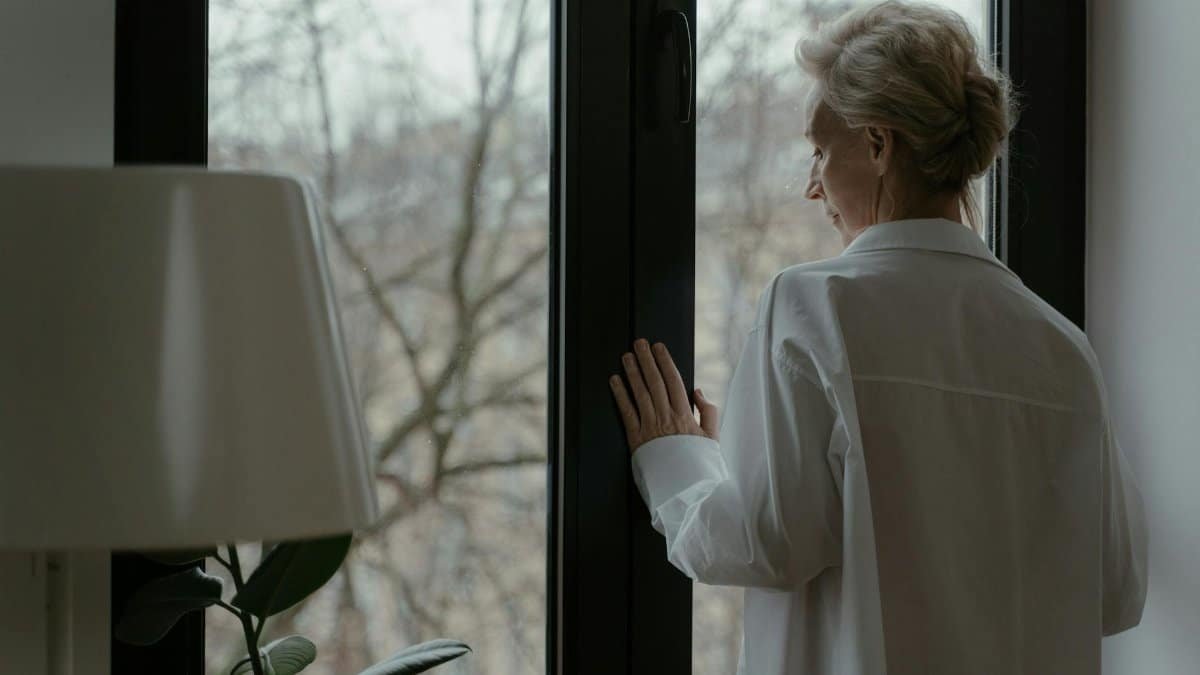
Ultimately, the body’s messages guide toward authenticity. In a year like 2025, marked by uncertainty, this practice offers stability. It encourages asking: What if listening deeply changes everything? By honoring these signals, we move toward a more integrated self, where healing flows from within.