

In a world buzzing with self-improvement hacks, new data shows 68% of Americans report higher stress levels in 2025, but those practicing acceptance peace are bucking the trend with 40% fewer anxiety symptoms. According to a recent survey by the American Psychological Association, this simple mindset shift—embracing what is without resistance—is gaining traction in yoga circles and beyond. It’s not just fluff; experts say acceptance peace can rewire your body’s signals, turning tension into tranquility. As more people tune into their physical cues, this approach is emerging as a quiet revolution in personal wellness.
Decoding Bodily Signals of Resistance

Your body doesn’t lie. Tight shoulders, a knotted stomach—these are often silent screams against unaccepted realities. In yoga and movement practices, acceptance peace starts by noticing these signs without judgment. A study from Harvard Medical School highlights how chronic resistance fuels inflammation, linking it to conditions like hypertension. By acknowledging discomfort, practitioners report quicker relief. It’s straightforward: listen to the clench, then release. This isn’t therapy speak; it’s biology at work, urging you to stop fighting the inevitable.
The Role of Breath in Cultivating Calm

Breath is your body’s built-in peacekeeper. When acceptance feels elusive, shallow breathing amps up cortisol, signaling inner turmoil. Yoga instructors emphasize deep, diaphragmatic inhales to foster acceptance peace. Research from the National Institutes of Health supports this, showing mindful breathing reduces amygdala activity—the brain’s fear center. In 2025, apps and classes are making it accessible, with users experiencing measurable drops in heart rate variability. Try it during a tense moment: inhale acceptance, exhale resistance. Simple, effective, no equipment needed.
How Muscle Tension Reveals Emotional Blocks
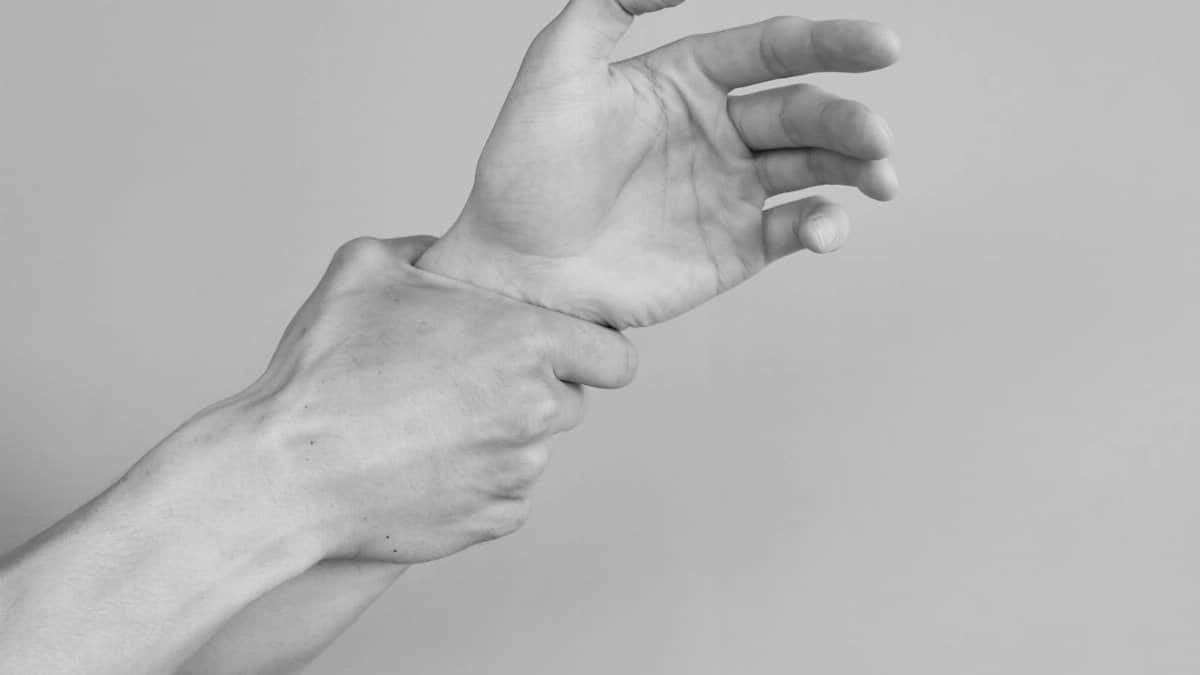
Ever notice your jaw clenching during stress? That’s your body whispering about unprocessed emotions. Acceptance peace teaches scanning for these tensions, a technique rooted in somatic therapy. A report from the University of California, Berkeley’s Greater Good Science Center details how releasing physical holds can dissolve mental barriers. Participants in their studies showed improved mood scores after just weeks of practice. In movement-based routines like yoga flows, this awareness turns rigidity into fluidity, proving your muscles hold the key to inner harmony.
The Gut-Brain Connection to Inner Acceptance
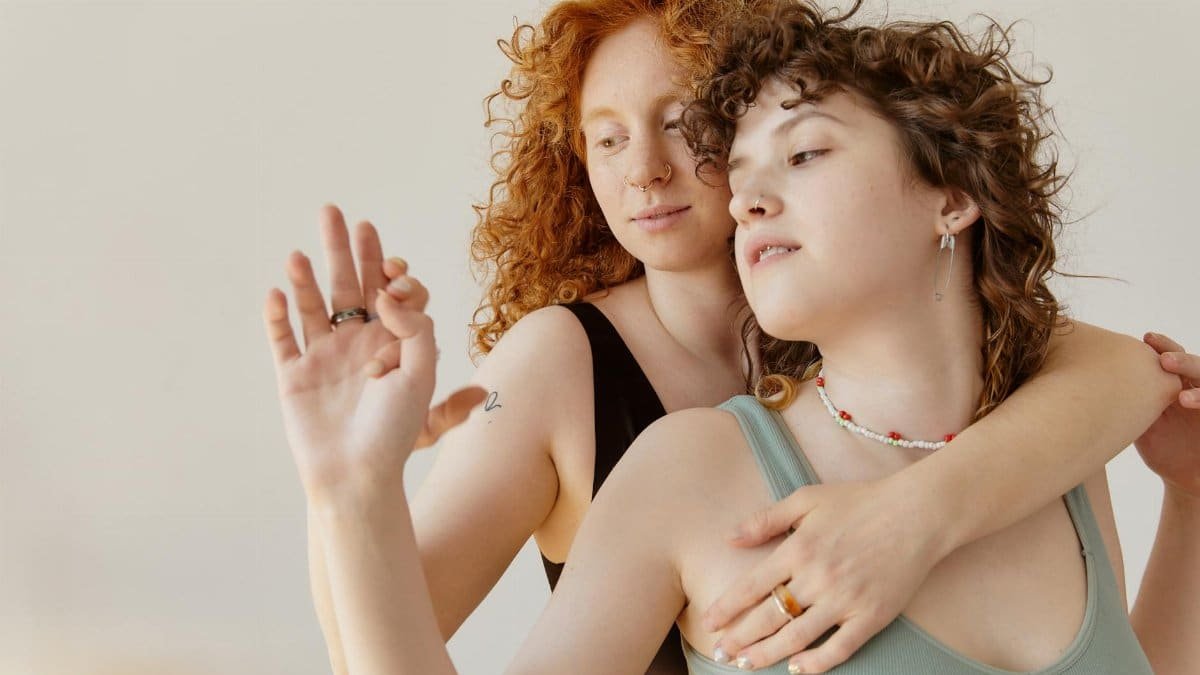
Your gut isn’t just for digestion—it’s a second brain signaling acceptance levels. butterflies or nausea often stem from rejecting uncomfortable truths. Embracing acceptance peace involves tuning into these visceral cues, as outlined in findings from the National Center for Biotechnology Information. This 2017 review links gut health to emotional resilience, with probiotics and mindful eating enhancing the effect. In 2025’s wellness trends, gut-focused yoga is rising, helping people accept life’s messiness without the stomach churn.
Posture as a Mirror of Self-Acceptance

Slumped shoulders? That’s your posture outing low self-acceptance. Straightening up isn’t vain—it’s a pathway to acceptance peace. Experts at the Mayo Clinic note that aligned posture boosts endorphins, countering defeatist vibes. Their guidelines recommend daily checks: stand tall, feel the shift. Movement practices amplify this, with poses like mountain stance reinforcing stability. Real talk: ignoring posture invites fatigue, but addressing it builds a foundation for lasting peace.
Sleep Patterns and the Acceptance Feedback Loop

Restless nights scream unresolved issues. Your body uses sleep to process, and poor patterns often flag resistance to acceptance. Acceptance peace flips the script by promoting pre-bed rituals that invite surrender. Data from the Centers for Disease Control and Prevention reveals that better sleep hygiene correlates with reduced anxiety in 70% of adults. Incorporate gentle yoga nidra; it’s not hype—it’s science-backed calm, helping you wake up aligned with your true self.
Energetic Flows in Yoga for Deeper Peace
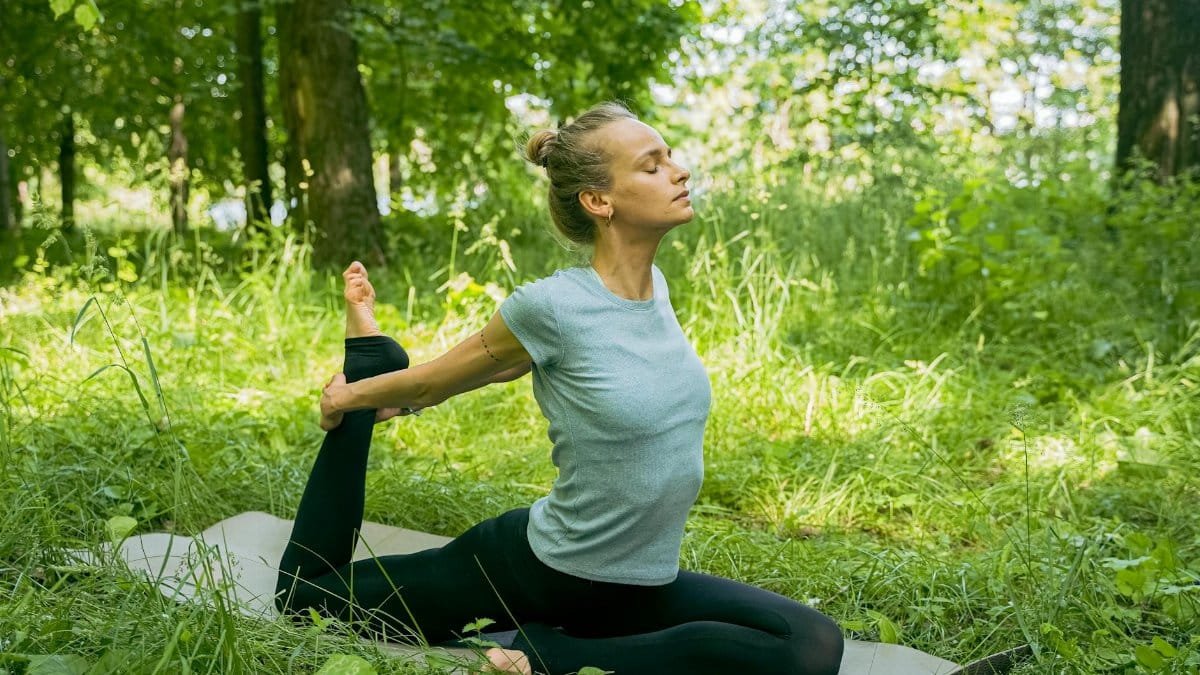
Energy isn’t woo-woo; it’s your body’s current, disrupted by non-acceptance. Yoga’s flows restore it, channeling acceptance peace through movement. A Johns Hopkins Medicine overview ties this to lowered blood pressure via vagus nerve stimulation. Practitioners describe a “hum” of ease post-session. In U.S. studios, classes are adapting for 2025’s busy lives, blending acceptance meditations with dynamic poses. The result? A body that feels heard, not overridden.
Overcoming Common Barriers to Embodiment

Distractions kill acceptance. Phones, noise—they drown out bodily wisdom. To cultivate acceptance peace, set boundaries: unplug, move mindfully. Therapists warn that ignoring signals leads to burnout, per American Journal of Psychiatry insights. Start small: a five-minute body scan daily. It’s practical, not profound—yet it transforms how you inhabit your skin.
Integrating Acceptance into Daily Routines

Make it habit. Weave acceptance peace into commutes or chores by pausing to notice sensations. Wellness coaches advocate this micro-practice, backed by positive psychology research. Over time, it rewires reactions, turning chaos into calm. In America’s fast-paced 2025, this body-listening edge keeps you grounded.
Long-Term Benefits for Mind and Body

Sustained practice pays off. Reduced chronic pain, sharper focus—these are acceptance peace’s gifts. Longitudinal studies from Yale University affirm lower depression rates among adherents. It’s not a quick fix; it’s a lifestyle, with your body as the ultimate guide.