
Introduction

Is balance healing the hidden key to unlocking true inner peace? In a fast-paced world where stress reigns supreme, many Americans are turning to this practice to confront what they bury deep inside. Balance healing involves harmonizing emotional truths with daily life, forcing individuals to face avoided admissions about their flaws, fears, and failures. Experts say ignoring these truths breeds anxiety, but embracing them fosters resilience. As wellness trends surge in 2025, this approach is gaining traction, promising real change without the fluff.
The Roots of Avoidance

People dodge admitting weaknesses because it’s uncomfortable. Psychologists trace this back to evolutionary instincts, where vulnerability signaled danger. Today, in the U.S., social media amplifies the pressure to project perfection. A study from the American Psychological Association highlights how suppression leads to higher stress levels. Admitting truths, though, kickstarts balance healing by aligning inner reality with outer actions. It’s not about confession booths; it’s practical self-awareness that builds emotional strength.
Why Admissions Matter for Mental Health
Holding back admissions creates internal chaos. Mental health pros note that unacknowledged issues manifest as insomnia, irritability, or even depression. Balance healing counters this by encouraging honest reflection. According to the National Institute of Mental Health, self-acceptance therapies reduce anxiety by up to 30 percent in participants. In 2025, with rising mental health awareness, more folks are integrating this into routines, from journaling to therapy sessions, to achieve lasting equilibrium.
Common Things People Avoid Admitting

Top on the list: failure in careers or relationships. Many won’t admit jealousy toward friends’ successes or regret over past choices. Financial missteps, like crippling debt, often stay hidden due to shame. Wellness coaches report that admitting these sparks balance healing, turning regret into growth. A Pew Research Center survey shows 45 percent of adults hide financial stress, exacerbating isolation. Facing it head-on shifts the narrative from victimhood to empowerment.
The Role of Balance Healing in Daily Life

Balance healing isn’t abstract; it’s actionable. Start with small admissions, like owning up to procrastination habits. Incorporate mindfulness practices to spot avoidance patterns. U.S. trends show yoga and meditation apps booming, with users reporting better emotional balance. A report from Harvard Medical School links consistent self-reflection to improved decision-making. By weaving admissions into everyday routines, individuals prevent minor issues from snowballing into crises.
Challenges in Embracing Admissions

Not everyone dives in easily. Fear of judgment blocks many from admitting truths, especially in competitive work environments. Cultural stigmas around vulnerability persist, particularly among men, per studies from the Centers for Disease Control and Prevention. Balance healing requires patience, as initial discomfort can feel overwhelming. Overcoming this involves building support networks, like wellness groups, which are proliferating across American cities in 2025.
Real-Life Impacts and Stories
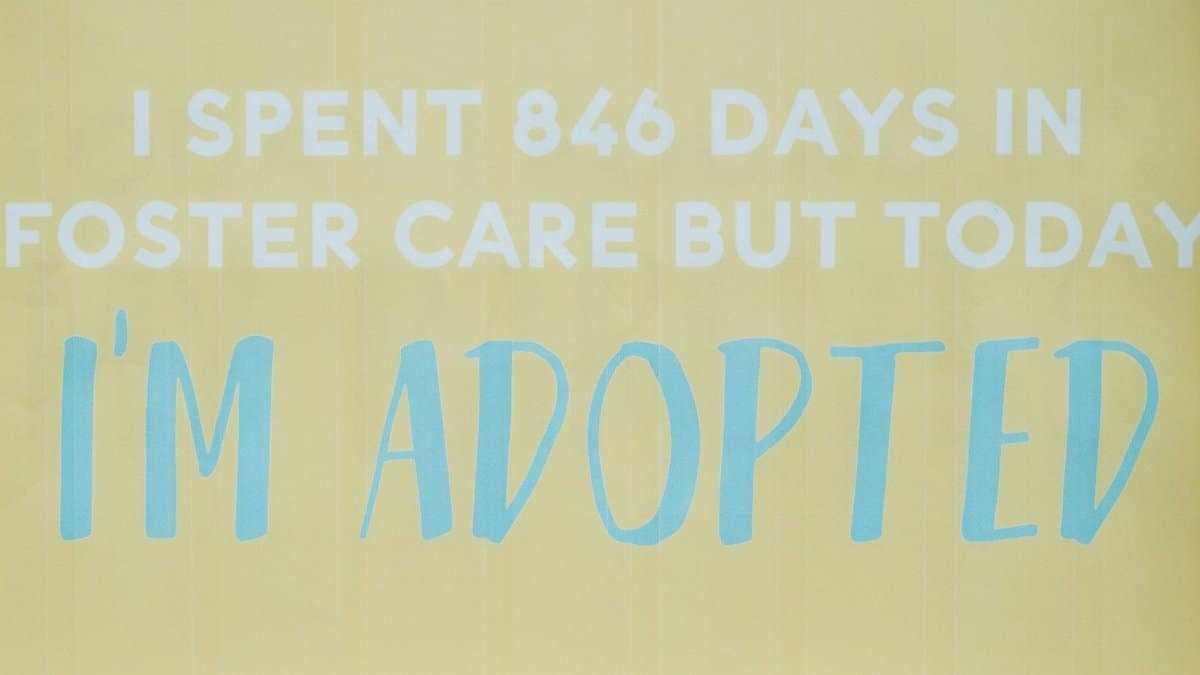
Take John from Chicago, who avoided admitting his burnout until it led to a health scare. Through balance healing techniques, he confronted his workaholic tendencies and rebuilt his life. Such stories echo nationwide, with therapists seeing spikes in clients seeking authenticity. The Substance Abuse and Mental Health Services Administration notes that honest self-assessment cuts relapse risks in recovery programs. These examples prove admissions aren’t weaknesses; they’re pathways to strength.
How to Start Your Own Balance Healing Journey
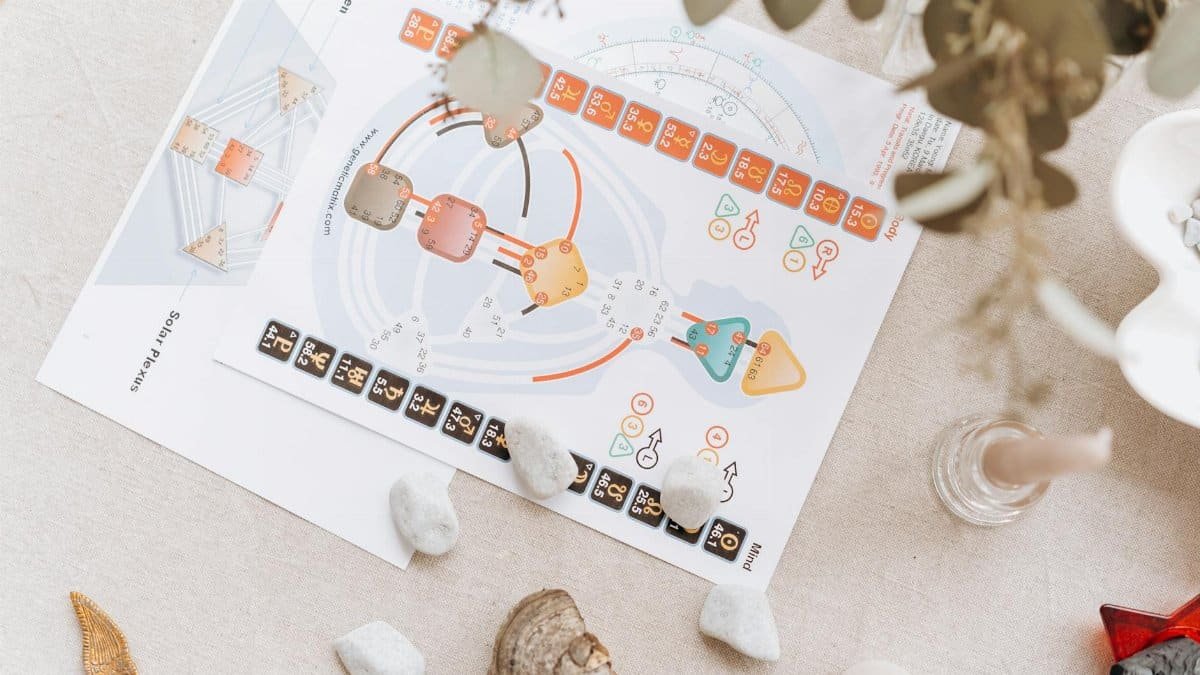
Begin simple: List three avoided truths weekly. Pair it with breathing exercises to ease anxiety. Resources abound, from apps to books on emotional intelligence. A key study in the Journal of Positive Psychology, accessible via American Psychological Association’s Positive Psychology Journal, shows structured admissions boost well-being. Track progress in a journal, adjusting as needed for personal fit.
The Broader Societal Benefits

When individuals practice balance healing, communities thrive. Honest admissions foster empathy, reducing conflicts in families and workplaces. In the U.S., where division runs high, this could bridge gaps. Data from Gallup indicates societies with high emotional transparency report better collective mental health. As 2025 unfolds, expect more public figures advocating for vulnerability, inspiring widespread adoption.
Potential Pitfalls to Watch For

Oversharing can backfire, leading to regret or exploitation. Balance healing demands discretion; not every admission needs broadcasting. Experts warn against forcing revelations without readiness, which might heighten stress. A balanced approach, per guidelines from the Mayo Clinic’s wellness resources at Mayo Clinic Stress Management, ensures sustainable healing without unnecessary exposure.
Final Thoughts on Why It Matters
Avoiding admissions keeps people stuck in cycles of denial. Embracing them through balance healing unlocks freedom and growth. In a nation grappling with mental health crises, this practice offers a straightforward path forward. It’s not trendy hype; it’s essential for authentic living. As more Americans prioritize wellness in 2025, facing what’s hidden could redefine personal success.