
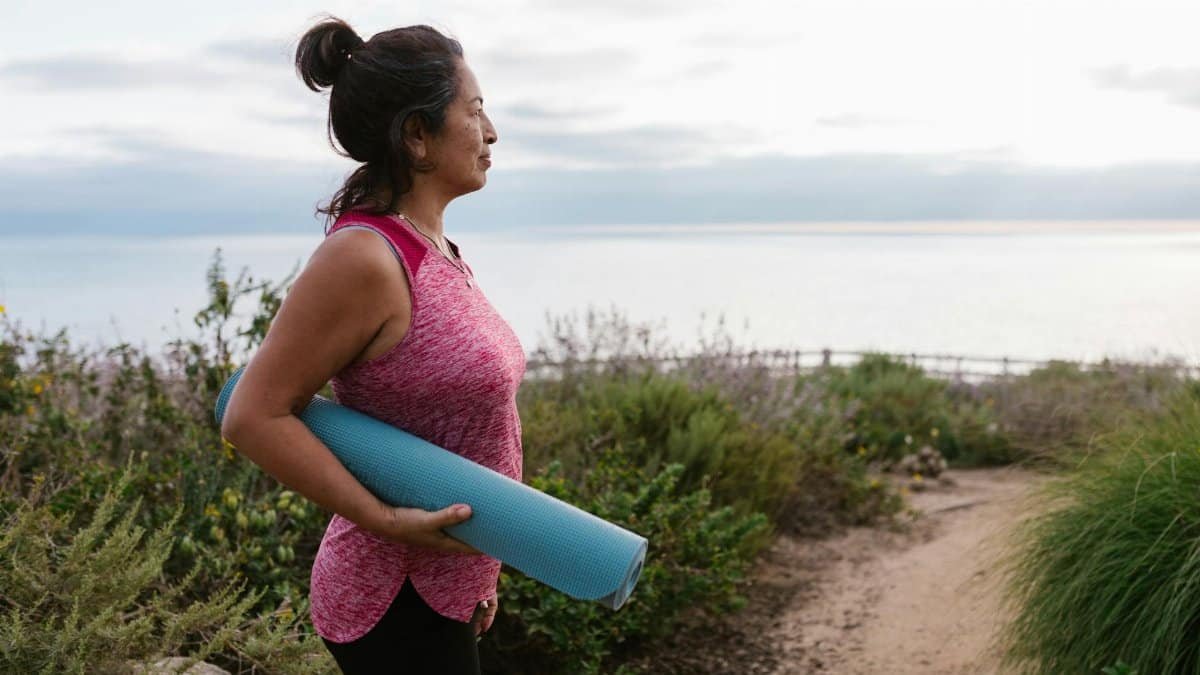
New data shows that over 36 million Americans practiced yoga in 2022, with numbers climbing as people seek ways to combat rising stress levels. This ancient practice, blending flexibility, energy, and movement, isn’t just about twisting into pretzels—it’s a pathway to true peace. In Jacksonville and beyond, folks are turning to yoga to find balance amid chaotic daily lives. But what can it really teach us about inner calm? From reducing anxiety to fostering mindfulness, yoga offers lessons that extend far beyond the mat.
The Ancient Origins of Yoga
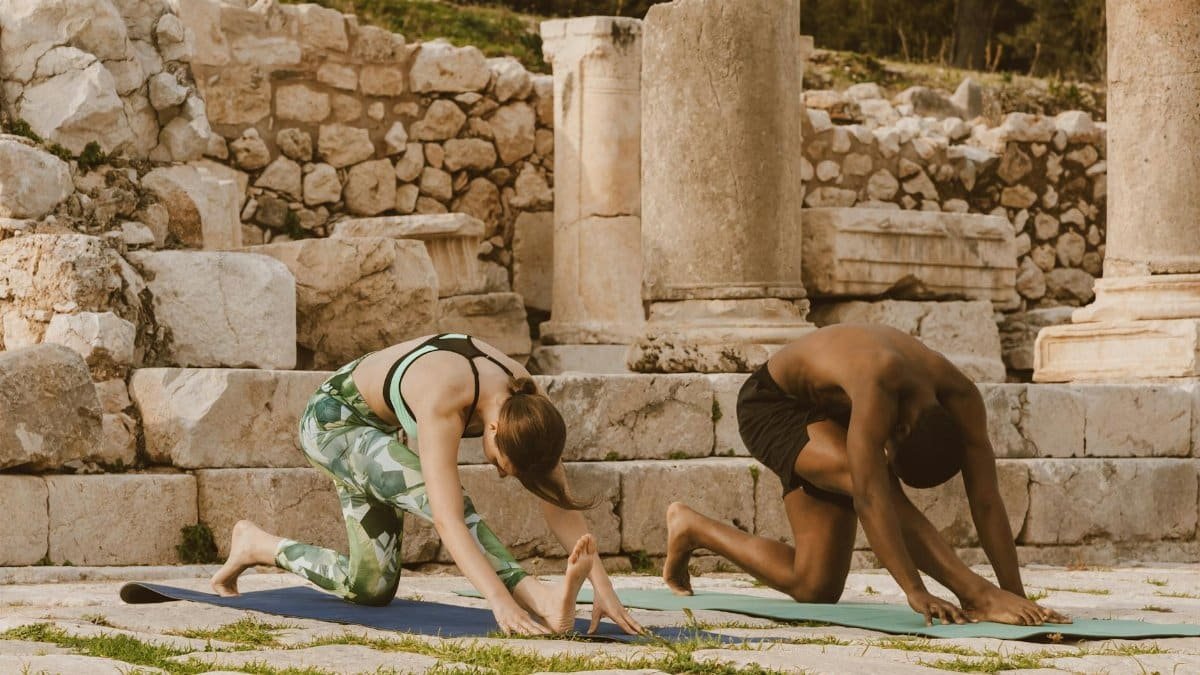
Yoga traces its roots back over 5,000 years to ancient India, where it emerged as a spiritual discipline aimed at uniting body, mind, and spirit. The word “yoga” itself comes from the Sanskrit term meaning “to yoke” or “to unite.” Early practitioners used it to achieve enlightenment, focusing on postures, breathing, and meditation. Today, in the U.S., yoga has evolved into a mainstream wellness tool, but its core principles remain timeless. It teaches that true peace starts with self-awareness, a lesson that’s especially relevant in our fast-paced 2025 world.
Flexibility: More Than Physical Bends
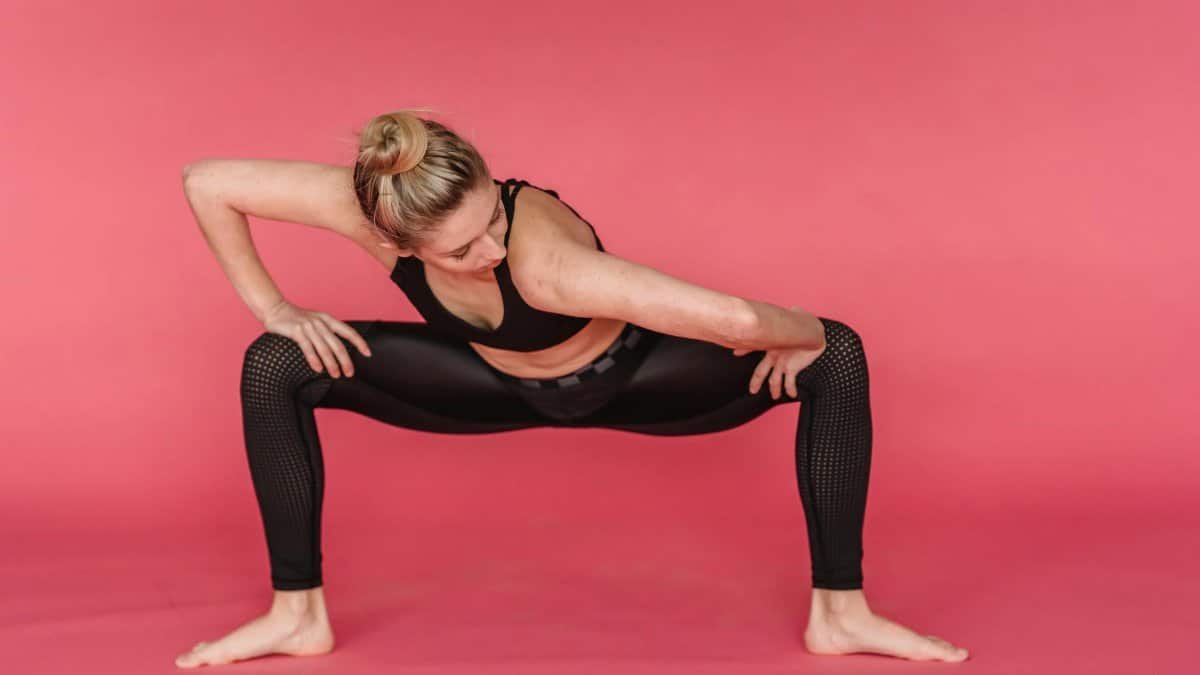
Flexibility in yoga goes beyond limber limbs—it’s about mental adaptability too. Poses like the forward fold or downward dog stretch muscles while encouraging you to let go of rigidity in thinking. Studies show that regular yoga practice improves joint mobility and reduces injury risk. But the real peace comes from applying this flexibility to life: bending without breaking during tough times. In Jacksonville, local studios report more people joining classes to build this resilience, turning physical practice into emotional strength.
Harnessing Energy Through Breath
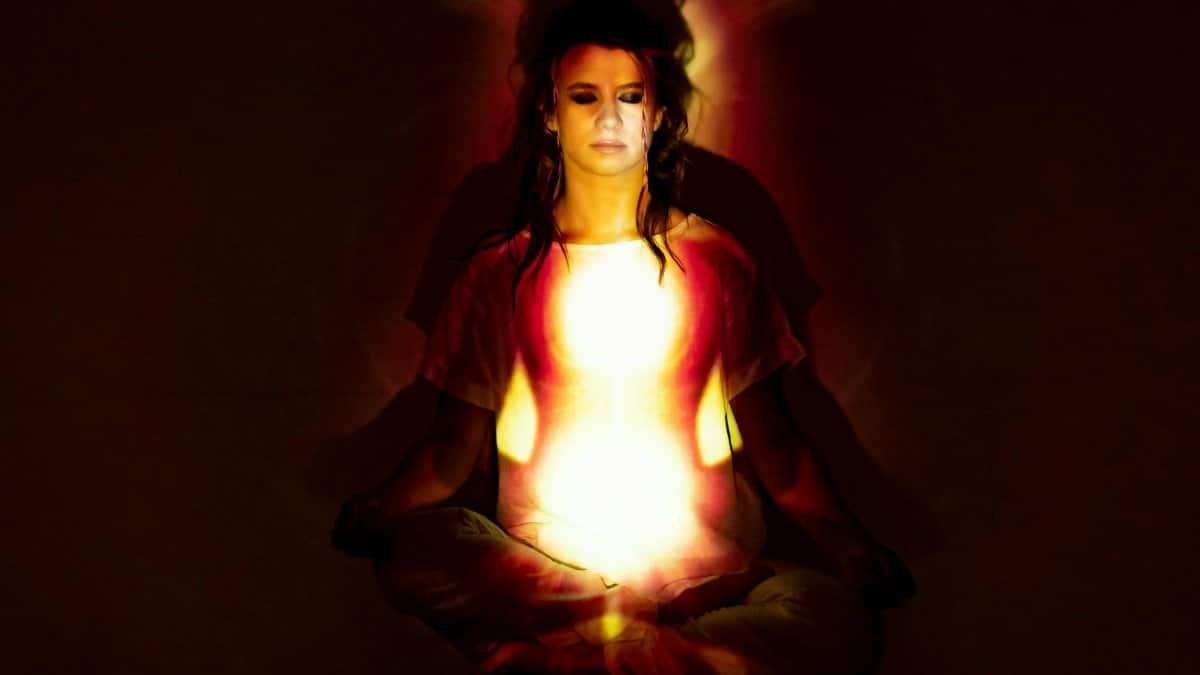
Energy, or “prana” in yoga terms, flows through controlled breathing techniques like pranayama. These exercises oxygenate the body, boosting vitality and calming the nervous system. A quick session can shift you from frazzled to focused, teaching that peace isn’t passive—it’s an active management of inner energy. U.S. health experts note a surge in breathwork apps and classes, with many crediting it for better sleep and lower blood pressure. It’s a simple tool for channeling energy toward tranquility.
Movement as a Path to Mindfulness
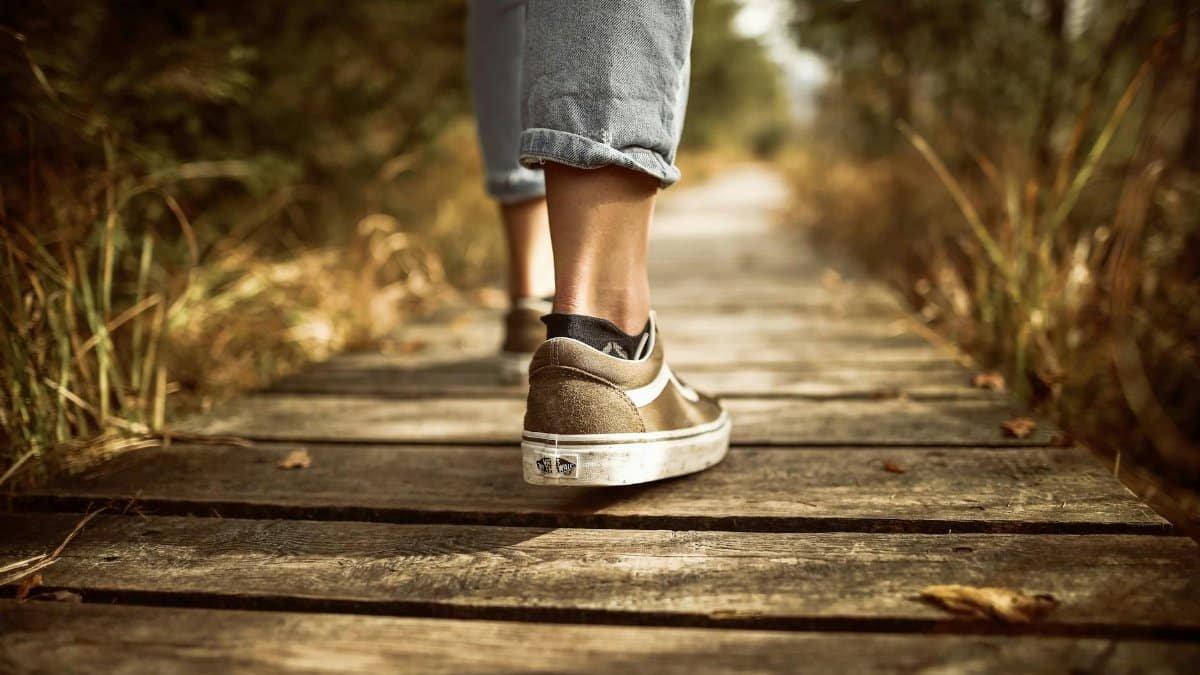
Movement in yoga isn’t random; it’s mindful flow, like in vinyasa sequences where poses link seamlessly. This rhythmic motion trains the brain to stay present, quieting the mental chatter that disrupts peace. Research from the National Institutes of Health highlights how such practices enhance cognitive function and emotional regulation. In 2025, with distractions everywhere, yoga’s emphasis on purposeful movement helps people reconnect with the moment, fostering lasting serenity.
Yoga’s Impact on Stress Reduction

One of yoga’s biggest draws is its proven ability to slash stress. By activating the parasympathetic nervous system, it lowers cortisol levels and promotes relaxation. A study by the Harvard Medical School found that yoga practitioners experience significant drops in anxiety and depression symptoms. In Jacksonville, community centers are incorporating yoga into wellness programs, helping residents manage everything from work pressure to personal challenges. It’s not magic—it’s science-backed peace-building.
Building Community Through Shared Practice
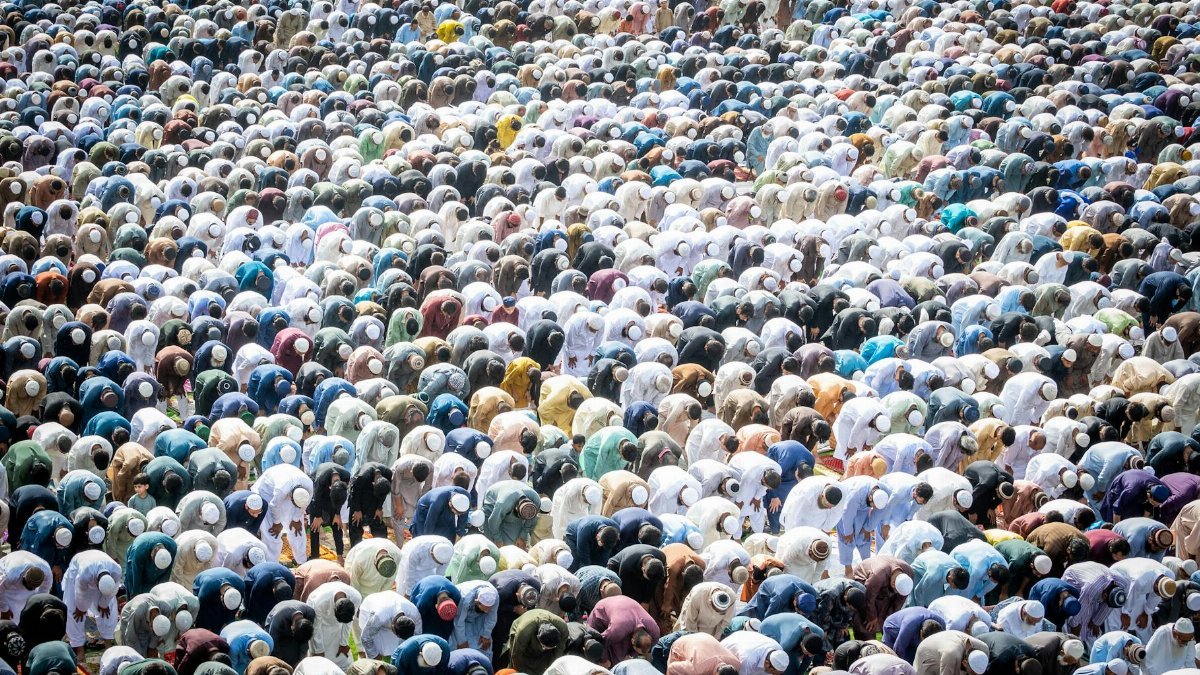
Yoga classes create a sense of belonging, turning individual practice into communal harmony. Group sessions in parks or studios foster connections, reminding us that true peace often involves others. Participants share stories of how collective energy amplifies personal growth. With social isolation on the rise in 2025, these gatherings provide vital support networks. From beginners to experts, the shared movement builds empathy and understanding, key ingredients for broader societal peace.
Adapting Yoga for Modern Lifestyles
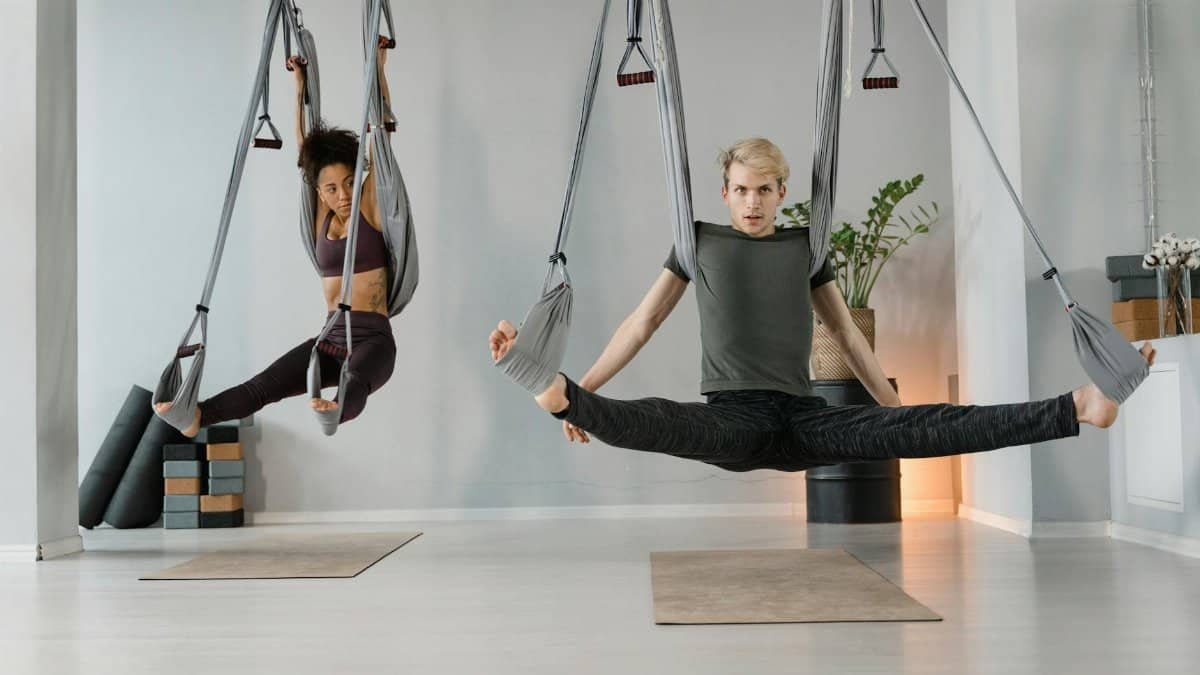
Today’s yoga adapts to busy schedules with online classes, chair yoga for offices, and quick 10-minute flows. This flexibility makes it accessible, teaching that peace doesn’t require hours of meditation—just consistent effort. Apps and virtual studios have boomed, especially post-pandemic, allowing anyone to integrate energy and movement into daily routines. In urban areas like Jacksonville, hybrid models blend in-person and digital options, ensuring yoga’s lessons reach more people seeking balance.
Overcoming Common Yoga Challenges

Not everyone nails a headstand on day one, and that’s okay—yoga teaches patience. Common hurdles include physical limitations or wandering minds, but instructors emphasize modifications and focus. This approach mirrors life’s obstacles: adapt and persist for peace. Experts recommend starting slow, perhaps with gentle hatha styles, to build confidence. By addressing these challenges head-on, yoga shows that true peace comes from embracing imperfections, not avoiding them.
Yoga’s Role in Holistic Well-Being
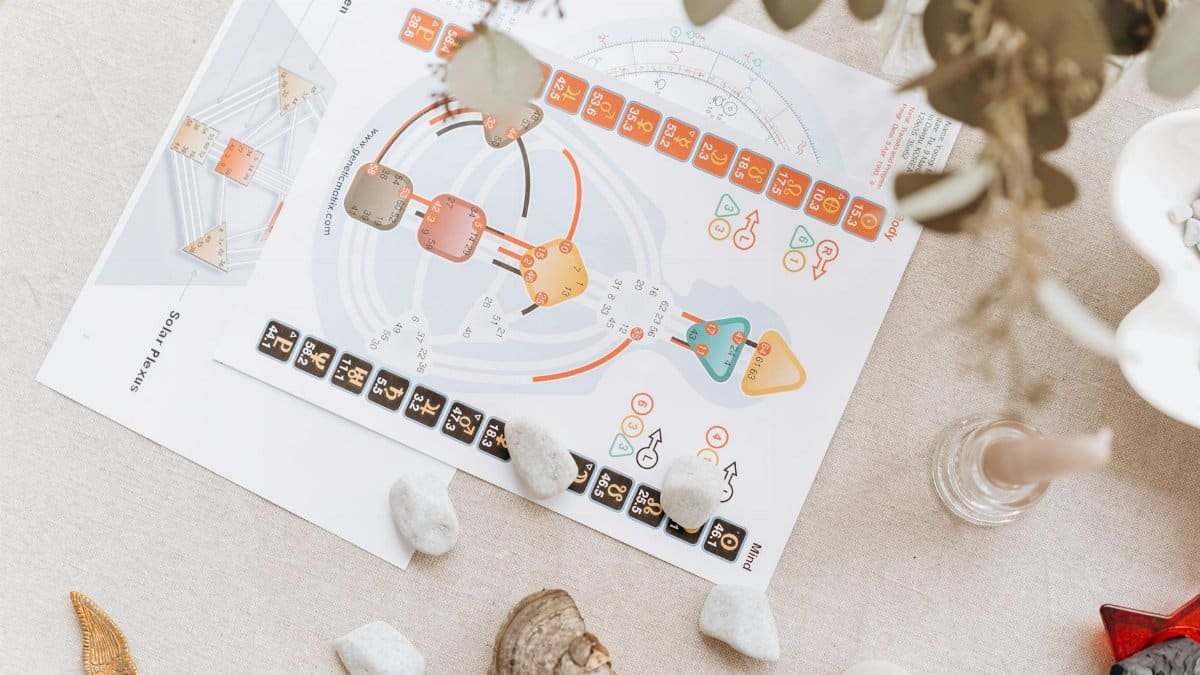
Beyond the mat, yoga influences diet, sleep, and relationships, promoting holistic health. It encourages mindful eating and restful nights, enhancing overall energy. Movement practices improve posture and circulation, while the philosophical side inspires ethical living. In 2025, with wellness trends leaning toward integration, yoga stands out as a comprehensive tool. Jacksonville residents report better work-life balance after adopting these habits, proving yoga’s teachings extend to every aspect of life.
Lessons for Lasting Peace

Ultimately, yoga reveals that true peace stems from harmony between flexibility, energy, and movement. It’s not about escaping chaos but navigating it with grace. As more Americans embrace this practice, the ripple effects could lead to calmer communities. Whether in Jacksonville or nationwide, yoga offers practical wisdom: breathe deep, move intentionally, and flex with life’s twists. Start small, and watch inner peace unfold.