
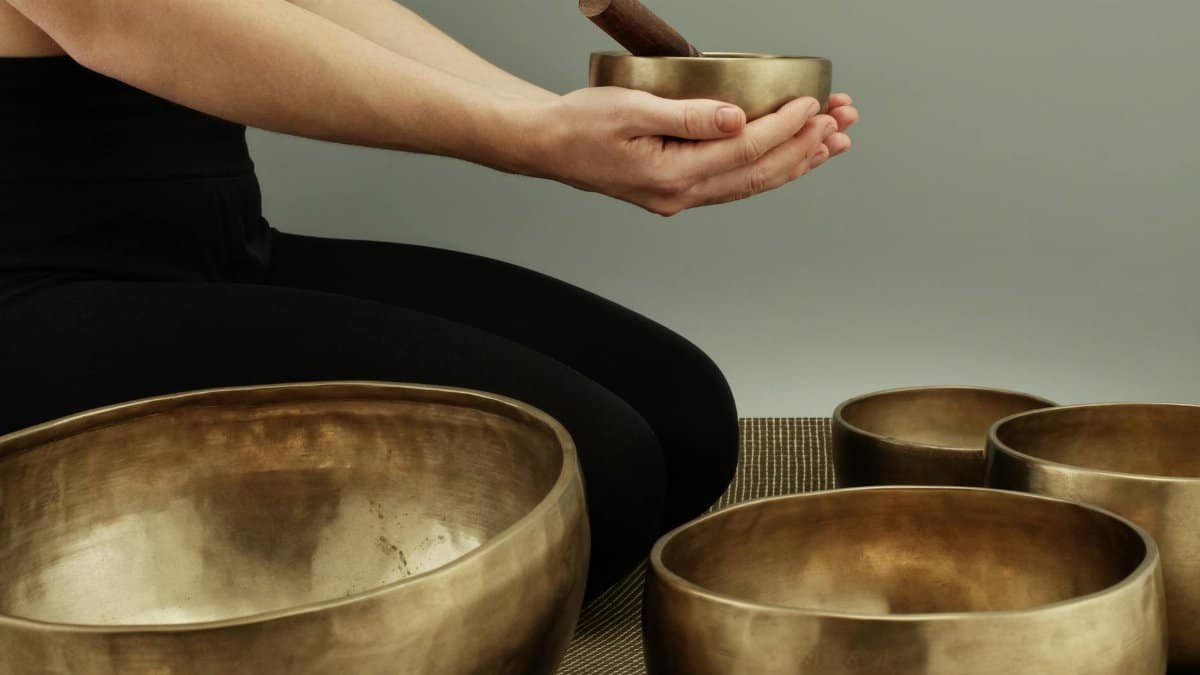
New data shows that 70% of Americans dealing with chronic stress have turned to alternative therapies like sound therapy for relief, according to a recent survey by the American Psychological Association. This ancient practice, involving vibrations from instruments like singing bowls or gongs, is gaining traction in the U.S. as people seek ways to heal emotional wounds and foster inner peace. But what happens when individuals fully commit? Many report profound shifts in their relationships and personal growth, releasing old patterns for a more vibrant life. Sound therapy isn’t just a trend—it’s transforming how we approach emotional health in 2025.
Understanding the Basics of Sound Therapy

Sound therapy uses specific frequencies to influence the body’s energy fields. Practitioners believe these sounds can balance chakras and promote healing. In the context of healing relationships, it helps individuals process emotions tied to past traumas. For instance, tuning forks or binaural beats create vibrations that resonate with brain waves, inducing relaxation. This method dates back to ancient cultures but has modern applications in therapy sessions. Experts say it’s about entrainment, where the body’s rhythms sync with the sound, leading to reduced anxiety and better emotional clarity.
How Sound Therapy Releases Old Patterns
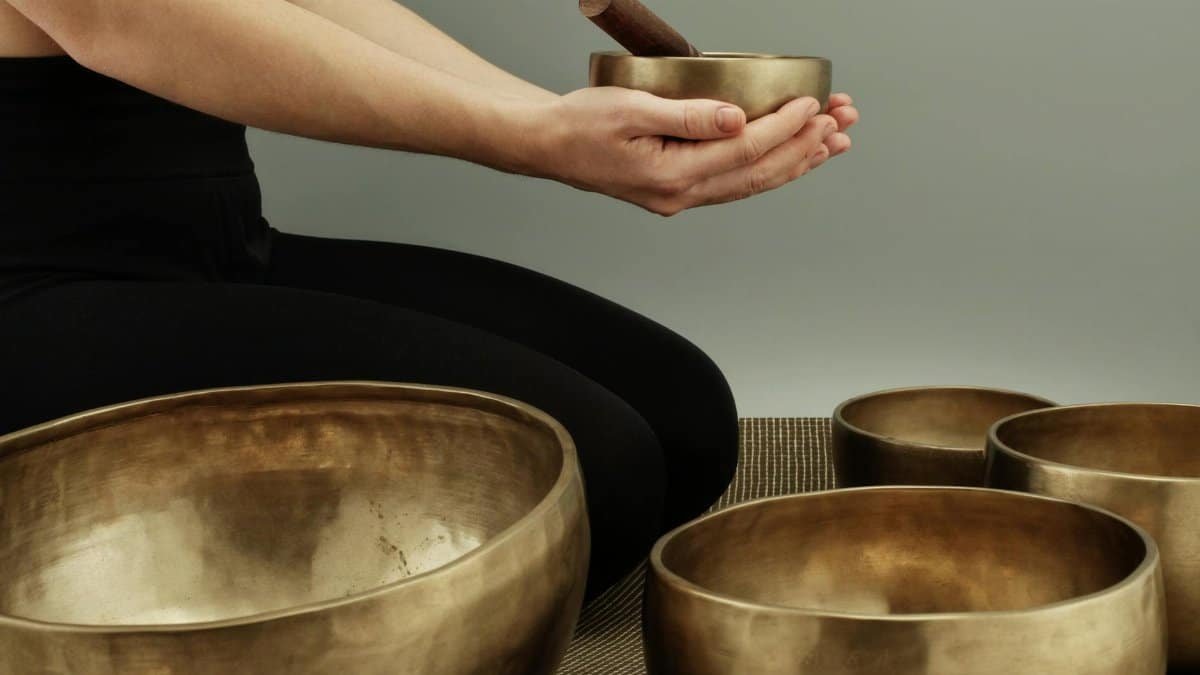
Devoting time to sound therapy often uncovers deep-seated habits that sabotage relationships. Participants describe sessions where gongs produce waves that “wash away” resentment. A study from the University of California, published in the Journal of Alternative and Complementary Medicine, found that sound-based interventions reduced symptoms of emotional distress by 40% in participants. University of California Study on Sound Therapy. This release allows for healthier interactions, as old grudges fade and empathy grows. In group settings, shared sound experiences build communal bonds, fostering forgiveness.
The Role in Emotional Health and Growth

Sound therapy supports emotional health by stimulating the parasympathetic nervous system, which counters stress responses. Users report heightened self-awareness, crucial for personal growth. In relationships, this means better communication and vulnerability. Therapists integrate it with counseling to amplify effects, helping couples navigate conflicts. A report from the National Institutes of Health highlights how vibrational therapies aid in managing mood disorders. NIH on Music and Health. Committing to regular practice in 2025 could be key for those seeking lasting change.
Energy Shifts and Inner Peace

One major discovery is the energy shift that occurs with consistent sound therapy. Vibrations are said to clear blockages in the body’s energy meridians, leading to a sense of inner peace. People devoted to this practice often feel lighter, with reduced mental chatter. This shift enhances spirituality, making individuals more present in their relationships. Anecdotal evidence from wellness centers shows participants experiencing breakthroughs in self-love, which radiates outward to improve connections with others. It’s not magic, but the science of sound waves influencing neural pathways makes it effective.
Practical Applications in Daily Life

Integrating sound therapy into routines is straightforward. Start with apps offering guided sound baths or invest in a singing bowl for home use. For relationship healing, couples can attend joint sessions to synchronize their energies. Daily listening to specific frequencies, like 432 Hz for harmony, promotes ongoing benefits. Professionals recommend combining it with journaling to track discoveries. In the U.S., urban centers like New York and Los Angeles offer workshops, making it accessible. This hands-on approach ensures the therapy’s insights translate to real-world improvements.
Common Challenges and How to Overcome Them

Not everyone dives into sound therapy without hurdles. Skepticism is common, especially among those new to alternative healing. Initial sessions might feel overwhelming due to emotional releases. To overcome this, start small with short meditations. Finding a qualified practitioner is crucial to avoid misinformation. Research shows consistency yields results, with many overcoming doubts after a few weeks. Building a support network, perhaps through online communities, helps maintain commitment. Addressing these challenges leads to deeper discoveries in personal and relational growth.
Real-Life Transformations from Devotees

Stories abound of transformations after full devotion. Take Mark from Chicago, who credits sound therapy with saving his marriage by helping him release anger from childhood. Or Lisa in Seattle, who found inner peace amid a career crisis, leading to stronger family ties. These accounts highlight shifts toward vibrant living. Wellness experts note that such changes often involve spiritual awakenings, where individuals discover untapped potential. In 2025, as more Americans embrace this, expect a surge in shared success stories emphasizing emotional resilience.
The Impact on Spirituality and Relationships
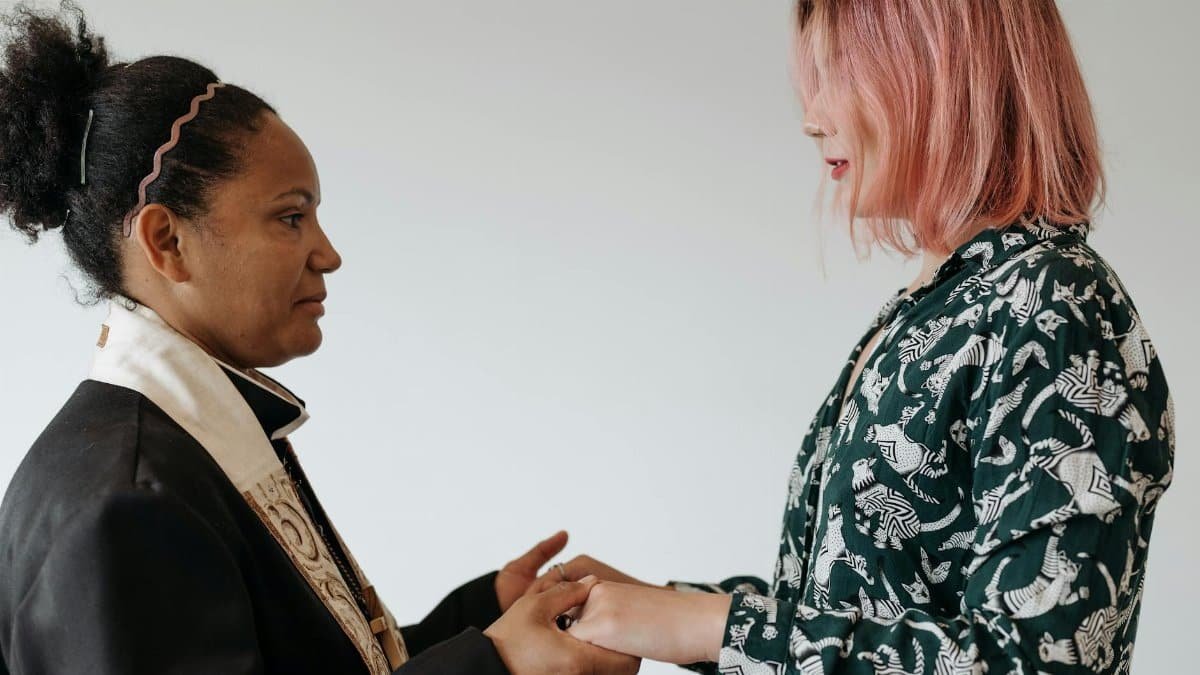
Sound therapy deeply influences spirituality by connecting users to a higher sense of purpose. This spiritual growth spills over into relationships, encouraging authenticity and compassion. Devotees discover that vibrational healing aligns their energies, making conflicts easier to resolve. It’s particularly effective for those in toxic dynamics, offering tools to break cycles. Integrating it with mindfulness practices amplifies effects, leading to profound relational harmony. As awareness grows, sound therapy stands as a bridge between emotional health and spiritual fulfillment.