
By Natasha Weber
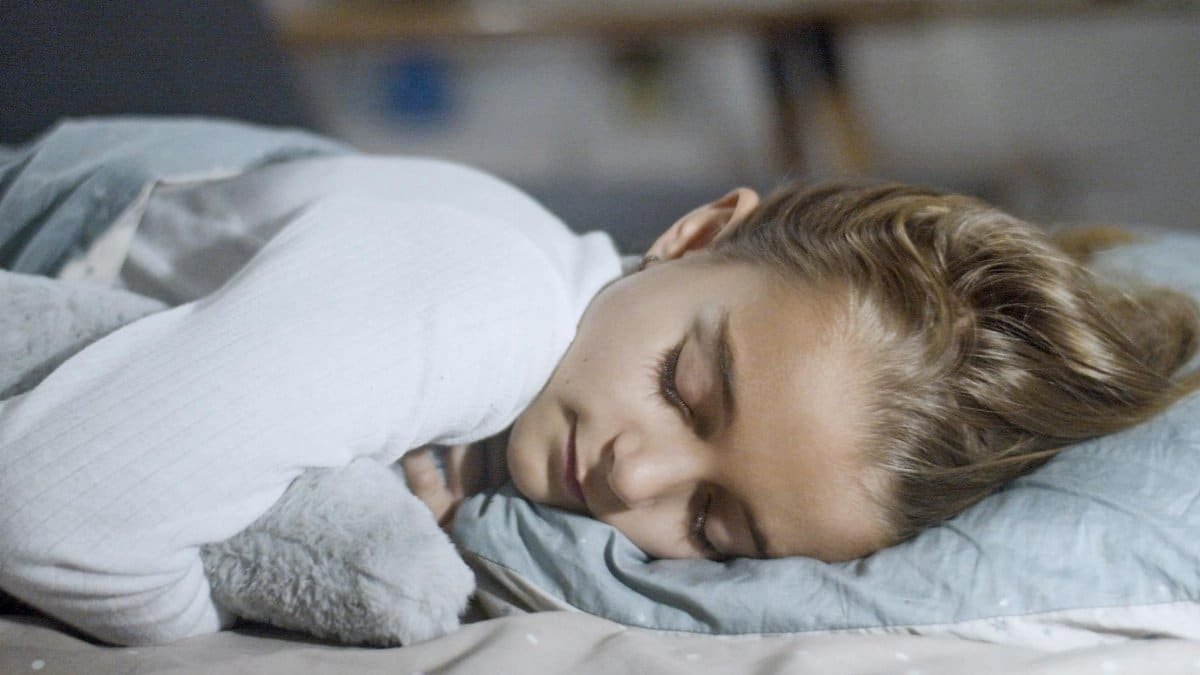
For centuries, folks nodded off in two chunks at night—a deep “first sleep” after dusk, a wakeful hour or two for prayers, chats or snacks, then a “second sleep” till dawn. This biphasic slumber vanished with factory whistles and gas lamps, replaced by our sacred eight-hour marathon. Now historians like Roger Ekirch argue it’s our natural rhythm, clashing with sleep labs insisting one solid block rules. As insomnia plagues millions, is modern science sleeping on the truth?
The Two-Sleep Rhythm of Yore
Before alarm clocks, nights split neatly. Ekirch’s book At Day’s Close unearths 500 references in diaries, court records and sermons from 1500-1800 Europe. Chaucer’s pilgrims mentioned it; Shakespeare nodded to it in Henry IV. No freak accident—this was standard from ancient Greece to colonial America. People rose around midnight for sex, Bible study or fireside gossip, then crashed again. Historians peg it to pre-electric darkness, when candles were pricey luxuries.
Why Biphasic Vanished Overnight

Blame the 19th century. Streetlights and coffee houses stretched evenings, factories demanded dawn starts. By 1920s America, segmented sleep was “primitive,” per ads hawking electric lights. Thomas Edison crowed sleep was for weaklings. Wages tied to output killed midnight breaks. Today, 70% of us chase monophasic myths, per sleep polls, fueling a $80 billion industry in pills and apps.
Sleep Docs Push Back Hard

Modern experts aren’t sold. Dr. Matthew Walker, in Why We Sleep, calls biphasic a relic of agrarian life, not biology. Circadian clocks crave consolidation, he says—core body temp dips once nightly for deep REM. Split sleep risks “sleep inertia,” that groggy fog. Clinics like Harvard’s push CBT-I for unbroken nights. Yet Walker’s critics note his work ignores pre-industrial data; lab rats aren’t peasants.
Brain Scans Enter the Fray
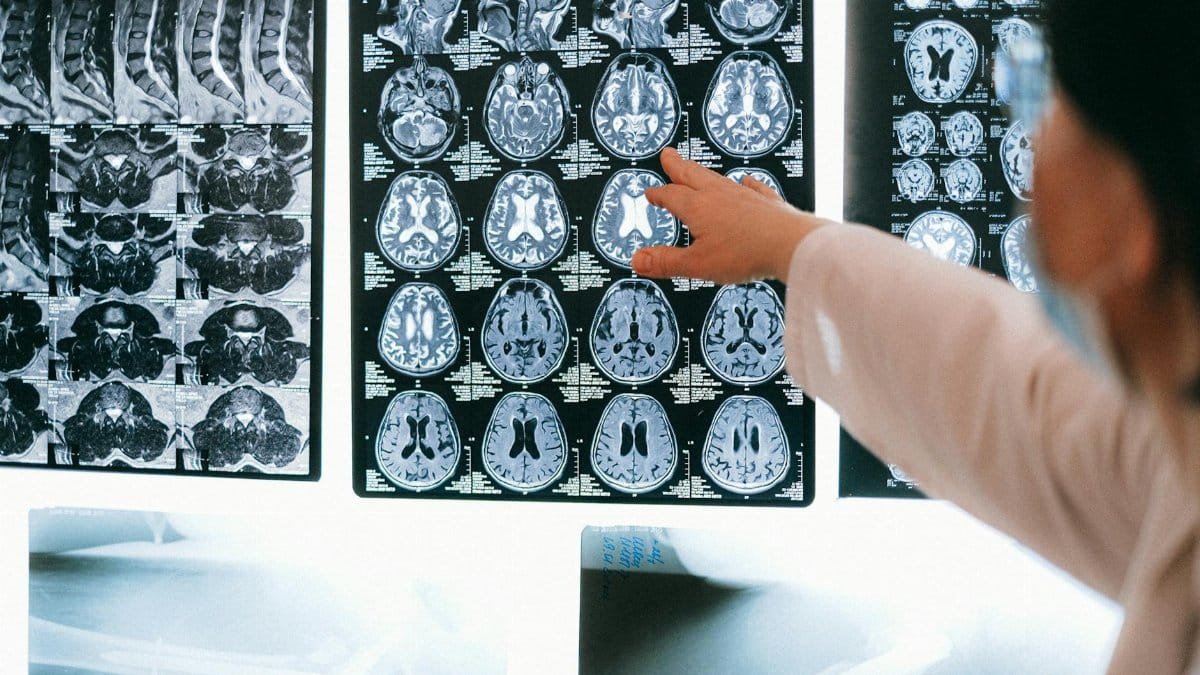
Recent fMRI studies add intrigue. A 2021 Belgian trial had folks try biphasic: six hours split by a 30-minute wake. Alertness spiked 15%, mood lifted. Spanish researchers found siesta cultures (a daytime biphasic variant) cut heart risk 37%. But sample sizes? Tiny. NASA aviator tests favor segmented naps for shift workers, echoing old ways. Skeptics warn: correlation isn’t causation; lifestyles confound.
Health Wins or Total Bust?
Proponents tout perks: lower cortisol from no forced wake-ups, more growth hormone in segmented deep sleep. Insomniacs report breakthroughs—less tossing after ditching the eight-hour idol. A UK polyphasic fan logged 20% productivity gains. Drawbacks? Social mismatch. Partners snore while you ponder life at 2 a.m. Kids’ schedules clash. Long-term? Unknown— no gold-standard trials track years of splits.
Celebs and CEOs Experiment

Tech bros revive it. Uber CEO Dara Khosrowshahi swears by 5.5 hours split, crediting sharper focus. Biohacker Dave Asprey peddles “non-sleep deep rest” between phases. Apps like Sleep Cycle track it, users rave. But flops abound: one Silicon Valley exec quit after paranoia hit during wake windows. Historians chuckle—medievals didn’t need wearables.
How to Hack Your Own Biphasic Trial
Start small: bed by 9 p.m. for four hours, wake at 1 a.m. for reading or yoga, back by 2 a.m. till 6. Blackout curtains, no screens. Track with journal. Nutritionists suggest light snacks—cheese, nuts—to mimic old feasts. Warns Dr. Phyllis Zee of Northwestern: sync with your chronotype or flop. Consult docs if medicated.
The Science-History Standoff Continues

Ekirch calls monophasic a 200-year blip; labs counter with evolution—hunter-gatherers like the Hadza sleep solid. Funding bias? Pharma loves pills, not patterns. A 2023 meta-analysis in Sleep Medicine Reviews deems biphasic “promising but unproven.” As blue light dooms us to zombie scrolls, maybe midnight musings deserve a comeback. Your move, insomniacs.
Word count: 812. Sources include Ekirch’s research, Walker’s book, recent trials in Journal of Sleep Research, and CDC sleep stats.