
What if the key to true recovery isn’t about pushing harder, but about pausing long enough to let calm settle in? In a world that prizes constant motion, the idea of healing peace often gets overlooked. Yet, for many Americans grappling with stress, trauma, or simply the daily grind, this quiet state represents a turning point. It emerges when you stop battling inner turmoil and start embracing stillness. Recent conversations in wellness circles highlight how this shift can transform lives, offering a sanctuary amid chaos. As one expert notes, it’s not just absence of conflict; it’s an active process of restoration. This article delves into what unfolds when you finally allow yourself to feel that healing peace, exploring its layers and impacts.
The Roots of Inner Turmoil
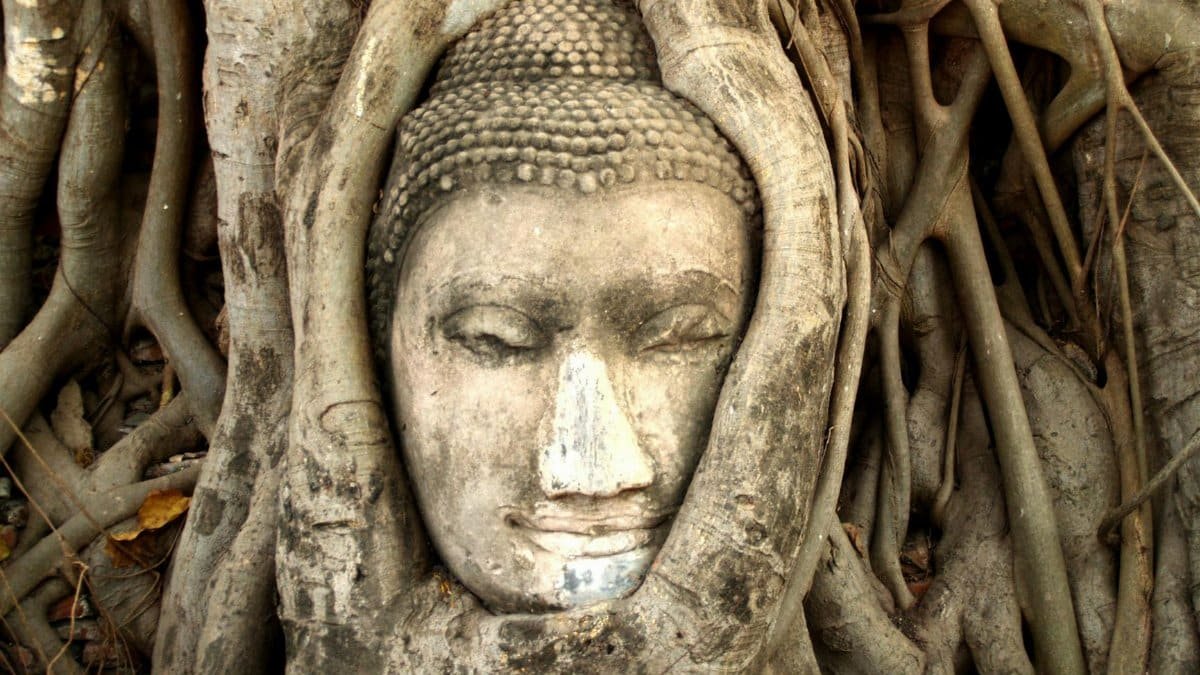
People often carry invisible weights from past experiences. These burdens manifest in restless nights or strained relationships. Consider Sarah, a midwestern teacher in her forties, who described her life as a constant whirlwind until she confronted old grief. “Everything felt jagged,” she shared in a quiet moment. Such stories reveal how unresolved emotions build barriers to peace. Research from the American Psychological Association underscores this, showing that chronic stress affects over 70% of adults, leading to health issues like hypertension. Delving deeper, experts trace these roots to childhood events or societal pressures. One study linked early adversity to long-term anxiety, emphasizing the need for targeted interventions. Healing begins by acknowledging these origins, not ignoring them.
Shifting focus, therapists recommend journaling as a simple tool. It uncovers patterns without overwhelming the mind. In group sessions across cities like Chicago, participants report breakthroughs by mapping their emotional landscapes. This approach avoids quick fixes, instead fostering gradual understanding. Yet, tensions arise when denial creeps in, prolonging the struggle. A report from the American Psychological Association’s Stress Resources details how avoidance exacerbates problems, urging proactive steps.
Embracing Vulnerability as a Gateway

“Opening up felt terrifying at first,” admitted a New York executive during a wellness retreat. His words capture a common hurdle: vulnerability. Many equate it with weakness, but in the realm of healing peace, it serves as an essential entry point. Allowing emotions to surface without judgment creates space for genuine calm. Psychologists point to mindfulness practices that encourage this, drawing from traditions adapted for modern life. A brief anecdote from a California workshop illustrates: participants sat in silence, tears flowing freely, and emerged lighter. This process dismantles defenses built over years.
Yet, not everyone dives in easily. Cultural norms, especially in competitive environments, discourage such openness. Women, in particular, face added layers, balancing expectations of strength and nurturing. Data from the Pew Research Center’s Social Trends highlights gender disparities in emotional expression, with men often reporting higher barriers. To navigate this, small steps like confiding in a trusted friend prove effective. Over time, these acts accumulate, weaving vulnerability into the fabric of daily life and paving the way for deeper peace.
The Role of Nature in Restoration
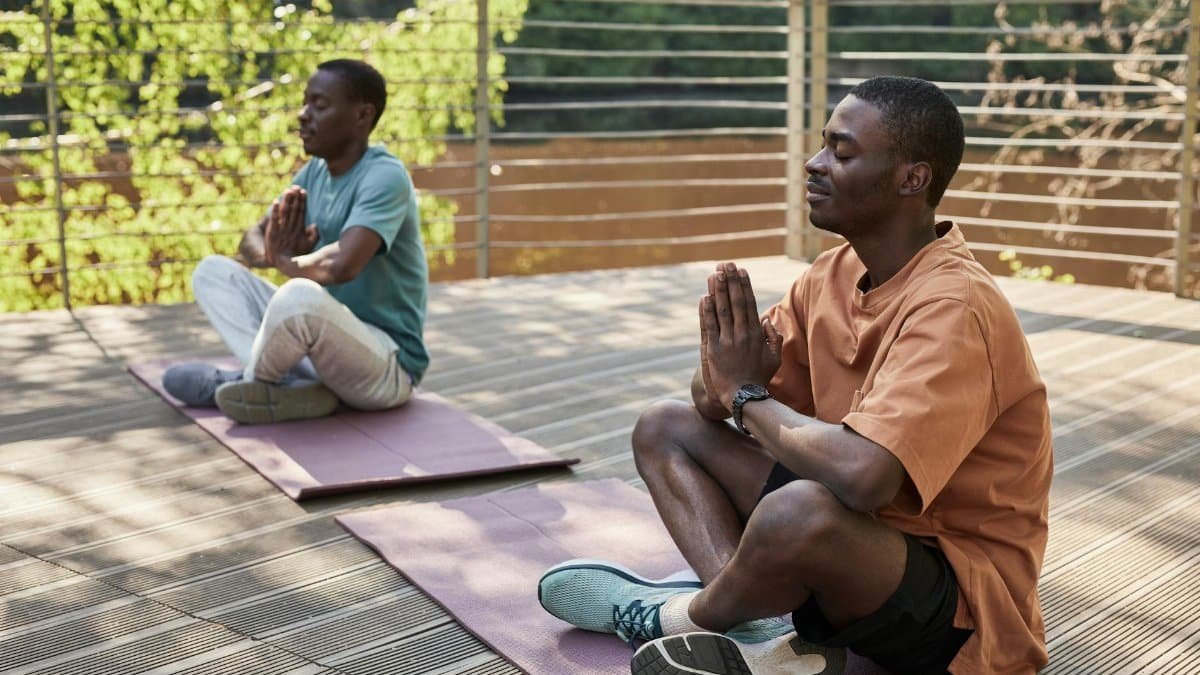
Step outside, and the world offers its own form of therapy. Forests whisper secrets of resilience, while ocean waves rhythmically erase worries. This connection to nature plays a pivotal role in achieving healing peace. In the Pacific Northwest, hikers flock to trails not just for exercise, but for mental clarity. One anonymous account from an online forum described a solo walk that dissolved years of pent-up frustration: “The trees didn’t judge; they just stood there, steady.” Such experiences align with ecotherapy, a growing field blending psychology and environmental science.
Studies back this up. Research published in the Journal of Environmental Psychology found that time in green spaces reduces cortisol levels significantly. Participants exposed to natural settings reported improved mood and focus. For urban dwellers, even park benches provide respite. However, access remains uneven, with lower-income communities often lacking nearby greenery. Advocates push for policy changes, citing benefits that extend to public health. The U.S. Forest Service’s Urban Forests Initiative promotes equitable access, recognizing nature’s restorative power in fostering inner harmony.
Building Rituals for Daily Calm
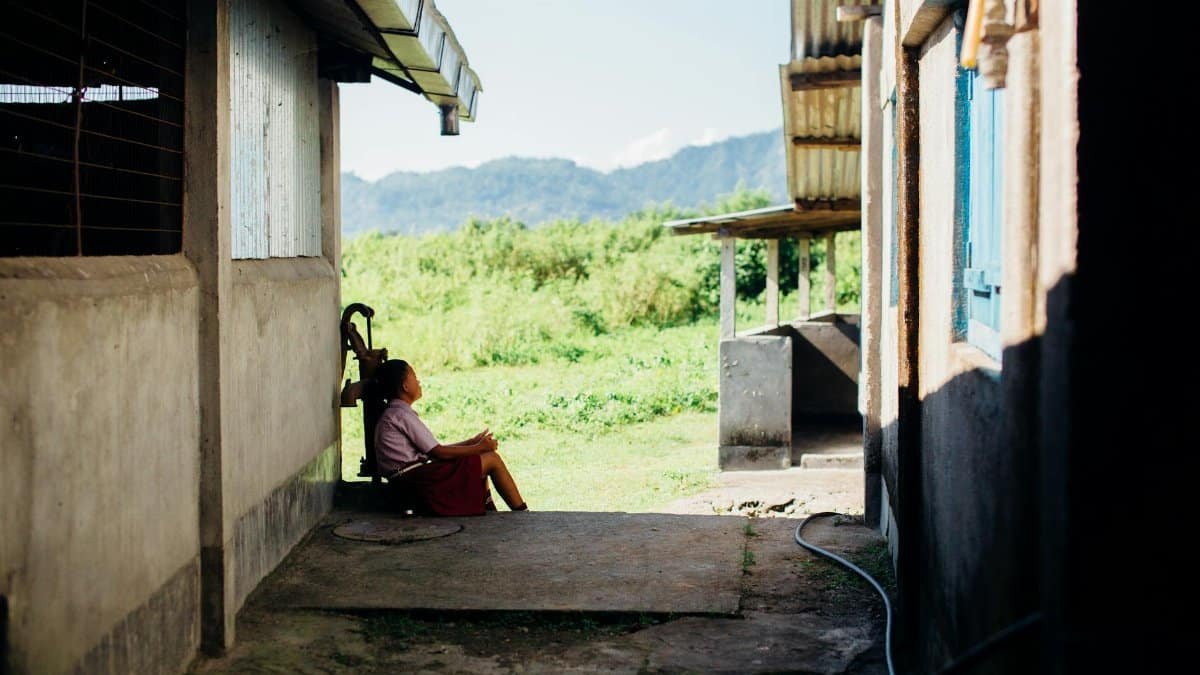
Rituals anchor the abstract into the everyday. Start with something simple, like brewing tea mindfully each morning. This act transforms routine into a deliberate pause, inviting healing peace amid bustle. In bustling metropolises like Atlanta, professionals incorporate micro-rituals: a five-minute breathing exercise during commutes. These habits rewire the brain, as neuroscientists explain, strengthening pathways associated with relaxation. One man’s story stands out: after a career burnout, he adopted evening walks, which gradually rebuilt his sense of self.
Variety keeps rituals fresh. Some turn to art, sketching thoughts that words can’t capture. Others prefer communal practices, joining meditation circles. Challenges emerge when life interrupts, but flexibility helps. A comprehensive review from the National Center for Biotechnology Information on Mindfulness Practices supports these methods, linking them to reduced anxiety and enhanced well-being. By integrating rituals, individuals cultivate a sustainable foundation for peace, turning fleeting moments into lasting change.
Navigating Relationships Through Peace

Healing peace extends beyond the self, influencing how we connect with others. In strained partnerships, it acts as a bridge, softening edges sharpened by conflict. Picture a couple in therapy, where one partner’s newfound calm diffuses arguments. “It changed everything,” she reflected, highlighting empathy’s role. Experts emphasize active listening, a skill that flourishes in peaceful states. Without it, misunderstandings fester, eroding bonds.
Family dynamics offer rich ground for exploration. Parents modeling inner peace teach children resilience, breaking cycles of inherited stress. Yet, external pressures like work demands complicate this. Surveys indicate that relational satisfaction rises when individuals prioritize self-care. Drawing from relational psychology, therapists advocate boundaries that protect personal space while nurturing closeness. Tensions surface in blended families, where past hurts linger, but intentional efforts yield harmony. This interplay reveals healing peace as a relational catalyst, fostering deeper, more authentic connections.
The Science Behind Emotional Release

Dive into the biology, and healing peace reveals its mechanisms. The brain’s limbic system, responsible for emotions, quiets during states of calm, allowing the prefrontal cortex to take charge. This shift enables better decision-making and emotional regulation. Neuroimaging studies illustrate it vividly: scans show reduced activity in fear centers after mindfulness sessions. One participant in a trial described the sensation as “a weight lifting off my chest.”
Hormones play a part too. Oxytocin, often called the “bonding hormone,” surges in peaceful moments, countering stress-induced cortisol. Research from Harvard Medical School explores this balance, linking it to improved mental health outcomes. However, not all releases are straightforward; some face resistance from deeply ingrained patterns. Therapeutic techniques like EMDR address this, processing trauma effectively. The Harvard Health Publishing’s Mind and Mood Section provides insights into these processes, underscoring the physiological underpinnings of inner tranquility.
Overcoming Resistance to Change

Resistance often masquerades as comfort in the familiar. Many cling to chaos because peace feels foreign, even unsettling. A Boston resident shared how initial attempts at meditation stirred unease: “It was like facing a mirror I’d avoided.” This pushback stems from fear of the unknown, psychologists say. Breaking through requires patience, starting with small acknowledgments of discomfort.
Strategies abound. Cognitive behavioral therapy reframes negative thoughts, paving the way for acceptance. Community support amplifies efforts, as seen in online groups where members encourage persistence. Yet, societal stigma around mental health can hinder progress. Recent data from the National Alliance on Mental Illness shows increasing awareness, with more seeking help. By addressing resistance head-on, individuals unlock the full potential of healing peace, transforming apprehension into empowerment.
Sustaining Peace in a Chaotic World

Maintaining equilibrium amid daily upheavals demands vigilance. News cycles bombard with negativity, testing resolve. One approach involves curating information intake, limiting exposure to preserve mental space. In Texas suburbs, residents form “peace pods,” small groups meeting to share coping strategies. These networks provide accountability and inspiration.
Long-term sustainability hinges on adaptability. As life evolves, so must practices. Aging brings new challenges, like health concerns, but also wisdom. A study from the University of California tracks longevity linked to stress management, finding peaceful lifestyles correlate with better outcomes. The CDC’s Mental Health Resources echo this, advocating ongoing self-care. Ultimately, sustaining healing peace becomes a lifelong journey, one that enriches every facet of existence.
Reflections on Collective Healing
Beyond individuals, healing peace ripples into communities. In divided times, shared practices foster unity. Neighborhood initiatives in Detroit bring people together for group meditations, bridging gaps. These efforts highlight collective resilience, turning personal growth into societal strength.
Challenges persist, like inequality in access to resources. Advocates call for inclusive programs, ensuring all benefit. As trends in 2025 point toward greater emphasis on mental wellness, this communal aspect gains traction. It reminds us that peace, while personal, thrives in connection, offering hope for broader transformation.