

In homes across America, dinner tables are increasingly featuring more fish as people in their middle years seek ways to bolster their wellbeing. From supporting cardiovascular function to maintaining cognitive sharpness and safeguarding eyesight, the right seafood choices can make a meaningful difference. Yet with supermarket shelves stocked with countless options and headlines warning about contaminants, confusion abounds. This is where healthiest seafood dietitians step in with clear guidance based on the latest research. These professionals cut through the noise to recommend options that deliver maximum nutritional value while minimizing risks. Their consensus points to several standout choices that deserve a regular place in your rotation.
Salmon Rises to the Top of Expert Lists

Salmon consistently earns top marks from nutrition professionals for its exceptional nutrient density. Packed with omega three fatty acids known as EPA and DHA, it helps reduce systemic inflammation that tends to increase with age. For readers navigating their 40s 50s and 60s this can mean more stable energy levels and fewer nagging aches that interfere with daily life.
Both wild caught Alaskan varieties and responsibly farmed options provide high quality protein that supports muscle maintenance at a time when sarcopenia becomes a concern. Salmon also delivers generous amounts of vitamin D and B12 two nutrients many adults lack due to less time outdoors and changes in metabolism. Studies suggest regular consumption may help maintain healthier triglyceride levels and support arterial flexibility. One analysis published by the American Heart Association links two servings weekly to measurable cardiovascular improvements. (American Heart Association)
Healthiest seafood dietitians often suggest starting with simpler preparations such as baking with fresh herbs and olive oil to preserve the beneficial fats rather than masking them with heavy sauces.
Sardines Provide Exceptional Value and Nutrients

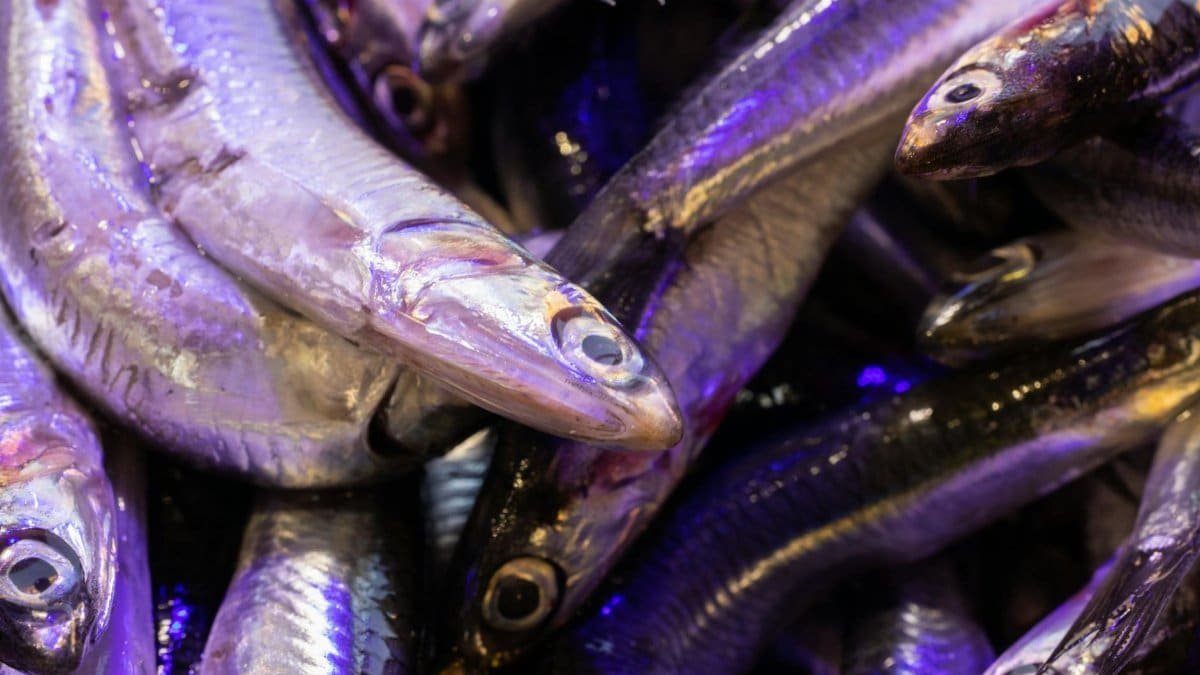
Small fish like sardines represent one of the most efficient ways to obtain omega three fatty acids without heavy metal accumulation. Because they sit low on the food chain they contain far less mercury than larger predatory species while delivering calcium when consumed with their edible bones. This makes them particularly valuable for women concerned about bone density after menopause.
Nutrition experts point out that a single can of sardines offers more than a full days requirement for vitamin B12 along with selenium and phosphorus. Their affordability and long shelf life remove common barriers that prevent consistent seafood consumption. Research from the Global Burden of Disease Study connects higher intake of such fatty fish to lower rates of cognitive decline in aging populations. (The Lancet)
Many middle aged Americans remember sardines only from childhood cans yet contemporary preparations using fresh lemon zest and whole grain mustard transform them into quick gourmet meals.
Mackerel Brings Robust Flavor and Health Benefits
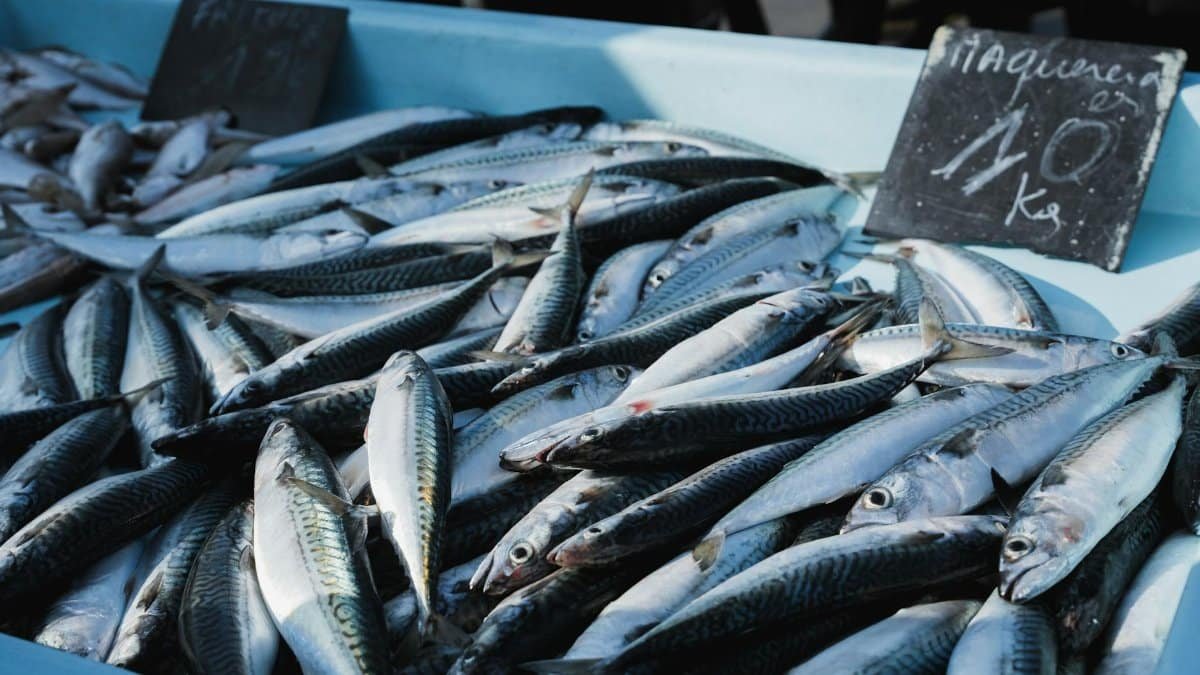
Atlantic mackerel offers a bold taste that appeals to those seeking variety beyond mild white fish. Its oil rich flesh contains among the highest concentrations of DHA an omega three fatty acid crucial for brain cell membrane integrity. Dietitians note that this particular nutrient becomes increasingly important after age 50 when natural DHA levels in the brain begin to decrease.
One serving provides nearly 20 grams of high quality protein along with significant amounts of vitamin D and magnesium. These nutrients work together to support both mood regulation and blood pressure management two areas of growing concern for many in midlife. The Washington Post recently explored how such fish rank among the most nutrient dense proteins available to consumers. (Washington Post)
The Critical Importance of Omega Three Fatty Acids

Omega three fatty acids play foundational roles in cellular health yet most Americans consume far too few. These essential fats cannot be manufactured by the body and must come from diet. Healthiest seafood dietitians emphasize that marine sources provide the most bioavailable forms compared with plant based ALA found in flaxseeds.
Regular intake supports the resolution of chronic low grade inflammation linked to heart disease diabetes and certain cancers. For brain health DHA constitutes a major structural component of neurons and helps maintain fluidity in cell membranes. Clinical trials have shown improvements in memory tasks among older adults supplementing with these compounds though whole food sources remain preferable.
How Seafood Supports Cognitive Health in Midlife
Many people first notice subtle changes in recall speed or mental stamina during their late 40s. Emerging research suggests dietary patterns rich in fatty fish may help slow such changes. The omega three DHA accumulates in brain tissue where it supports synaptic plasticity the mechanism underlying learning and memory formation.
Population studies following thousands of participants over decades consistently show that those consuming fish at least twice weekly demonstrate lower rates of cognitive impairment later in life. Beyond omega threes seafood provides zinc iodine and high quality protein all necessary for neurotransmitter production and thyroid function which indirectly influences mental clarity.
Cardiovascular Advantages Backed by Scientific Evidence

Heart disease remains the leading cause of death for both men and women yet lifestyle factors including diet can significantly alter risk trajectories. The American College of Cardiology endorses regular seafood consumption as part of a heart healthy eating pattern. Omega three fatty acids help maintain normal heart rhythms reduce triglycerides and improve endothelial function.
Clinical data indicates that individuals who eat fatty fish regularly show lower incidence of sudden cardiac events. These benefits appear particularly pronounced when seafood replaces red and processed meats rather than simply being added to an already high fat diet. Moderate portions prepared simply deliver these advantages without excess calories.
Maintaining Sharp Vision With Strategic Choices

Age related macular degeneration and dry eye syndrome become more common after 50. The same DHA concentrated in brain tissue also comprises a major part of retinal photoreceptors. Research published in JAMA Ophthalmology associates higher dietary intake of EPA and DHA with reduced risk of advanced macular changes. (JAMA Ophthalmology)
Additionally zinc found abundantly in shellfish supports retinal pigment health. Choosing seafood two to three times weekly provides these nutrients in forms the body absorbs efficiently. Many optometrists now routinely discuss dietary strategies alongside traditional vision care.
Understanding and Minimizing Mercury Exposure

Concern about mercury often prevents people from enjoying seafoods benefits. Healthiest seafood dietitians stress that not all fish carry the same risk profile. Larger long lived predatory fish such as swordfish shark and king mackerel accumulate higher methylmercury levels and should be avoided or severely limited especially for women of childbearing age.
In contrast salmon sardines mackerel and anchovies present very low mercury burdens while offering high omega three content. This favorable ratio makes them ideal choices for regular consumption. Guidelines from the Food and Drug Administration and Environmental Protection Agency provide clear charts separating best choices good choices and choices to avoid. (FDA Fish Advice)
Why Sustainability Should Guide Your Purchases

Environmental stewardship adds another dimension to seafood decisions. Overfishing threatens many species yet well managed fisheries and responsible aquaculture continue to supply nutritious options. Monterey Bay Aquarium Seafood Watch program offers regularly updated recommendations that balance health concerns with ecological impact. (Seafood Watch)
Choosing sustainably harvested or farmed fish supports ocean health for future generations. Many consumers report greater satisfaction knowing their dinner choices align with broader values of planetary care. This consideration increasingly influences how health focused individuals build their weekly menus.
Practical Advice From Healthiest Seafood Dietitians

Healthiest seafood dietitians recommend starting small if fish consumption has been infrequent. Begin with familiar mild flavored options like salmon before exploring sardines or mackerel. Keep preparation methods straightforward to highlight natural flavors and preserve delicate fats. Frozen wild caught fillets offer convenience and quality comparable to fresh at often lower cost.
They also suggest pairing seafood with colorful vegetables and whole grains to create balanced plates that stabilize blood sugar. Canned varieties packed in water or olive oil provide quick protein solutions for busy weekdays. Reading labels to avoid added sugars and excessive sodium ensures maximum health returns.
Creative Preparation Methods for Busy Schedules

Time constraints prevent many from cooking elaborate meals yet seafood often requires less time than red meat. Sheet pan dinners combining salmon with asparagus and cherry tomatoes emerge from the oven in under 20 minutes. Leftover cooked fish transforms into lunchtime salads when mixed with avocado celery and herbs.
Air fryers have made crispy sardines or mackerel fillets accessible without deep frying. Many home cooks now batch grill several portions at once then incorporate them throughout the week into tacos bowls and frittatas. These strategies help maintain consistency without demanding daily kitchen heroics.
Addressing Common Concerns About Seafood Consumption

Some middle aged adults hesitate due to past experiences with overly fishy odors or textures. Selecting fresher products from reputable sources dramatically improves results. Proper storage matters freezing immediately after purchase preserves quality. Simple techniques like soaking strong flavored fish in milk for 20 minutes can mellow tastes for sensitive palates.
Cost represents another frequent barrier. Dietitians point toward canned sardines mackerel and frozen salmon as economical alternatives to fresh wild caught fillets. These options maintain nutritional integrity while fitting most household budgets. Gradually increasing frequency from once monthly to twice weekly allows both palate and wallet to adjust comfortably.
Ultimately the healthiest seafood dietitians encourage viewing these foods not as medicine but as enjoyable components of a vibrant diet. When selected mindfully and prepared simply they offer profound benefits for heart brain and eye health during the decades when such support matters most. Small consistent choices compound over time creating resilience that enhances quality of life well into later years. The ocean provides remarkable resources. How we choose to incorporate them remains one of the more empowering decisions available to us.