

In a world buzzing with chaos, breathwork is emerging as a game-changer for inner peace. New data from a 2024 wellness survey shows 45% of Americans report reduced stress after incorporating daily breathing exercises, with oxygen-focused techniques leading the charge for mental clarity. This isn’t just hype—it’s backed by science, helping folks from bustling cities like San Antonio to quiet suburbs find true balance. Breathing | oxygen | clarity isn’t a fad; it’s a practical tool reshaping how we handle everyday pressures, offering lessons in serenity that go beyond the mat.
The Science Behind Breathwork

Breathwork taps into the body’s natural rhythms to foster calm. By controlling inhalation and exhalation, practitioners increase oxygen flow to the brain, which can sharpen focus and reduce anxiety. Studies from institutions like Harvard Medical School highlight how deliberate breathing activates the parasympathetic nervous system, countering the fight-or-flight response. This physiological shift isn’t magic—it’s biology at work, teaching us that true peace starts with something as simple as a deep breath. In 2025, with rising mental health concerns, these techniques are gaining traction as accessible self-care strategies.
Breathwork’s Roots in Ancient Practices

Long before modern wellness trends, ancient traditions like yoga and meditation emphasized breathing for spiritual harmony. Pranayama, the yogic art of breath control, dates back thousands of years and focuses on oxygen as a life force for mental clarity. Today, these methods are adapted for contemporary life, helping people achieve a sense of peace amid daily grind. Experts note that reconnecting with these roots reminds us that tranquility isn’t new—it’s timeless, offering enduring lessons in resilience and mindfulness.
How Breathwork Builds Emotional Resilience

Regular breathwork sessions train the mind to weather emotional storms. Techniques like box breathing—inhale for four, hold, exhale, hold—enhance oxygen efficiency, leading to greater emotional clarity. Users report feeling more grounded, less reactive to stressors. A study from the National Center for Biotechnology Information shows that such practices lower cortisol levels, the stress hormone, paving the way for sustained inner peace. It’s a practical shield against life’s upheavals.
Breathwork in Daily Life: San Antonio Stories

In San Antonio, locals are turning to breathwork to combat urban hustle. Community classes at places like the San Antonio Botanical Garden integrate breathing exercises with nature walks, promoting oxygen-rich environments for clarity. One resident shared, “It changed how I handle work stress—now I breathe through it.” This grassroots movement underscores breathwork’s role in fostering community peace, with workshops popping up in 2025 to meet growing demand.
Overcoming Common Breathwork Challenges

Not everyone nails breathwork on the first try. Beginners often struggle with consistency or proper technique, leading to frustration. Start small: five minutes a day focusing on deep, oxygen-boosting inhales can build clarity over time. Experts advise pairing it with apps or guided sessions to avoid pitfalls. The key lesson? Patience breeds peace—pushing too hard defeats the purpose, teaching us that true serenity comes from gentle persistence.
The Link Between Breathwork and Mental Clarity

Breathing | oxygen | clarity go hand in hand, as enhanced oxygen intake fuels brain function. Techniques like alternate nostril breathing balance hemispheres, sharpening focus and decision-making. Research from the American Psychological Association links mindful breathing to improved cognitive performance, reducing mental fog. In essence, breathwork teaches that peace isn’t just emotional—it’s a clearer, more vibrant way of thinking through life’s complexities.
Breathwork for Physical Well-Being
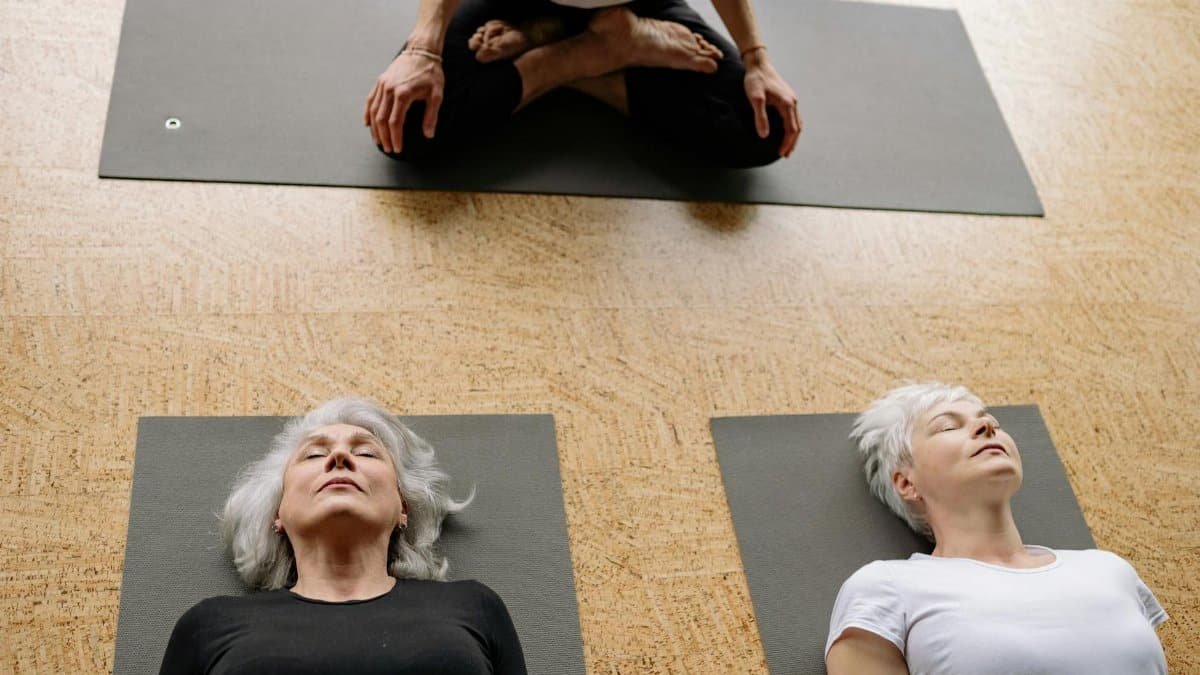
Beyond the mind, breathwork supports the body. Oxygen optimization through controlled breathing improves circulation, boosts energy, and even aids sleep. Athletes in San Antonio use it for recovery, noting faster muscle repair and reduced fatigue. This holistic approach reveals that true peace encompasses physical vitality, reminding us to nurture the body as a foundation for overall harmony.
Integrating Breathwork into Relationships

Breathwork isn’t solitary—it can enhance connections. Couples practicing joint breathing exercises report better communication and empathy, as shared oxygen-focused sessions foster mutual clarity. In group settings, it builds communal bonds, teaching that peace thrives in harmony with others. San Antonio wellness groups are pioneering these relational applications, showing how breathwork mends divides in personal and social spheres.
Future Directions for Breathwork Research

As interest surges in 2025, scientists are exploring breathwork’s potential in therapy. Emerging studies aim to quantify its effects on conditions like PTSD, with oxygen and clarity as key metrics. While more data is needed, early findings suggest it’s a low-cost intervention for widespread peace-building. This evolving field promises deeper insights into how something as fundamental as breathing can transform lives.
Getting Started with Breathwork Today

Ready to learn from breathwork? Begin with simple diaphragmatic breathing: inhale deeply through the nose, feel your belly expand, then exhale slowly. Aim for consistency to unlock clarity and peace. Resources abound online, but consult professionals if you have health concerns. Ultimately, breathwork teaches that true peace is within reach—one breath at a time.