
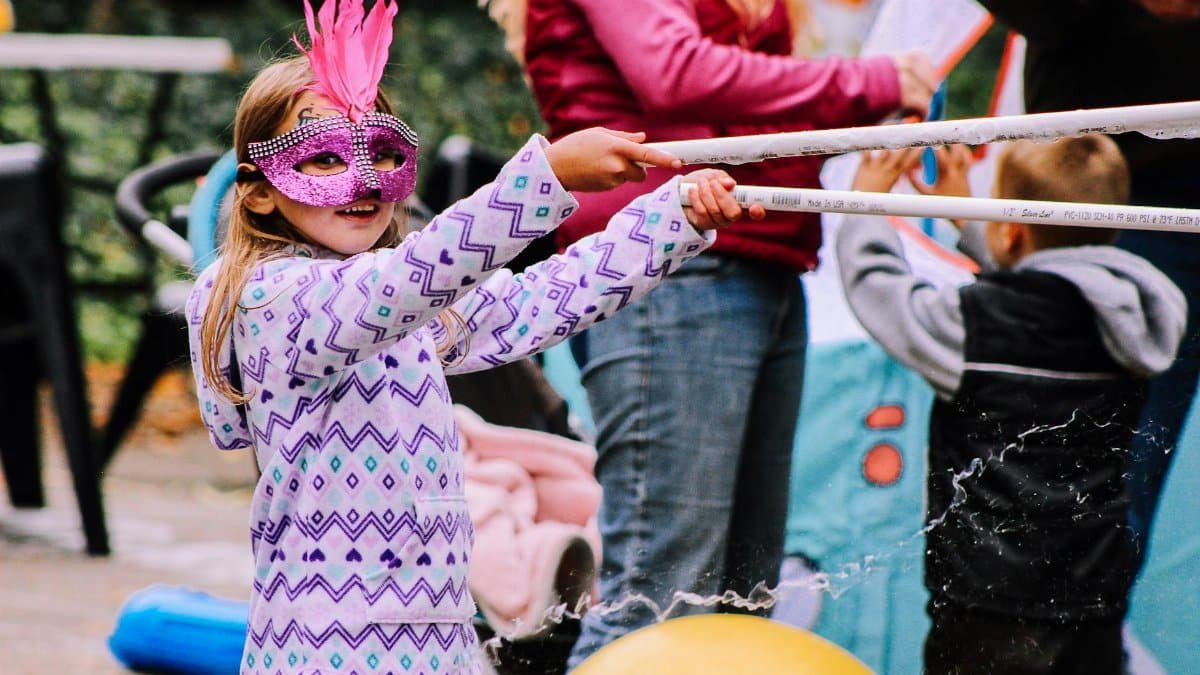
West Virginia Public Broadcasting is calling on young storytellers across the state to submit their entries for the 2026 PBS KIDS Writers Contest, with submissions due by March 31. This annual initiative, known locally as the west virginia pbs kids contest, aims to spark creativity and bolster literacy skills among the next generation of readers and writers. As families navigate an evolving educational landscape, the contest offers a bright spot amid heated debates in Charleston over policies that could reshape schooling and household finances. According to WV Public, these parallel developments highlight both opportunities and challenges in West Virginia’s push to nurture young minds.
Understanding the West Virginia PBS KIDS Writers Contest
At its core, the west virginia pbs kids contest represents a grassroots effort by West Virginia Public Broadcasting to engage students in the power of narrative. Organizers are actively seeking entries for the 2026 edition, framing it as more than just a competition—it’s a platform designed to cultivate essential skills. With a firm deadline of March 31, the contest invites participants to channel their imaginations into stories that resonate, fostering a love for language at a pivotal age. This initiative underscores Public Broadcasting’s longstanding commitment to educational programming that reaches every corner of the state.
The Role of Storytelling in Building Literacy
Encouraging young students to build literacy and storytelling skills lies at the heart of the contest’s mission. In an era where reading proficiency can shape lifelong opportunities, such programs provide hands-on practice that goes beyond traditional classroom drills. Research from the National Endowment for the Arts has long shown that narrative creation enhances vocabulary and comprehension, directly aligning with the contest’s goals. By prompting kids to craft their own tales, West Virginia Public Broadcasting is investing in tools that equip students for academic success and creative expression alike.
A Deadline You Can’t Miss: March 31
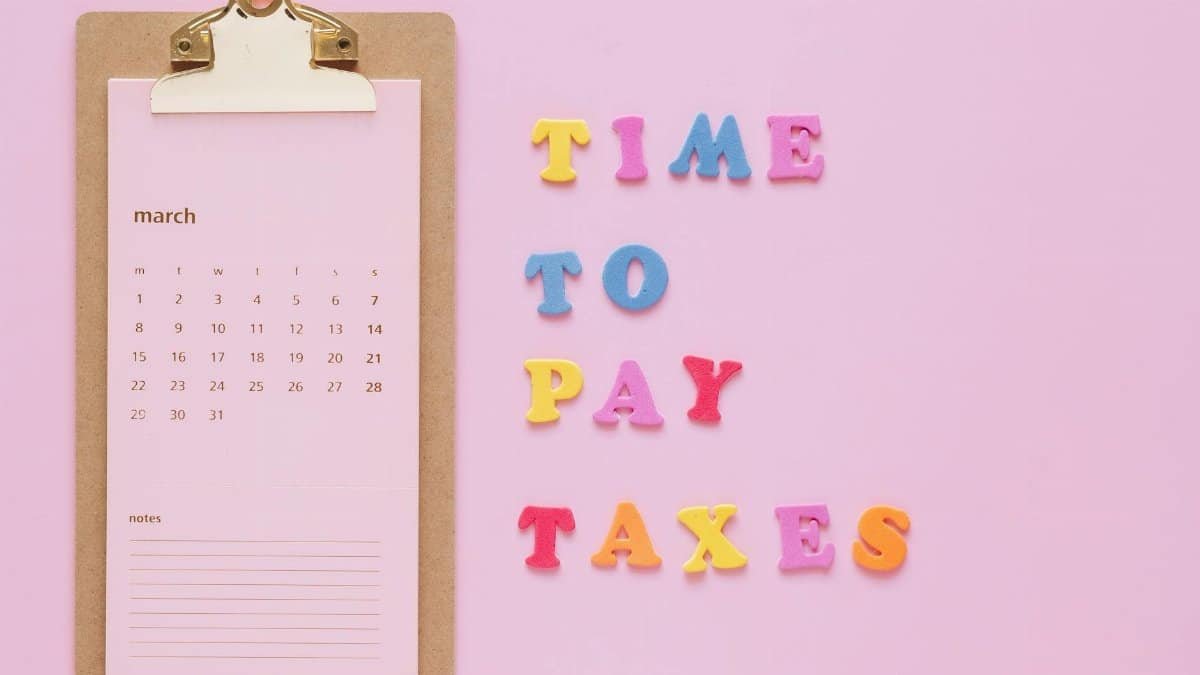
The March 31 cutoff for the 2026 west virginia pbs kids contest adds urgency to this call for entries. As reported by WV Public, this date serves as a rallying point for educators, parents, and children eager to participate. Missing it means waiting another year, so the push is on now to help young writers polish their submissions. This structured timeline not only builds anticipation but also mirrors the disciplined world of professional storytelling, teaching participants about deadlines in a gentle, supportive way.
Education Under the Spotlight in Charleston
While the west virginia pbs kids contest celebrates youthful creativity, lawmakers in Charleston are locked in intense discussions that could redefine education for thousands. These debates, unfolding against a backdrop of fiscal and policy pressures, touch on fundamental questions about access, regulation, and family choice. The convergence of creative initiatives like the PBS contest with these legislative maneuvers paints a fuller picture of West Virginia’s educational priorities, where innovation meets governance.
Unpacking the Controversial Ratepayers Bill of Rights
Central to the current legislative fray is the “Ratepayers Bill of Rights,” a proposal sparking fierce debate among Charleston lawmakers. Critics and supporters alike see it as a potential game-changer for utility landscapes, affecting how families manage essential services like power and water. As WV Public notes, the bill’s controversy stems from its bold approach to consumer protections versus industry concerns, creating ripples that extend into household budgets. For families already stretched thin, these changes could influence everything from monthly bills to long-term financial planning.
Significant Shifts in Homeschooling Requirements
Adding another layer to the education conversation are proposed significant changes to homeschooling requirements. Lawmakers are weighing alterations that could impose new standards or streamline processes, profoundly impacting how parents educate at home. This push reflects broader tensions between state oversight and parental autonomy, with potential effects on enrollment, resources, and curriculum flexibility. In a state where homeschooling has grown steadily, these modifications carry weight for families seeking tailored learning paths.
Interconnected Impacts on Families and Communities
The debates over the Ratepayers Bill of Rights and homeschooling requirements are heavily impacting both education and utility landscapes, creating a complex web for West Virginia households. Utility costs directly influence family stability, which in turn affects educational focus—whether in public schools, homes, or creative outlets like the PBS contest. These policy battles highlight how interconnected everyday essentials are with learning opportunities, urging a balanced approach that supports both affordability and academic growth.
Why the PBS KIDS Contest Stands Out Amid the Noise
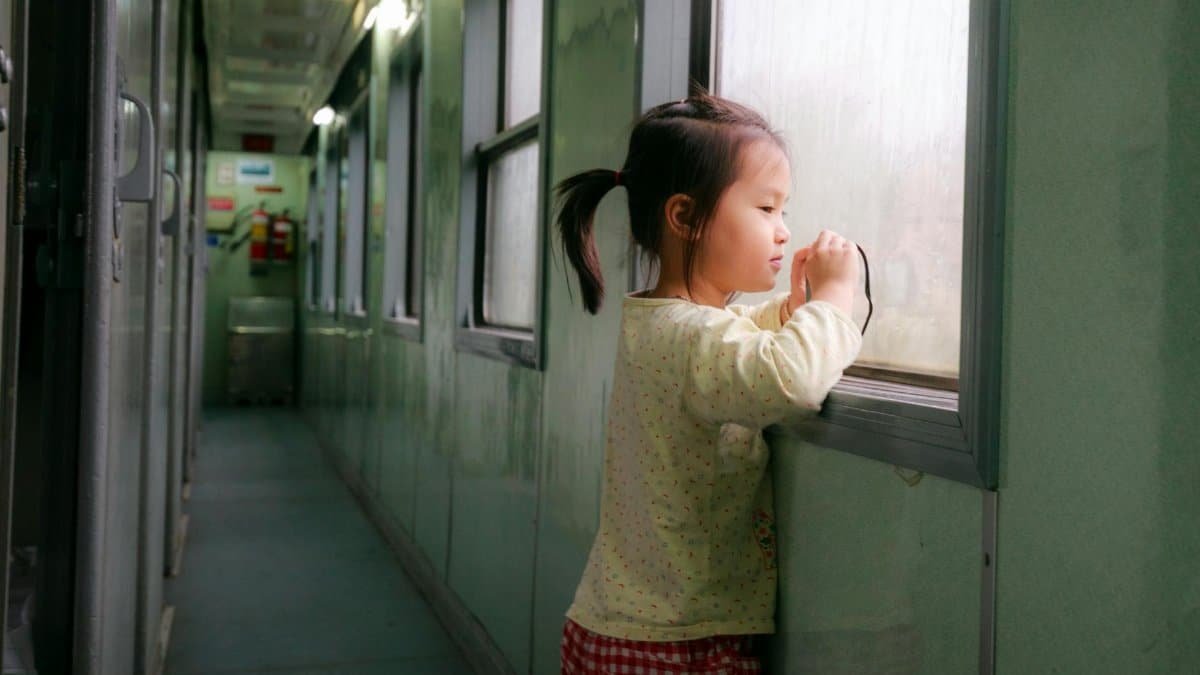
In this charged environment, the west virginia pbs kids contest emerges as a beacon of uncomplicated inspiration. By zeroing in on literacy and storytelling, it sidesteps partisan divides to deliver tangible benefits for young students. West Virginia Public Broadcasting’s effort reminds us that amid policy upheavals, simple acts of encouragement can build resilience and skills that endure. It’s a timely reminder that education thrives not just through laws, but through stories that ignite young imaginations.
As Charleston deliberates, the contest’s March 31 deadline beckons families to prioritize creativity. Whether grappling with utility reforms or homeschool shifts, West Virginians can find common ground in nurturing the next generation’s voices. For more details, check out coverage from WV Public, where the full story unfolds.