
In the fluorescent glow of a Wendys drive-thru on a frigid February evening, a single mothers frustration boiled over. She had budgeted for the usual 99 cent Frosty to cap a tough day, only to stare at a digital menu board flashing $1.69. Wendys surge pricing, the fast food chains bold foray into dynamic pricing, had just become personal. CEO Kirk Tanner unveiled plans earlier that month to install digital menus in thousands of U.S. locations, capable of adjusting prices based on demand. What followed was a torrent of consumer fury, memes, and boycott calls, forcing Wendys to clarify its intentions amid accusations of price gouging. This episode exposes deeper tensions in Americas fast food landscape, where affordability clashes with corporate innovation.
The CEOs Pitch That Backfired

Kirk Tanner, Wendys chief executive, first floated the idea during a February earnings call. He described digital menu boards as a tool to showcase promotions and, crucially, enable dynamic pricing. The technology, he said, would allow prices to rise during peak hours or fall when lines thinned. Investors cheered the prospect, with shares jumping 7 percent that day. But the public heard surge pricing, evoking Ubers controversial model where rides double or triple in busy times. Wendys surge pricing swiftly trended on social media, amplified by influencers decrying it as a cash grab on the working class. By weeks end, the company faced a PR nightmare.
Unpacking Dynamic Pricing Mechanics

At its core, dynamic pricing adjusts costs in real time based on supply, demand, and other factors. Airlines have long mastered it, filling seats at varying rates. Hotels tweak room rates nightly. Even Starbucks experiments with app based surges for popular drinks. For Wendys, the pitch was efficiency: higher prices at lunch rush to manage crowds, discounts during lulls to boost volume. Yet the term surge pricing carries baggage. Coined by Uber, it implies exploitation, not optimization. Critics argue it punishes loyal customers who show up at bad times, eroding the value proposition of fast food as a cheap, reliable escape.
Wendys Swift Clarification

Within days, Wendys backpedaled. Tanner took to CNBC, insisting the company had no plans for Uber style surges. Digital boards, he explained, would primarily highlight deals, like two for five dollar burgers during slow periods. Surge pricing was never the goal, just a misunderstood feature of the tech. A company spokesperson echoed this in a statement: We price consistently across all dayparts. The episode, detailed in a Restaurant Dive report, underscores how Wall Street jargon can alienate Main Street. Still, skeptics wondered if the genie was truly back in the bottle.
Consumer Backlash Ignites Online

Twitter erupted first. Hashtags like #BoycottWendys and #WendysSurgePricing amassed millions of views. One viral post showed a mocked up menu with a $10 Big Mac during rush hour. Comedians piled on; TikTok skits portrayed families fleeing to Taco Bell. Polls on Reddit fast food forums showed 80 percent of respondents vowing to switch chains. Middle America, already strained by 4 percent menu price hikes over the past year, saw this as the final straw. Wendys surge pricing became shorthand for corporate greed, tapping into broader resentments over inflation and shrinking portions.
Parallels to Uber and Airlines
Wendys isnt pioneering the concept. Ubers surge pricing, introduced in 2012, drew similar ire but proved profitable, contributing to billions in revenue. Airlines yield manage relentlessly; a cross country flight can cost $200 midweek or $800 on holiday eve. Even Amazon adjusts product prices by the minute. Proponents say it democratizes access: lower prices draw in budget conscious diners off peak. Detractors counter that it feels predatory, especially for impulse buys like fries. A 2023 study by the Federal Trade Commission on dynamic pricing in retail found mixed consumer reactions, with transparency key to acceptance (FTC report).
Stock Volatility in the Aftermath
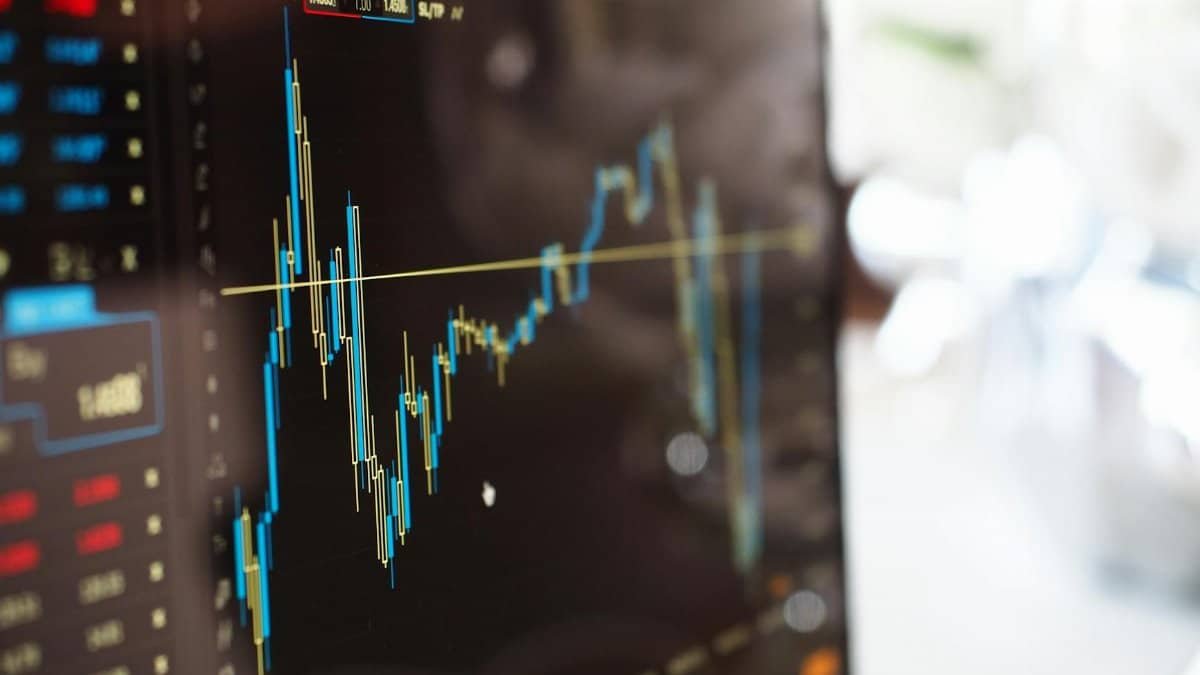
Markets initially rewarded the announcement. Wendys stock climbed to a 52 week high, reflecting analyst optimism over margin expansion. Dynamic pricing could add 1 to 2 percent to profits, some estimated, vital amid labor shortages and beef costs up 10 percent yearly. But backlash reversed gains; shares dipped 3 percent as boycott threats loomed. Analysts at BTIG noted the episode highlighted fast foods vulnerability to social media mobs. Long term, investors eye whether Wendys can thread the needle: innovate without alienating its core value driven base.
Fast Food Rivals Watching Closely
McDonalds, with its recent digital menu tests, stayed mum. Burger King experimented with AI driven pricing in select markets last year, quietly. Chipotle uses app surges for guac during peaks. The industry, facing stagnant traffic and 20 percent wage hikes, craves revenue tricks. Yet none have embraced the surge label. A Nation’s Restaurant News survey post Wendys flap found 65 percent of executives wary of dynamic pricing due to optics (NRN analysis). Competitors may adopt stealth versions, sans the buzzwords.
Eroding Trust in an Inflation Weary Era

Americans spent $1,200 per capita on food away from home last year, up 5 percent, yet satisfaction lags. Wendys surge pricing saga taps into fatigue with sneaky fees and shrinking servings. Gallup polls show trust in big business at 18 percent lows. For chains like Wendys, built on everyday low prices, any whiff of variability risks backlash. Psychologists note loss aversion: a price hike stings twice as much as a discount delights. Rebuilding goodwill now falls to Tanner, via value menus and transparency pledges.
Historical Precedents in Quick Service

Flash back to 2008: Taco Bells value menu quelled surge fears during recession. Dominos pizza turnaround hinged on honest pricing. Wendys own 99 cent menu, launched in 1989, defined affordability. Dynamic experiments arent new; some drive thrus tested happy hour deals in the 90s. But digital ubiquity changes everything. AI algorithms could personalize prices per car, per app user. Ethicists warn of a two tiered system: app savvy get deals, walk ups pay more. Wendys may pioneer or pioneer caution.
Expert Views on the Road Ahead
Joe Marinucci, a restaurant consultant, predicts hybrid models: surges masked as flash sales. We saw this at Shake Shack, where limited time offers spike during demand, he told Bloomberg. Economists like Austan Goolsbee argue dynamic pricing allocates resources better, citing Ubers 30 percent ridership boost post surge. Consumer advocates, however, push for regulations. In Europe, Frances ban on dynamic fuel pricing offers a model. For U.S. fast food, the debate boils down to balance: profits versus perception.
Lessons for Corporate Communicators

Wendys misstep was semantic. Call it demand based optimization, not surge. Future rollouts demand pilots in friendly markets, like tech savvy urban spots. Training staff to explain changes helps too. Broader lesson: in polarized times, preview moves with focus groups. Wendys surge pricing, born of ambition, reminds executives that innovation must court the customer, not just Wall Street. As menus digitize nationwide, chains ignore the publics voice at peril.
The dust settles, but vigilance remains. Wendys digital pivot continues, boards rolling out this year. Will it deliver the promised efficiencies without reigniting fury? Time, and lunchtime lines, will tell. For now, that single mother at the drive thru embodies a nation demanding fairness amid flux.