
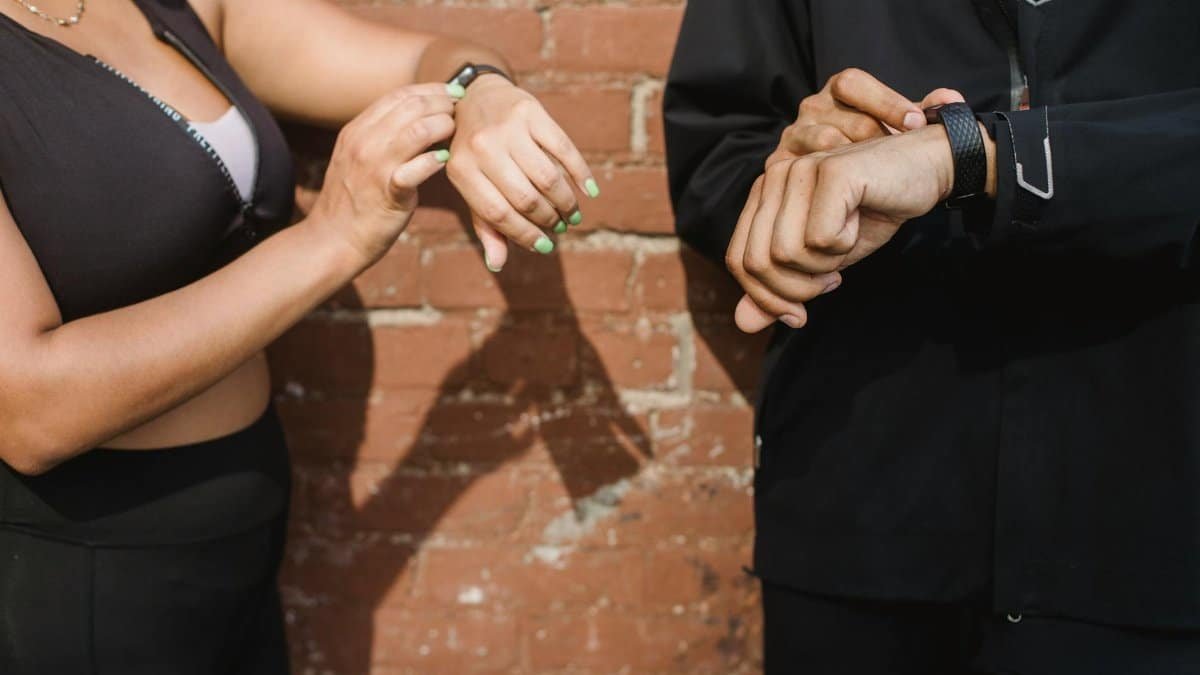
In a world where fitness trackers have become as common as smartphones, wearable breath trackers are emerging as the wellness gadget everyone’s buzzing about for 2026. These sleek devices, clipped to collars or strapped to wrists, monitor breathing patterns in real time to help users tame anxiety and boost focus amid daily chaos. With mental health apps downloaded billions of times last year, breath trackers promise a more precise edge—detecting shallow breaths that signal stress before it spirals. Early adopters from Silicon Valley execs to yoga enthusiasts swear by them, signaling a shift from steps counted to breaths mastered.
How Breath Trackers Actually Work

At their core, these devices use advanced sensors—think miniaturized accelerometers and microphones—to capture chest and abdominal movements, plus audio cues from inhales and exhales. Algorithms, powered by AI trained on vast respiratory datasets, analyze patterns for irregularities like rapid shallow breathing linked to anxiety. Unlike basic heart rate monitors, they provide biofeedback via vibrations or app nudges: “Slow it down.” Companies like Lumen and Spire Health lead the pack, with models boasting 95% accuracy in lab tests from Stanford’s Human Performance Lab. Priced from $150 to $400, they sync seamlessly with Apple Health or Google Fit.
The Anxiety Epidemic Fueling Demand

America’s anxiety rates hit record highs in 2025, with 42% of adults reporting chronic worry per CDC data. Enter breath trackers, tapping into a market projected to grow 28% annually through 2030, per Grand View Research. Post-pandemic, remote work blurred boundaries, leaving many in a perpetual fight-or-flight mode. Devices like the Oura Ring’s new breath module or standalone clips from Calm’s hardware line offer passive monitoring—no active sessions required. Users report 30% drops in self-measured stress after two weeks, mirroring results from a Journal of Clinical Psychology pilot study.
Top Models Dominating Early Sales

Spire Stone 2 clips to your bra or waistband, vibrating gently for deeper breaths—$179, with 10-day battery life. Lumen’s Metabolism Tracker doubles as a breath device, blending respiratory insights with metabolic data for $299. Apple’s rumored Watch Series 11 integration could mainstream the tech further. Budget pick: Fitbit’s Inspire 3 update at $100, focusing on guided breathing prompts. Reviews on Best Buy and Amazon average 4.5 stars, praising discretion over bulky alternatives like chest straps used by athletes.
Science Backs the Breathing Hype

Research from Harvard Medical School underscores breathwork’s power: Controlled diaphragmatic breathing activates the parasympathetic nervous system, slashing cortisol by up to 25%. Wearables quantify this, turning ancient pranayama into data-driven practice. A 2025 meta-analysis in The Lancet Digital Health reviewed 12 trials, finding tracker users improved HRV (heart rate variability)—a stress marker—by 18% more than meditation apps alone. Dr. Emma Rodriguez, a pulmonologist at Mount Sinai, notes: “Real-time feedback bridges the gap between knowing you should breathe deeply and actually doing it.”
Real Users, Real Results

New York ad exec Mia Chen, 34, credits her Spire for surviving pitch season: “It buzzed during a client call—three deep breaths, and I nailed it.” Tech bro Alex Patel in Austin uses Lumen pre-meetings: “Cortisol spikes caught early saved my focus.” A WhistleOut survey of 1,000 owners found 72% felt calmer daily, though 15% cited false alerts during workouts. Skeptics like therapist Lena Voss caution: “They’re tools, not therapists—pair with professional help for severe cases.” Anecdotes flood Reddit’s r/Breathwork, blending hype with humble wins.
Edge Over Traditional Wearables

Step counters track motion; breath trackers decode your inner state. While Whoop and Garmin excel in sleep and recovery, they lag in respiratory nuance. Breath devices shine in sedentary scenarios—desk jobs, traffic jams—where steps mean little. Integration with VR meditation apps like Tripp positions them for immersive therapy. Battery life tops competitors at 7-14 days, and waterproofing hits IP68 standards. Downside? Privacy concerns over constant biometric logging, addressed by end-to-end encryption in top models.
Potential Pitfalls and Criticisms

Not all smooth inhales. Accuracy dips during intense exercise or with conditions like asthma, per FDA filings on early recalls. Over-reliance risks “gadget guilt,” where users stress over imperfect scores—a phenomenon psychologists dub biofeedback backlash. Cost barriers exclude low-income users, widening wellness gaps. Regulators eye stricter validation; the FTC probed false claims last year. Still, iterative updates via OTA software keep pace, with 2026 models promising asthma flare predictions.
What’s Next for Breath Tech

2026 forecasts point to earbud-embedded trackers from Bose and haptic suits for full-body feedback. AI will personalize routines, predicting panic attacks from historical data. Partnerships with insurers like UnitedHealthcare could subsidize for therapy patients. Globally, Japan’s aging population eyes them for dementia monitoring via breath entropy. As Natasha Weber reports from CES previews, “Breath trackers aren’t just gadgets—they’re the quiet revolution in mental armor.” Expect ubiquity by decade’s end.