
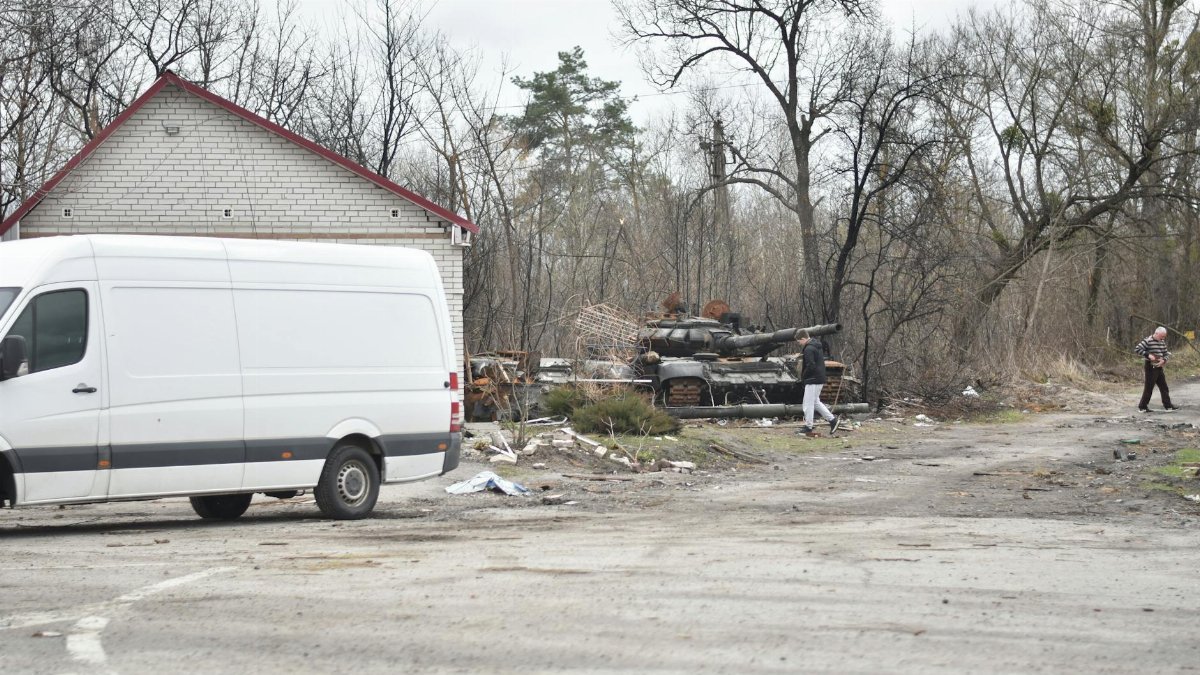
In the shadowed valleys of Iran’s rugged terrain, where ancient history meets modern fury, a new publication has emerged as both chronicle and cautionary tale. Titled the Weapons of War Guide Iran, this detailed manual surfaces at a pivotal moment in the escalating conflict, cataloging the arsenal reshaping battlefields from the Persian Gulf to remote outposts. Compiled by military analysts with access to declassified intelligence, it dissects everything from precision drones to hypersonic missiles, offering readers an unflinching look at the tools driving this proxy war. As tensions mount between Tehran and its adversaries, the guide arrives not just as reference but as a stark reminder of technology’s double-edged role in human strife.
The Guide’s Timely Emergence

Published quietly through independent think tanks, the Weapons of War Guide Iran coincides with a surge in cross-border strikes. Its release follows reports of Iranian-backed militias deploying advanced systems against regional foes, prompting analysts to pore over its pages for strategic insights. Drawing from satellite imagery and intercepted communications, the document avoids sensationalism, instead presenting cold facts on deployment patterns and effectiveness. For policymakers in Washington and beyond, it serves as an essential primer amid diplomatic deadlocks.
Tracing the Roots of Iran’s Military Evolution

Iran’s defense posture has transformed dramatically since the 1979 revolution, evolving from Soviet-era relics to a homegrown powerhouse. The guide highlights this shift, detailing how sanctions spurred innovation in asymmetric warfare. Key chapters trace the Islamic Revolutionary Guard Corps’ role in nurturing domestic production, from basic rockets to sophisticated electronics. This self-reliance, the text argues, positions Iran as a formidable player, undeterred by embargoes.
Drones: The Skyward Sentinels

Central to the Weapons of War Guide Iran are unmanned aerial vehicles, or drones, which have redefined reconnaissance and attack capabilities. Models like the Shahed-136, dubbed “kamikaze” drones, feature swarming tactics that overwhelm defenses. With ranges exceeding 1,000 kilometers, these low-cost flyers have been spotted in Yemen and Syria, their guidance systems blending GPS with inertial navigation for precision in jammed environments. The guide includes diagrams of payload capacities, underscoring their role in attrition warfare.
Missile Arsenal: From Short-Range to Strategic
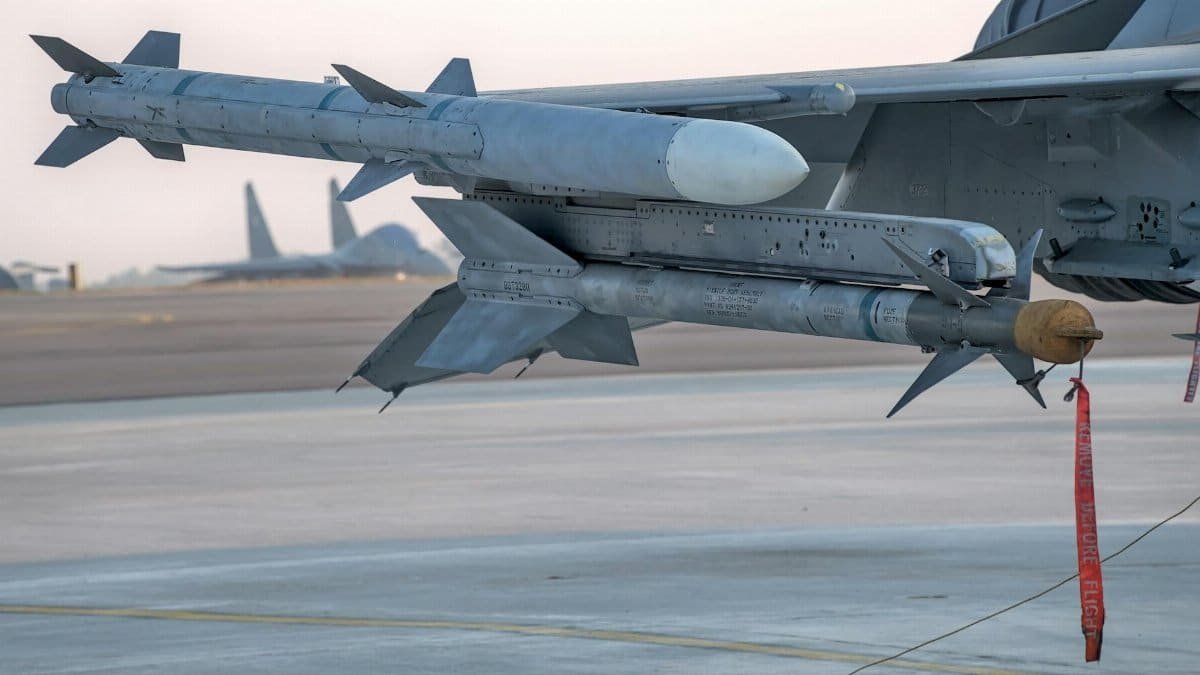
No overview of modern conflict omits Iran’s ballistic and cruise missiles, exhaustively mapped in the publication. The Sejjil and Khorramshahr series boast solid-fuel propulsion, enabling rapid launches that challenge interception. The Weapons of War Guide Iran breaks down warhead types, from cluster munitions to potential chemical carriers, while noting accuracy improvements via satellite uplinks. Recent tests, as verified by international monitors, signal a leap toward intercontinental reach.
Cyber Tools in the Shadow War

Beyond physical hardware, the guide ventures into digital domains, profiling Iran’s cyber units like APT33. These actors deploy malware to disrupt infrastructure, from power grids to financial networks. Case studies detail the 2023 hacks on Gulf shipping, illustrating hybrid tactics that amplify conventional strikes. The Weapons of War Guide Iran warns of escalating “cyber kinetic” effects, where code triggers real-world explosions.
Naval Innovations and Gulf Patrols
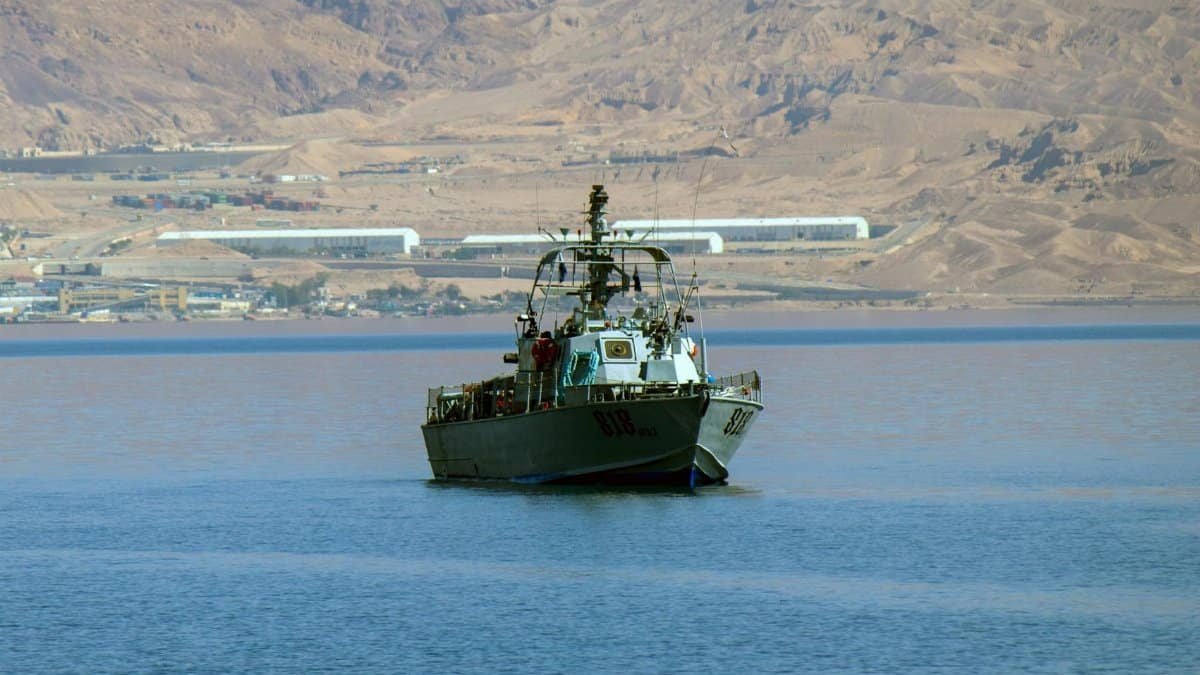
Iran’s asymmetric naval strategy features fast-attack boats and submarines, detailed with schematics in the manual. Ghadir-class minisubs prowl the Strait of Hormuz, armed with torpedoes and mines. The guide emphasizes swarm tactics, where dozens of speedboats simulate a carrier group, forcing adversaries to expend munitions. This approach, honed in exercises, protects oil routes while projecting power.
Ground Forces and Hybrid Tactics

On land, Iran’s forces blend regular army units with proxy militias, as outlined in dedicated sections. The Weapons of War Guide Iran spotlights man-portable systems like Kornet antitank missiles, smuggled via Hezbollah networks. Urban warfare adaptations, including tunnel networks inspired by Gaza, enable prolonged resistance. The text evaluates training regimens, crediting Russian and North Korean influences.
International Supply Chains Exposed
The publication unmasks proliferation networks fueling Iran’s buildup. From Chinese optics to evaded sanctions via front companies, supply lines crisscross Asia and Europe. Diagrams trace components’ journeys, implicating unwitting exporters. This transparency aims to bolster enforcement efforts, though the guide laments patchy global compliance.
Defensive Countermeasures and Vulnerabilities

Balanced coverage includes Iran’s air defenses, from S-300 batteries to indigenous Bavar-373 radars. The Weapons of War Guide Iran assesses penetration risks, citing Israeli strikes that exposed gaps. Electronic warfare suites jam incoming threats, but the manual predicts saturation overloads as adversaries scale drone fleets.
Human Cost and Ethical Quandaries

Beneath technical specs lies a sobering tally of civilian tolls. Cluster munitions and indiscriminate rocketry have scarred communities, prompting outcry from aid groups. In a nod to broader implications, the guide invokes calls for restraint, echoing spiritual leaders urging de-escalation amid the carnage. Its data fuels debates on proportionality under international law.
Expert Voices on Strategic Ramifications

Military scholars praise the Weapons of War Guide Iran for its rigor. “It demystifies the black box of Tehran’s capabilities,” notes a RAND Corporation fellow in a foreword. Others caution against overreliance on tech, stressing human elements like morale and leadership. Interviews with exiles provide insider perspectives on command structures.
Projections for the Next Phase
Looking ahead, the guide forecasts intensified proxy engagements, with AI-enhanced targeting on the horizon. Hypersonic developments could neutralize carrier strike groups, altering naval balances. Yet it tempers alarm with diplomacy’s potential, citing backchannel talks as wild cards. For observers, the Weapons of War Guide Iran remains indispensable, bridging intelligence gaps in a volatile theater.
As the Iran conflict grinds on, this compendium stands as a testament to journalism’s role in illumination. It equips not just strategists but citizens to grasp the stakes, fostering informed discourse in an era of obscured warfare. In parsing these instruments of destruction, it subtly advocates for paths to peace, reminding us that true security lies beyond the arsenal.