
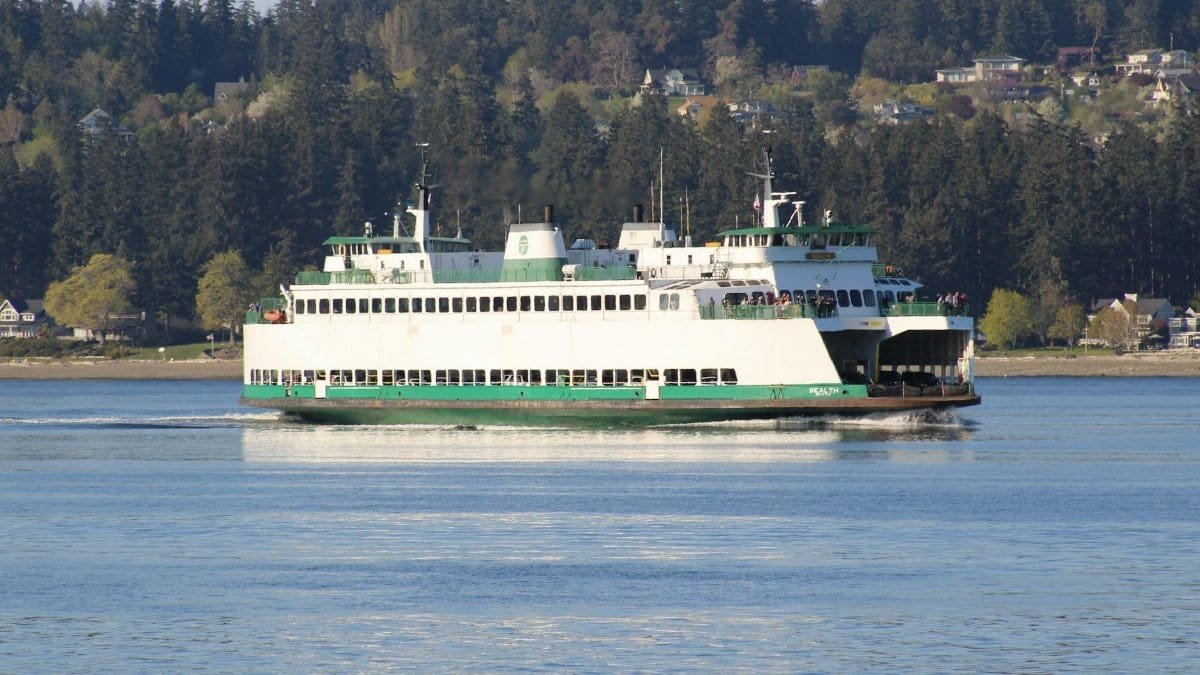
In a groundbreaking move, Washington ports have introduced a daily “Mindful Maritime Minute,” a 60-second pause in operations to promote safety and focus among workers. Container cranes grind to a halt as a breath cue echoes across the docks, encouraging port employees to center themselves amid the high-stakes environment. This innovative practice, tied to the broader washington mindful maritime initiative, is already showing results. Early data indicates a 17% drop in accident near-misses since implementation, signaling a potential game-changer for port safety standards across the state.
A Unique Safety Measure Takes Root

Washington’s bustling ports, including major hubs like Seattle and Tacoma, handle millions of tons of cargo annually. Yet, the fast-paced, high-pressure environment often leads to stress-related errors. The Mindful Maritime Minute, introduced as part of the washington mindful maritime program, aims to address this directly. At a designated time each day, all operations pause for a full minute. A recorded breathing cue plays over loudspeakers, guiding workers to take slow, deliberate breaths and refocus before resuming their tasks.
Origins of the Mindful Maritime Initiative

The concept behind washington mindful maritime emerged from growing concerns over workplace safety in port environments. With heavy machinery, tight schedules, and constant noise, mental fatigue has long been a silent risk factor. Port authorities collaborated with occupational health experts to develop this mindfulness-based intervention. The goal was simple: create a brief, structured moment for workers to reset mentally, reducing the likelihood of preventable accidents caused by distraction or stress.
Early Results Show Promise

Since the rollout of the Mindful Maritime Minute, the numbers speak for themselves. Port officials report a 17% reduction in near-miss incidents—close calls that could have resulted in injury or damage. While comprehensive data is still being compiled, this initial drop suggests that even a small pause can yield significant safety benefits. Workers have noted feeling more alert and less rushed after the minute-long break, a subtle but critical shift in such a high-risk setting.
Worker Reception and Challenges

Feedback from port employees has been largely positive, though not without hurdles. Many appreciate the forced break as a chance to regroup, especially during grueling shifts. However, some workers initially questioned the interruption, citing concerns about lost productivity in an industry driven by tight deadlines. Port management has worked to address these issues by emphasizing that safety improvements ultimately save time and resources by preventing costly accidents.
Broader Implications for Port Safety
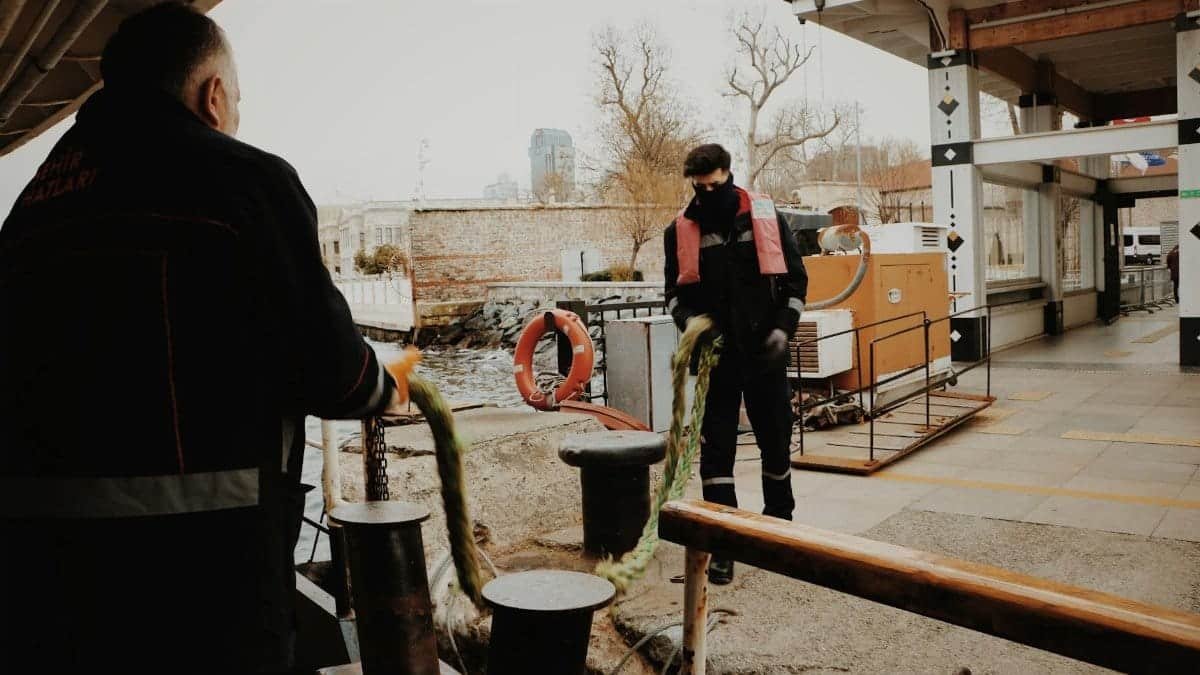
The success of the Mindful Maritime Minute could redefine safety protocols beyond Washington. Other U.S. ports, grappling with similar challenges, are already taking note. If the trend continues, this mindfulness practice might become a national standard, blending mental wellness with industrial safety in a way rarely seen before. For now, Washington remains a pioneer, testing the waters of how mindfulness can transform even the most physically demanding workplaces.
Supporting Research on Mindfulness in High-Stress Jobs

The washington mindful maritime approach aligns with broader research on mindfulness in high-stress occupations. Studies have shown that brief mindfulness exercises can reduce stress and improve focus, even in environments far removed from quiet meditation rooms. For instance, research from the National Institute for Occupational Safety and Health highlights the benefits of short mental breaks in reducing workplace errors ( NIOSH Workplace Safety ). Similarly, a report by the University of Washington underscores mindfulness as a tool for enhancing worker well-being in industrial settings ( University of Washington Research ).
A Model for 2025 and Beyond

As 2025 unfolds, Washington ports plan to refine and expand the Mindful Maritime Minute based on ongoing feedback and data. The initiative could serve as a blueprint for integrating mental health practices into other industrial sectors facing similar risks. While it’s too early to predict the long-term impact, the early success of this program suggests that a single minute of mindfulness might just be the key to safer, more sustainable port operations across the country.