

In Washington state, local families and activists are mounting a spirited defense against looming proposals to censor educational signage in national parks, museums, and monuments, with key decisions slated for March 2026. This burgeoning washington park censorship controversy has ignited debates over whether diverse histories and scientific realities should remain openly accessible to the public. Amid growing concerns, residents are being called upon to reach out to lawmakers and the Pacific West National Parks Service to safeguard these vital educational resources. The effort underscores a commitment to protecting education and preserving community history, as advocacy presses forward. “Voice your opinion for inclusive narratives,” urges Seattle’s Child, capturing the grassroots momentum.
The Spark of the Washington Park Censorship Debate
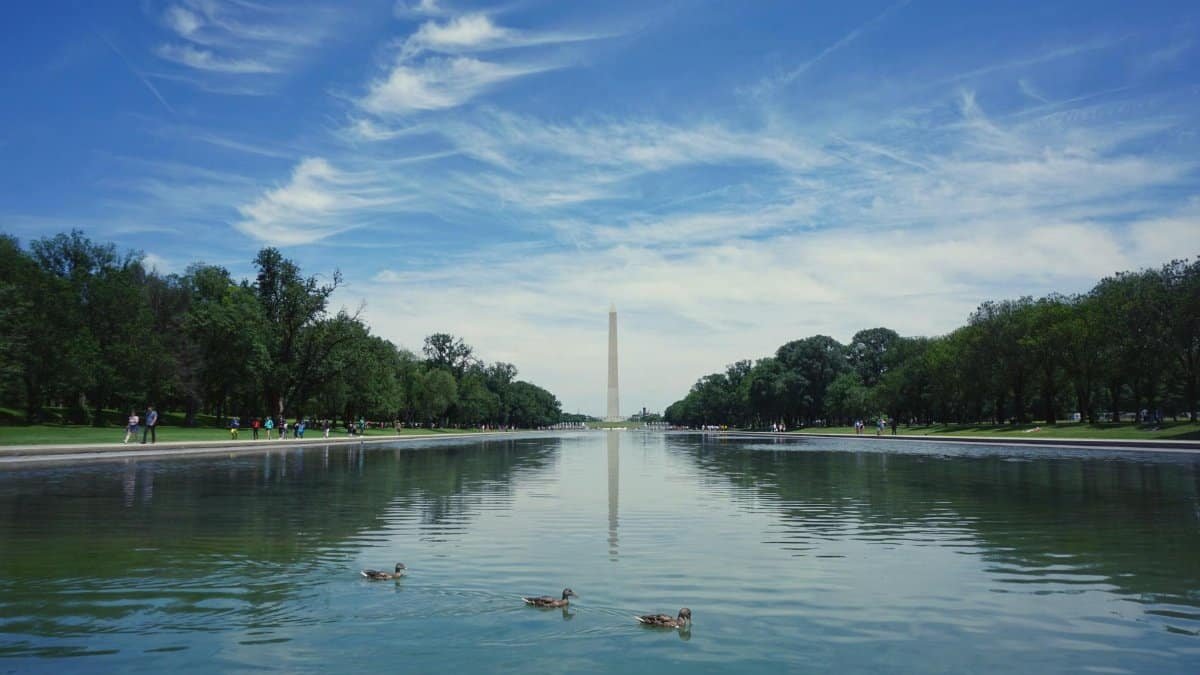
At its core, the washington park censorship issue revolves around proposed restrictions on signage that interpret sites across national parks, museums, and monuments. These displays, often the first point of engagement for visitors, provide context on everything from indigenous heritage to environmental science. Families argue that tampering with them risks whitewashing complex stories, turning public spaces into sanitized versions of reality. According to reporting from Seattle’s Child, the pushback gained traction as locals recognized the threat to unfiltered learning in these cherished venues. What began as whispers of policy changes has evolved into a broader conversation about who controls historical narratives in shared public domains.
Families and Activists Rallying Together
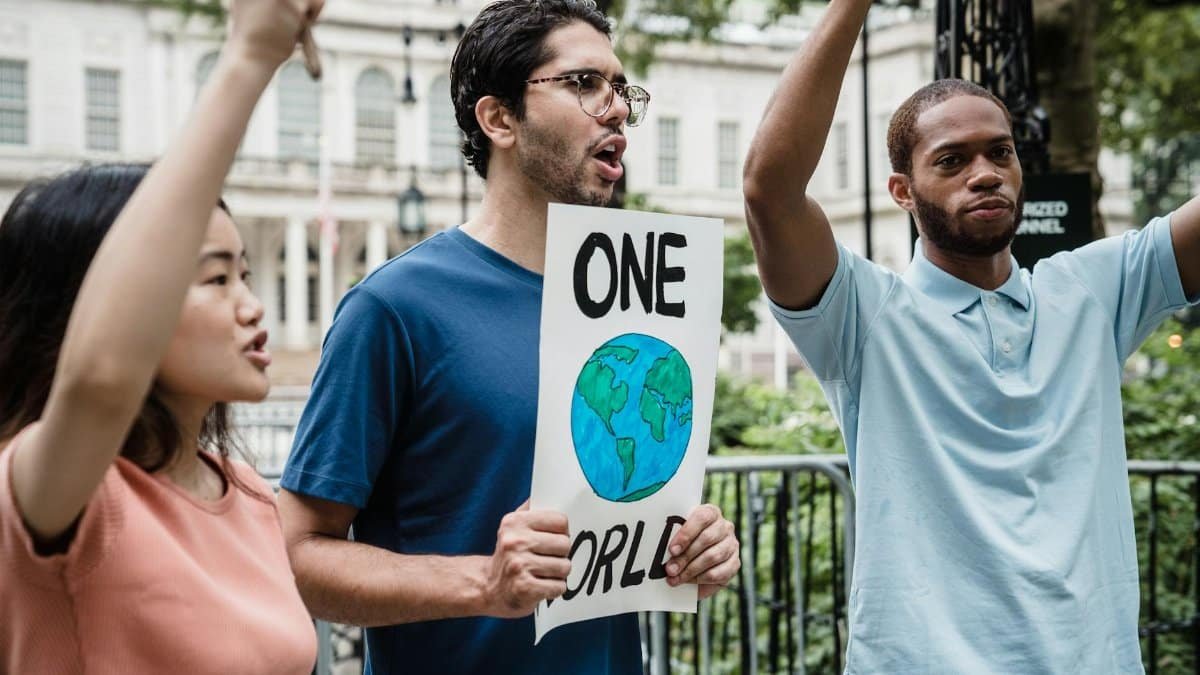
Washington’s response has been swift and collective, with everyday parents, educators, and community organizers leading the charge. They’re framing the proposals not just as bureaucratic tweaks but as an assault on accessible knowledge. Parents taking kids on weekend hikes or school field trips see these signages as gateways to curiosity, fostering discussions that extend far beyond the trail. Activists, drawing from personal connections to the land, emphasize how censorship could erase voices long marginalized. This united front reflects a community unwilling to let educational content be diminished, highlighting the personal stakes in what feels like a pivotal moment for public interpretation.
Ensuring Diverse Histories Stay Visible
Central to the debate is the imperative to keep diverse histories front and center. National parks and monuments aren’t mere scenic backdrops; they’re living classrooms chronicling triumphs, struggles, and evolutions of peoples and ecosystems. Proposals to alter or remove certain interpretive elements could obscure these layers, leaving visitors with incomplete pictures. Advocates stress that true preservation means embracing multiplicity—from Native American legacies to labor movements etched into the landscape. By resisting washington park censorship, families aim to ensure future generations inherit a fuller, more honest legacy, one that honors the richness of Washington’s past without selective editing.
Scientific Realities on the Line

Beyond history, the proposals threaten signage detailing scientific realities, from geological formations to biodiversity data. These panels ground visitors in evidence-based understandings of natural wonders, countering misinformation with facts. In an era where climate and conservation dominate discussions, stripping away such context could hinder public awareness. Local voices warn that this form of censorship undermines the parks’ role as trusted educators, potentially weakening support for protection efforts. The Pacific West National Parks Service, overseeing many of these sites, now faces pressure to prioritize transparency over any narrowing agendas.
A Call to Action for Everyday Residents
One of the most empowering elements of this movement is its direct appeal to individuals. Families are encouraged to contact their lawmakers, sharing stories of how park signage has shaped their understanding and inspired their children. Simple emails or calls to the Pacific West National Parks Service are positioned as powerful interventions ahead of March 2026 deadlines. This grassroots strategy democratizes the process, reminding people that policy isn’t made in isolation but influenced by collective input. It’s a reminder that protecting education starts at home, with residents voicing concerns to preserve the integrity of these public treasures.
Protecting Education in America’s Public Spaces

The positive ripple effects of this resistance are clear: it safeguards education at its most accessible level. National parks, museums, and monuments serve millions annually, offering free, immersive lessons that schools can’t replicate. By blocking censorship, advocates protect an ecosystem of learning that sparks lifelong interests in history and science. This isn’t about ideology but efficacy—ensuring signage remains a tool for enlightenment rather than omission. Washington’s families see it as a bulwark against any drift toward less informative displays, keeping public spaces as vibrant hubs of knowledge.
Preserving History for Community Strength
On a deeper level, the community impact of thwarting washington park censorship lies in history’s preservation. These sites bind generations, fostering a sense of continuity and belonging. When signage reflects diverse realities, it strengthens social fabric, encouraging empathy and shared stewardship. Local activists point out how altered narratives could fracture that bond, distancing communities from their roots. Instead, maintaining full access reinforces resilience, turning parks into anchors of collective memory. For Washington families, this fight is about legacy—ensuring the stories that define them endure unaltered.
Momentum Building Through April and Beyond
Advocacy shows no signs of slowing, with efforts extending through April and into the critical March 2026 window. Organizers are mobilizing sustained outreach, building on early momentum to influence outcomes. The call from Seattle’s Child—”Voice your opinion for inclusive narratives”—resonates as a rallying cry, blending urgency with optimism. As families continue engaging lawmakers and park officials, the movement exemplifies how local action can shape national treasures. In Washington, this washington park censorship battle isn’t just defensive; it’s a proactive step toward richer, more inclusive public education for all.