

Nestled across the Mississippi River from St. Louis, the Cahokia Mounds stand as silent sentinels of a lost world. Once home to 20,000 people around 1100 A.D., this sprawling complex—America’s largest prehistoric Native American city—boasts over 80 earthen pyramids built by the Mississippian culture. Today, visitors lace up hiking boots to trace meditative paths amid these ancient “healing grids,” where earth energies purportedly align with modern wellness seekers. UNESCO-protected since 1982, the site draws history buffs and spiritual explorers alike, offering a tangible link to indigenous ingenuity.
A Pre-Columbian Metropolis Unearthed
Long before European settlers arrived, Cahokia pulsed with life. At its peak between 1050 and 1350 A.D., the city rivaled contemporary London in size, covering six square miles. Archaeologists have uncovered evidence of sophisticated agriculture, copper workshops, and a thriving trade network stretching from the Great Lakes to the Gulf Coast. Monks Mound, the centerpiece at 100 feet tall and 14 acres wide, required millions of baskets of dirt hauled by hand—no wheels, no beasts of burden. This engineering marvel anchored a society governed by chiefs who commanded vast labor pools, hinting at a hierarchical world now etched into the Illinois floodplain.
The Mound-Building Mystery
Why build mounds? Theories abound. Some served as platforms for elite residences or temples; others marked astronomical alignments, like Woodhenge, a circle of timber posts tracking solstices. Recent digs reveal ritual sacrifices—hundreds of bodies interred with the elite—suggesting a cosmology blending reverence and power. The site’s abandonment around 1400 A.D. remains puzzling: climate shifts, resource depletion, or social upheaval? Whatever the cause, the mounds endured, overgrown and forgotten until 19th-century excavations brought them to light.
Tracing the Healing Grids on Foot

Modern pilgrims flock to Cahokia’s 3.5 miles of interpretive trails, designed for reflective walks. The Grand Plaza path circles the base of Monks Mound, a half-mile loop evoking the city’s central square where games and ceremonies unfolded. Devotees of geomancy—earth energy studies—speak of “ley lines” converging here, amplified by the mounds’ precise geometry. Barefoot hikes at dawn are popular, with walkers claiming reduced stress and heightened intuition amid the quiet hum of cicadas and rustling prairie grass.
Spiritual Revival in the Midwest

In an era of urban burnout, Cahokia has morphed into a wellness destination. Yoga retreats and sound bath sessions dot the calendar, blending Mississippian heritage with New Age vibes. Local guides like elder storytellers from the Cahokia Mounds Museum Society lead “energy walks,” pointing out chakra-aligned mounds. One visitor, a Chicago tech exec, described it as “rebooting my soul amid ancient code.” Skeptics counter that these grids are pseudoscience, but the site’s palpable scale—visible from miles away—commands respect regardless.
Preservation Battles and Wins

Urban sprawl threatens the site. In the 1980s, a proposed casino loomed, but activists rallied, securing federal protection. Today, the Cahokia Mounds State Historic Site spans 4,000 acres, with ongoing LiDAR scans revealing “ghost mounds” hidden underground. Funding from grants and admissions—$15 adult entry—supports erosion control and visitor centers. Climate change poses the next foe: rising Mississippi waters could erode these fragile hills, prompting innovative berms and native plantings.
Hands-On History at the Museum
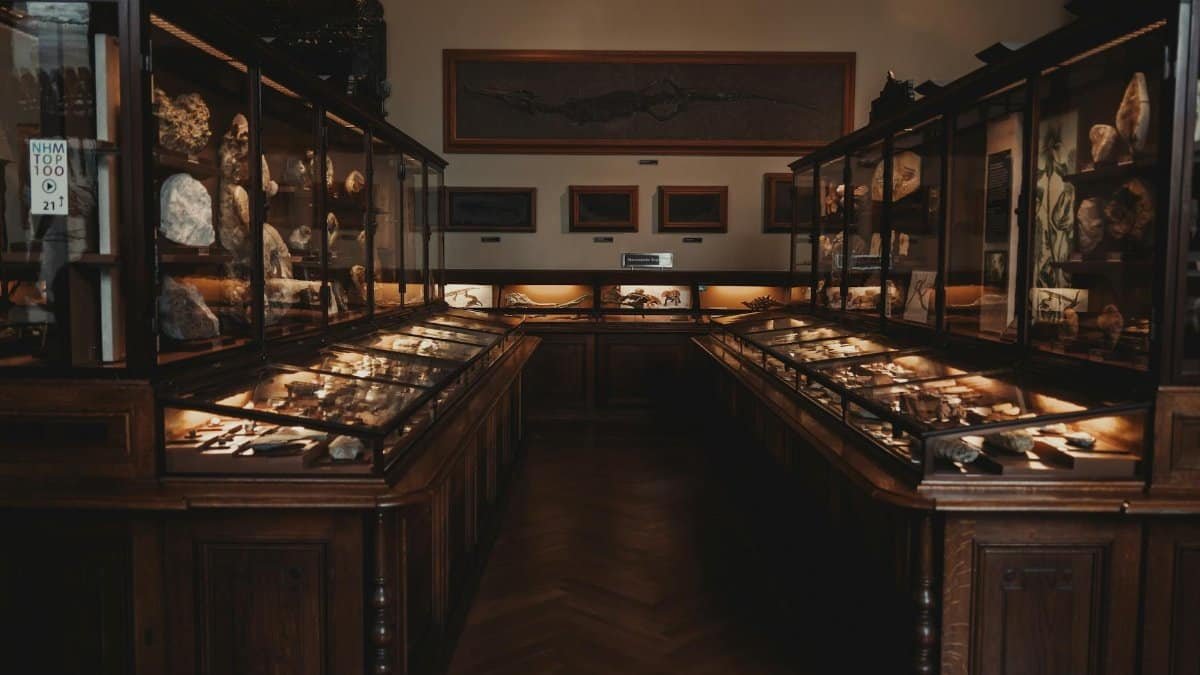
The on-site interpretive center packs a punch, displaying 1,000 artifacts like shell gorgets and arrowheads. Interactive exhibits let kids “build” a mound via touchscreen, while a theater film dramatizes daily life. Climb the 900-foot wooden stairs to Monks Mound’s summit for panoramic views—on clear days, the Gateway Arch glints 15 miles west. Pro tip: Rent an audio tour for narrated hikes, weaving science with subtle mysticism.
Day Trips and Local Flavor

Pair your visit with nearby gems. Cross the river to St. Louis for Gateway Arch thrills or Forest Park’s museums. Collinsville’s iconic Brooks catsup bottle—a 170-foot roadside relic—adds quirky Americana. Post-hike, refuel at Bandana’s Bar-B-Q or Jackie O’s, savoring ribs that nod to Midwest heartland tastes. Spring wildflowers or fall foliage elevate the grids’ allure year-round.
Planning Your Sacred Stroll

Open daily from 9 a.m., the site hums from April to October. Arrive early to beat tour buses; free parking abounds. Wear sturdy shoes—the paths are unpaved, with some steep inclines. Pets stay home, but bikes are welcome on select trails. Virtual tours suit the housebound, but nothing rivals the physical pull of standing atop a millennium-old pyramid. As one ranger put it, “Cahokia doesn’t just teach history—it grounds you in it.”
Whether chasing ghosts of empires past or tuning into telluric currents, the Cahokia Mounds deliver a midwestern epiphany, one step at a time.