
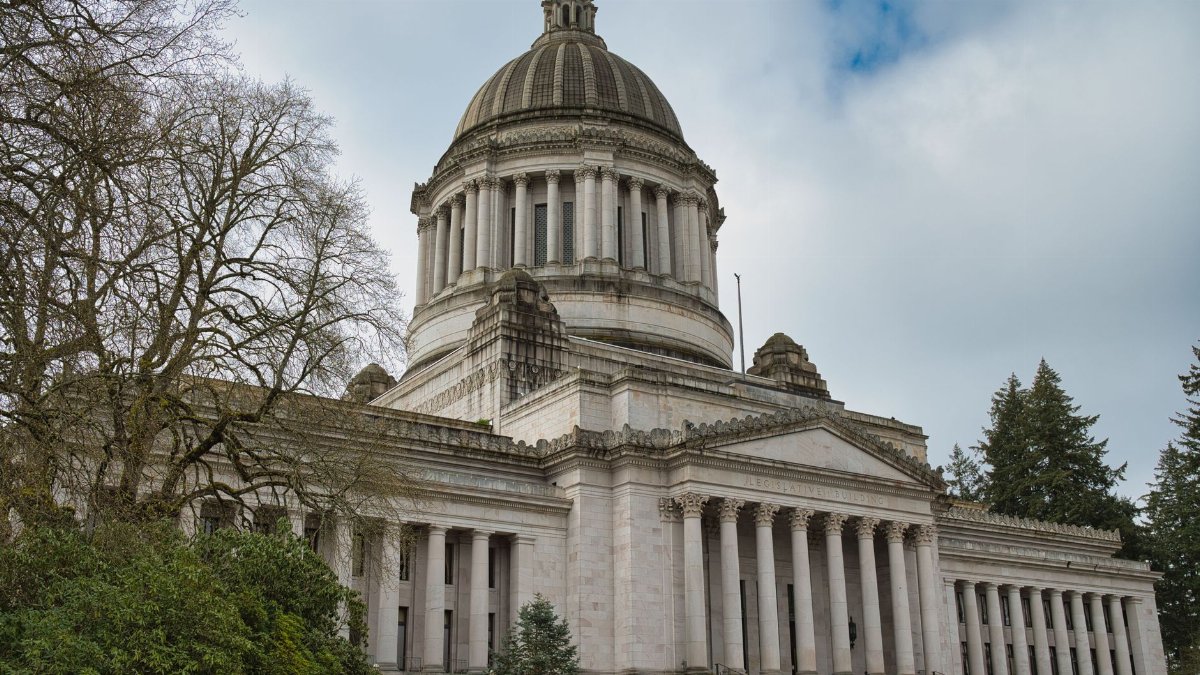
In the quiet towns along the Columbia River voters gathered to weigh their choices in a contest that revealed deep divides within one party. The WA 3rd District primary brought forward questions about representation and direction as candidates sought to connect with a region known for its mix of rural traditions and emerging industries. Observers noted how personal stories and policy differences shaped conversations at town halls and community centers. This event set the stage for a fall matchup while highlighting shifts in voter priorities across southwest Washington.
Background on the District Landscape
The area spans farms forests and small cities where economic pressures meet changing demographics. Residents often focus on issues like infrastructure and access to services. Recent elections showed narrow margins that keep both parties attentive to local concerns. Community leaders describe a place where independence remains a core value yet national trends influence daily discussions.
Role of Progressive Voices in the Contest

Activists pushed for stronger stances on housing costs and environmental protections. Their efforts created visible contrasts with more moderate approaches favored by some established figures. Meetings drew crowds eager to hear fresh perspectives on topics that affect families directly. This dynamic added energy but also exposed differing visions for the party future.
Incumbent Strategy and Coalition Building
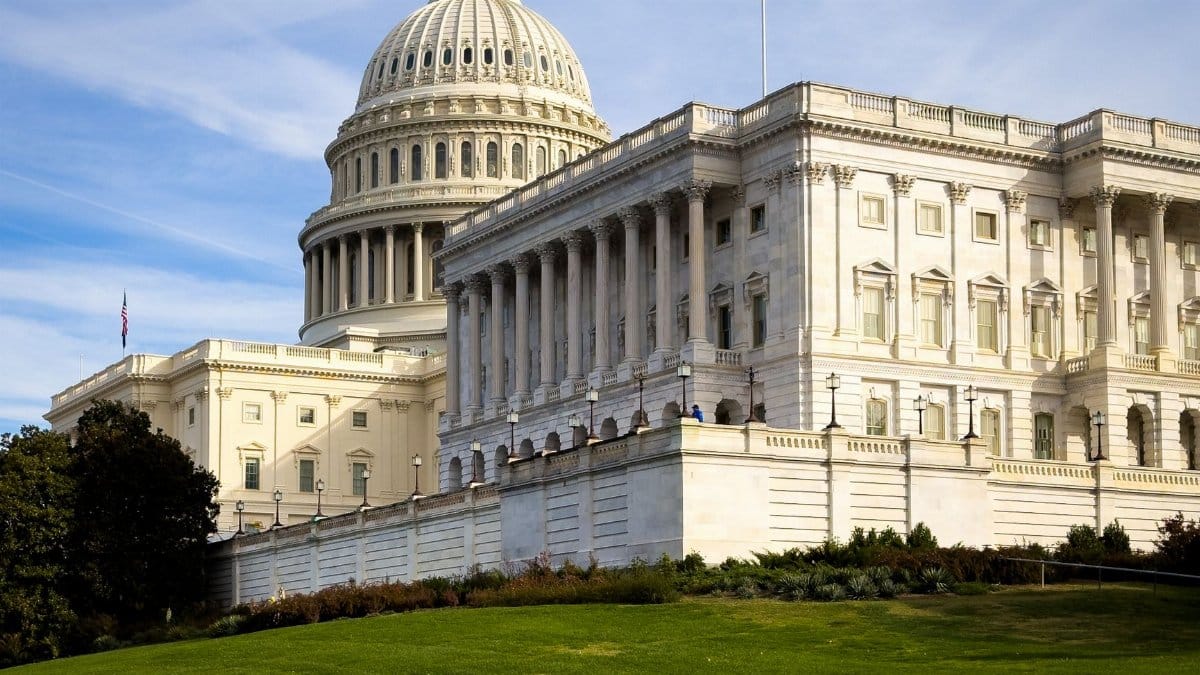
Marie Gluesenkamp Perez emphasized her record of reaching across lines to secure funding for roads and health facilities. Supporters highlighted her background in small business as a strength for understanding regional needs. Campaign stops included stops at markets and union halls to reinforce ties built over prior cycles. Such outreach aimed to hold together a broad group amid internal debates.
Challenges from Within the Party Ranks

Opponents argued for bolder action on climate goals and worker protections. They gathered signatures through door to door efforts in urban pockets of the district. Forums allowed direct exchanges where policy details came under scrutiny. These efforts tested the strength of existing networks and prompted responses from the front runner camp.
Path to the General Election Matchup
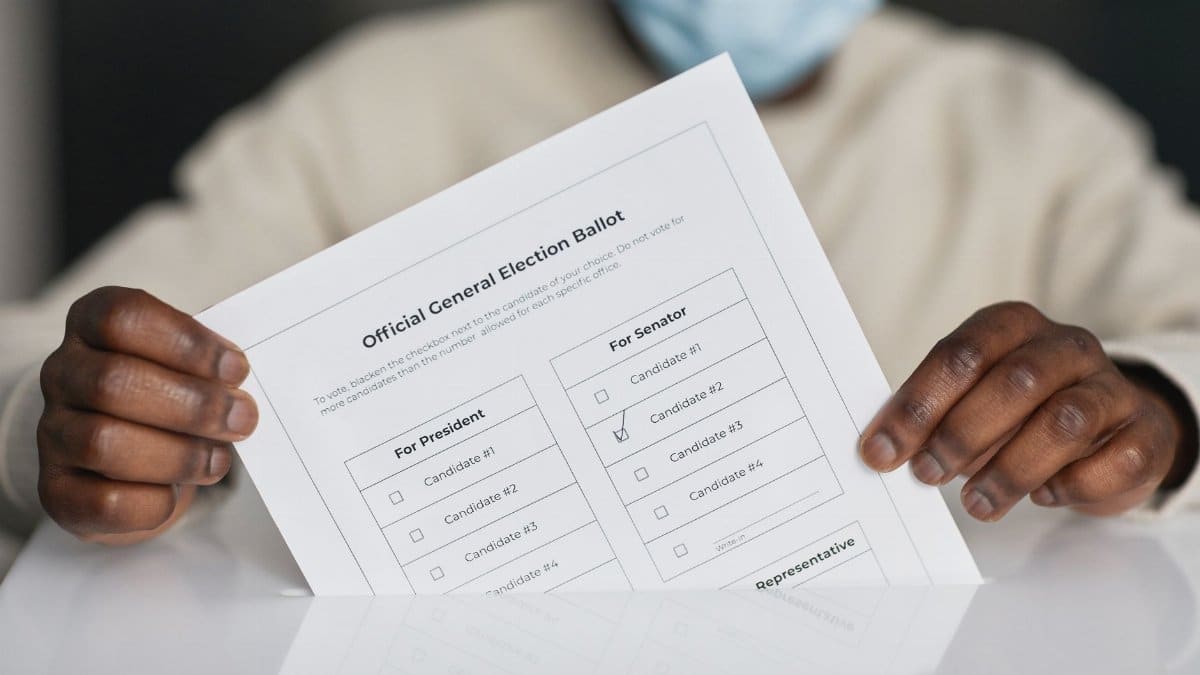
With the primary concluded attention turned to preparations for facing John Braun. Analysts pointed to the importance of turnout in areas that lean one way or another. Both sides began mapping out messages centered on economic security and community values. Early polling suggested a tight race that could draw national interest.
Voter Sentiments Across Key Counties

In Clark County conversations centered on job growth and school funding. Further north in Cowlitz similar themes emerged alongside worries about timber industry stability. Poll workers reported steady participation with many citing specific local projects as deciding factors. Patterns indicated a electorate attentive to practical outcomes over abstract promises.
Media Coverage and Public Perception
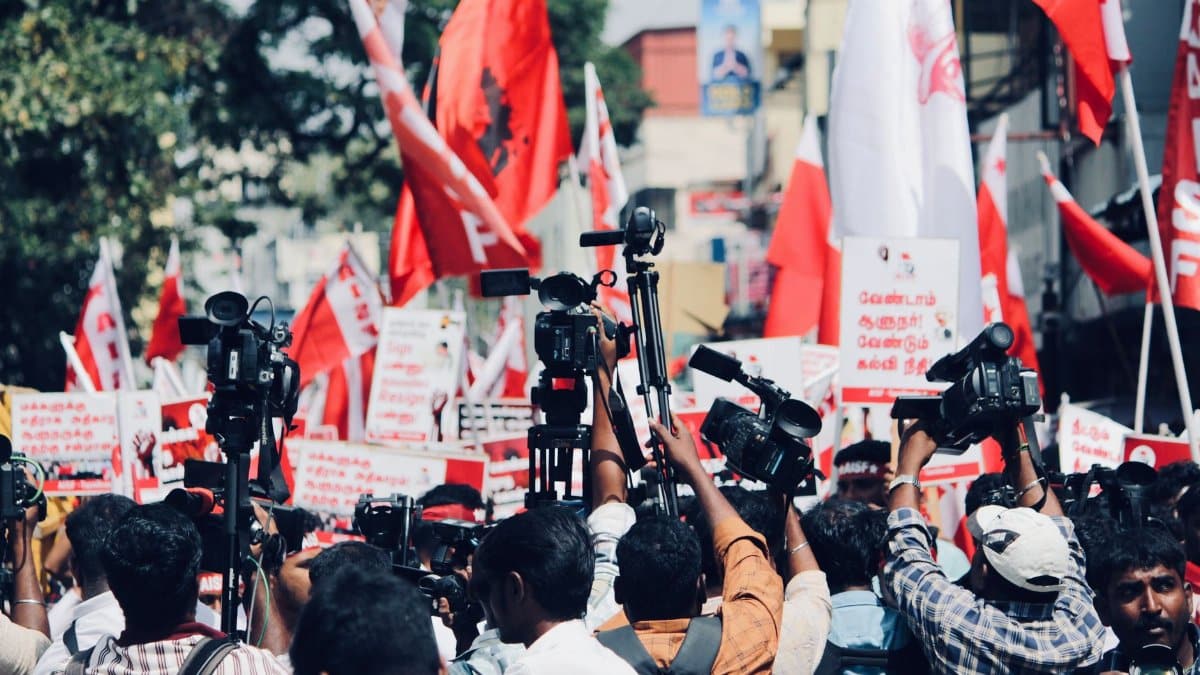
Local outlets provided detailed accounts of candidate events while national attention remained limited until results came in. Stories focused on the human elements such as family histories and community roots. Readers responded with letters sharing their own experiences in the region. This coverage helped frame the contest as one rooted in place rather than distant ideology.
Implications for Broader Party Dynamics

The outcome offered clues about how national movements intersect with district level realities. Party officials watched closely for signs of lasting realignments. Discussions in editorial pages explored whether similar patterns might appear elsewhere in coming cycles. Observers suggested the episode could influence recruitment and messaging strategies moving forward.