
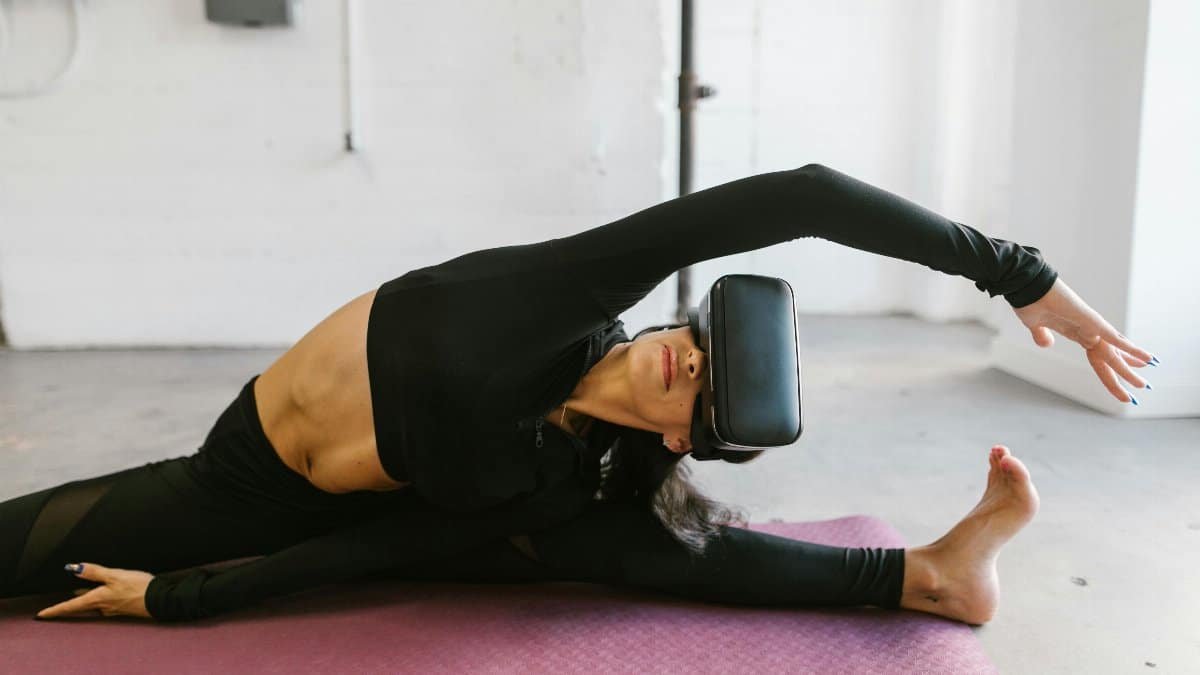
Is VR yoga classes future invasion fad living room tech really the future of fitness, or just another passing trend? As virtual reality headsets become more affordable, Americans are swapping studio sessions for immersive yoga experiences right at home. With guided classes beaming straight into living rooms, the convenience is undeniable. But skepticism remains—can a digital mat replace the real thing? As adoption grows in 2025, experts and users weigh in on whether VR yoga is a game-changer or a gimmick destined to collect dust.
VR Yoga: What’s the Hype?
Numbers Don’t Lie

A 2025 survey by the Pew Research Center found 18% of U.S. adults have tried VR fitness, with yoga leading the pack. Adoption spiked among 25- to 34-year-olds, drawn by tech’s novelty and flexibility. Sales of VR headsets also jumped 30% last year, per industry reports, fueling the trend.
Convenience Wins Big

For busy parents or remote workers, VR yoga eliminates travel to studios. Users can practice at 2 a.m. if needed, no babysitter required. “It’s a lifesaver,” said Jenna Miles, a Chicago mom of two. “I get a full class without leaving my kids.” The ability to pause or replay sessions adds to the appeal.
But Does It Feel Real?

Critics argue VR lacks the human connection of in-person classes. Adjustments from live instructors are missing, and headset discomfort after 30 minutes is a common complaint. “I felt isolated,” admitted Tom Rivera, a New York fitness buff. “It’s cool, but not the same as a studio vibe.” Technical glitches can also disrupt flow.
Health Experts Weigh In

Cost vs. Value Debate

Will It Stick Around?

Market analysts are split on VR yoga’s staying power. A report from Forbes predicts the VR fitness sector could hit $2 billion by 2027, driven by younger demographics. But others see it as a fad, likely to fade as novelty wears off and tech fatigue sets in.
Tech Giants Bet Big

Big players like Apple and Meta are pouring resources into VR fitness apps, eyeing the home workout market post-pandemic. Their push for sleeker, lighter headsets by 2025 could address user gripes, potentially cementing VR yoga as a staple. Partnerships with yoga influencers are also ramping up to boost credibility.
The verdict on VR yoga classes future invasion fad living room tech remains unclear. For now, it’s a polarizing trend—revolutionary for some, forgettable for others. As hardware improves and prices drop, 2025 could be the tipping point. Until then, whether it’s the future of practice or just a flashy distraction is up for debate.