

A recent survey from the American Psychological Association revealed that 62% of adults in the U.S. report feeling overwhelmed by daily stressors, a number that’s climbed steadily over the past decade. Amid this backdrop, many are turning to subtle, everyday strategies to regain balance. In Virginia, with its blend of rolling hills, historic sites, and serene coastlines, a quiet movement is underway. People are discovering tools, helping, recharge in ways that feel grounded and accessible. From forest trails to mindfulness apps tailored to local vibes, these approaches aren’t flashy retreats but practical aids for mental clarity. As we navigate 2025’s fast pace, exploring Virginia’s understated methods offers insights into how simple shifts can foster renewal. This isn’t about escaping life but integrating small practices that help us reset amid the chaos.
1. Forest Bathing in Shenandoah National Park
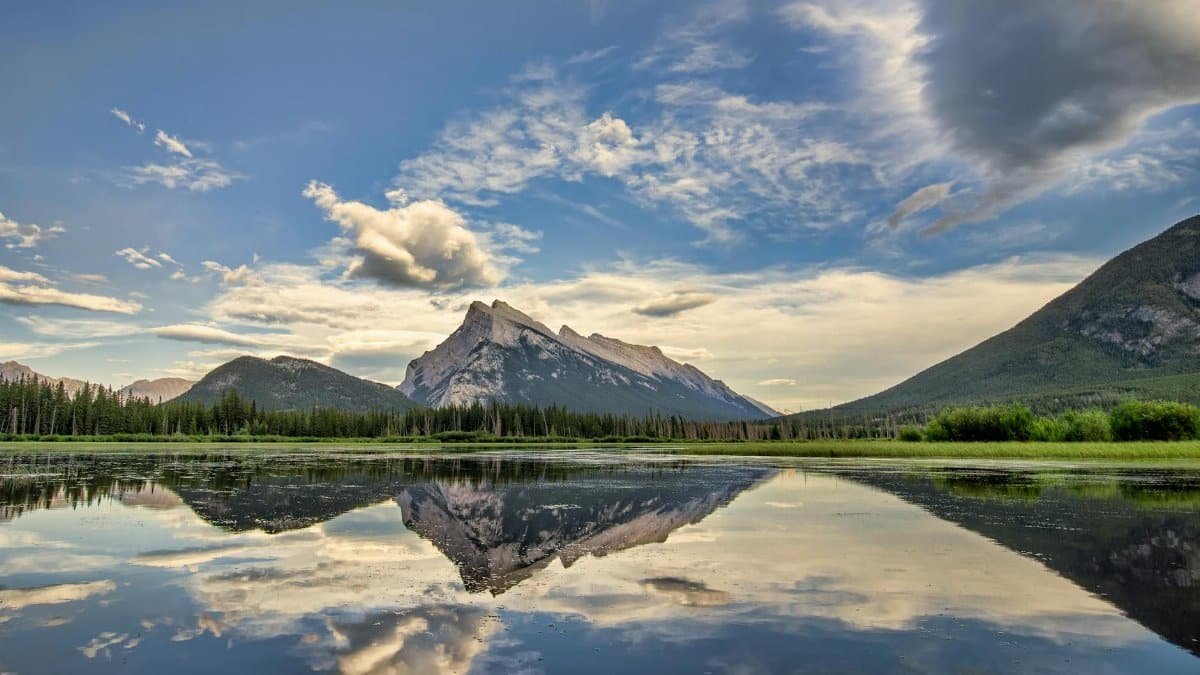
Deep in the heart of Virginia’s Blue Ridge Mountains, Shenandoah National Park serves as a natural sanctuary for those seeking solace. Forest bathing, a practice rooted in Japanese shinrin-yoku, encourages slow, intentional walks among the trees. Visitors report a profound sense of calm as they absorb the scents of pine and earth. One hiker shared how the rustle of leaves underfoot drowned out the mental noise from a hectic workweek. This isn’t mere hiking; it’s a deliberate immersion that lowers cortisol levels, according to research from the National Institutes of Health. Studies show that time in green spaces can reduce anxiety by up to 20%. In Virginia, the park’s over 500 miles of trails make it an ideal spot. Imagine standing on a overlook as mist rises from the valleys below, the air crisp and invigorating. Yet, challenges arise when crowds peak in fall, turning quiet paths into bustling routes. Still, early morning visits offer that elusive tranquility. For many, this tool becomes a ritual, blending physical movement with mental pause. It highlights how nature acts as a silent therapist, guiding users toward inner peace without a word.
Transitioning from the trails, consider how this practice adapts to urban edges. In places like Richmond, smaller wooded areas mimic the experience on a smaller scale. A local resident described slipping away during lunch breaks to a nearby park, emerging refreshed for afternoon meetings. Such anecdotes underscore the accessibility of forest bathing. It’s not reserved for wilderness enthusiasts but fits into everyday routines. Experts from the National Park Service emphasize its benefits for stress reduction, supported by ongoing environmental health studies.
2. Mindfulness Apps with Virginia Twists
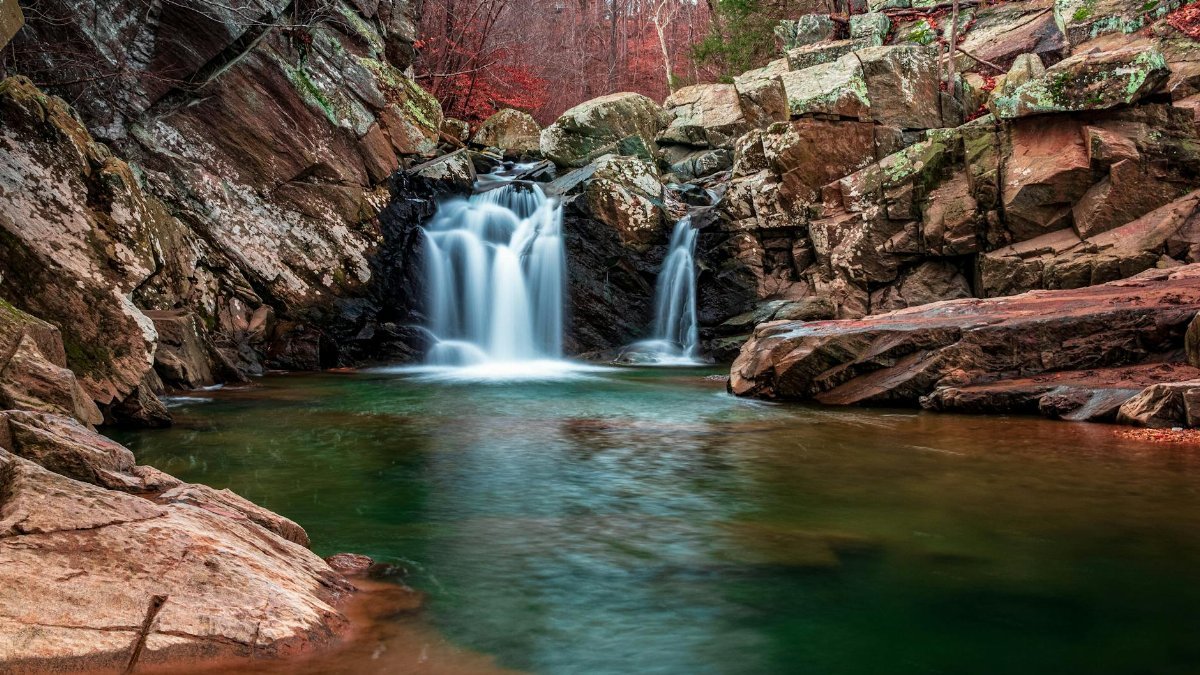
Picture a busy parent in Arlington juggling remote work and family demands. They open an app, and suddenly, guided meditations infused with sounds of the Chesapeake Bay waves fill the room. Apps like Calm or Headspace have localized content, incorporating Virginia-specific imagery such as Appalachian folk tunes or visualizations of Monticello’s gardens. This digital tool, helping, recharge, bridges technology with regional heritage. Users often start with five-minute sessions, building to longer practices that enhance focus and emotional resilience. A study from the University of Virginia found that consistent app use correlates with improved sleep quality among participants. But not all apps deliver equally; some feel generic, lacking that personal touch.
Diving deeper, one anonymous account from an online discussion highlighted a turning point: after months of burnout, incorporating these tools led to clearer decision-making at work. The narrative painted a vivid picture of mornings transformed from chaotic to centered. Virginia’s tech-savvy communities, especially near D.C., amplify this trend. Developers are now embedding augmented reality features, allowing virtual walks through state parks. Yet, skeptics question screen time’s irony in promoting unplugging. Balancing this, experts recommend pairing apps with offline activities. The American Psychological Association backs mindfulness tech for its evidence-based stress relief, noting adaptations for diverse populations.
3. Community Yoga Circles in Coastal Towns
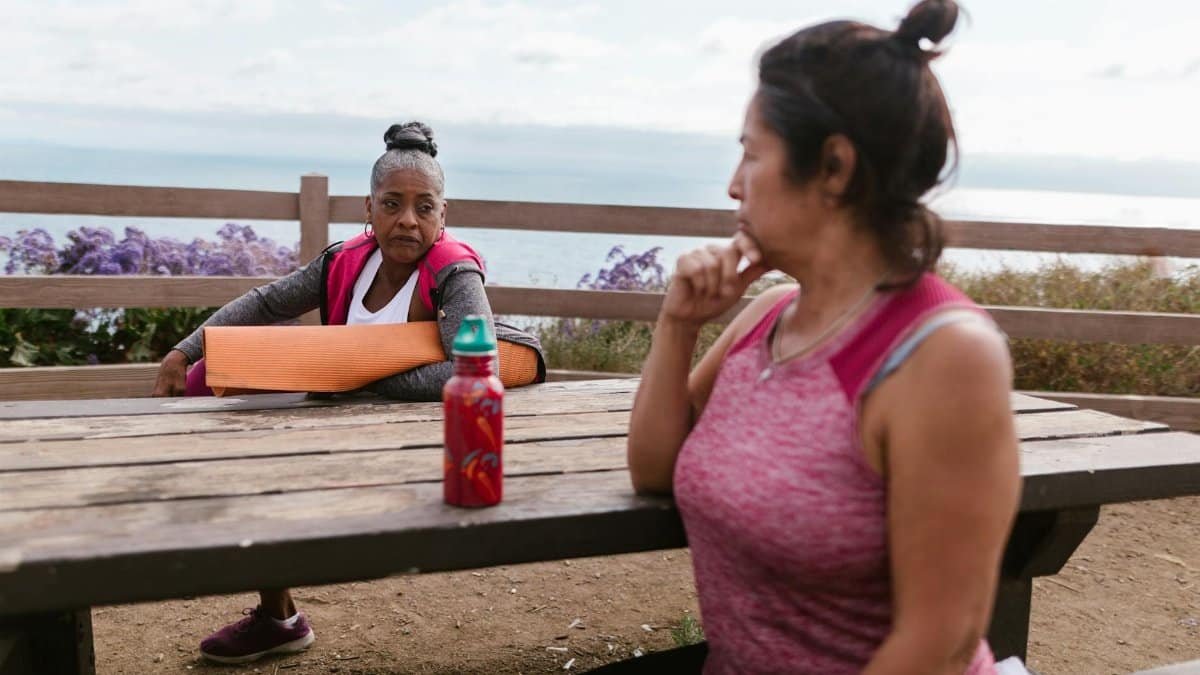
In quiet coastal enclaves like Virginia Beach, yoga circles gather at dawn on sandy shores. These aren’t high-intensity classes but gentle sessions focused on breath and connection. Participants form loose rings, sharing intentions before flowing through poses as the sun rises over the Atlantic. This communal tool fosters a sense of belonging, crucial in an era of isolation. Research from the National Center for Complementary and Integrative Health indicates yoga reduces symptoms of depression by promoting endorphin release. One group member recalled how the shared energy helped them navigate a personal loss, turning solitary grief into collective healing.
Shifting perspectives, these circles often incorporate local elements, like incorporating seashell meditations or tidal rhythms into routines. In smaller towns along the Eastern Shore, instructors adapt poses for all ages, making it inclusive. However, weather can disrupt outdoor meets, pushing groups indoors to community centers. This adaptability showcases yoga’s versatility as a recharge method. A brief story from a participant described the first time they felt truly present, waves crashing in the background, erasing worries. Such moments illustrate the practice’s power. For credibility, the National Center for Complementary and Integrative Health provides comprehensive overviews of yoga’s benefits, grounded in clinical trials.
4. Herbal Tea Rituals from Appalachian Herbs

High in Virginia’s Appalachian region, locals harvest wild herbs for teas that soothe the spirit. Chamomile from backyard gardens or ginseng from forested slopes brews into potions that calm frayed nerves. This age-old tool, helping, recharge, draws on indigenous knowledge, blending it with modern wellness. A simple ritual might involve steeping leaves while journaling thoughts, creating a mindful pause. Evidence from the National Institutes of Health suggests herbal teas can aid digestion and reduce inflammation, indirectly boosting mental clarity.
Exploring further, consider a farmer in the Shenandoah Valley who starts each day with a mug of locally sourced mint tea. They described how the warmth seeps into their routine, melting away overnight anxieties. Online forums buzz with similar tales, one user anonymously sharing how switching to herbal blends curbed their caffeine dependency, leading to steadier energy levels. Yet, not all herbs suit everyone; allergies or interactions demand caution. Virginia’s herbalists often host workshops, teaching safe foraging. This hands-on approach deepens appreciation. The National Institutes of Health offers resources on herbal medicine, ensuring informed use amid growing interest in natural remedies.
5. Journaling Workshops in Historic Settings

Amid the cobblestone streets of Williamsburg, journaling workshops unfold in restored colonial buildings. Participants wield pens to unpack emotions, using prompts tied to Virginia’s rich history. This introspective tool encourages reflection on personal narratives, much like the diarists of yore. Attendees often emerge with newfound clarity, as writing externalizes inner turmoil. A Pew Research study notes that expressive writing improves mood regulation, with 45% of adults finding it therapeutic.
From another angle, these sessions vary: some focus on gratitude lists, others on future visions. A workshop-goer recounted scrawling thoughts under flickering candlelight, feeling connected to past inhabitants. This sensory detail brings history alive, enhancing the recharge. In 2025, with digital distractions rampant, such analog practices gain traction. Challenges include vulnerability in group settings, but facilitators build trust through anonymity options. Integrating this with daily life, many continue solo journaling at home. The practice’s impact on mental health is well-documented by sources like the Pew Research Center, which tracks wellness trends across demographics.
6. Sound Baths in Urban Wellness Centers

In bustling Northern Virginia hubs like Alexandria, sound baths use gongs and crystal bowls to create vibrational harmony. Participants lie back as waves of sound wash over them, dissolving tension. This auditory tool, helping, recharge, taps into ancient traditions, now modernized for city dwellers. Sessions often last an hour, leaving attendees in a state of deep relaxation. Research from the Cleveland Clinic supports sound therapy’s role in lowering blood pressure and enhancing sleep.
Delving into experiences, one regular described the initial skepticism melting into bliss as resonances aligned their thoughts. Urban noise pollution makes this contrast stark, amplifying the effect. Virginia’s centers incorporate local twists, like incorporating river sounds from the Potomac. However, accessibility varies; costs can deter some. Community free events bridge this gap. As 2025 unfolds, interest surges amid rising awareness of holistic health. A narrative thread from an anonymous online share detailed overcoming insomnia through weekly baths, transforming nights from restless to restorative. This underscores sound’s subtle power. For more, the Cleveland Clinic provides evidence-based insights into sound therapy’s efficacy.