
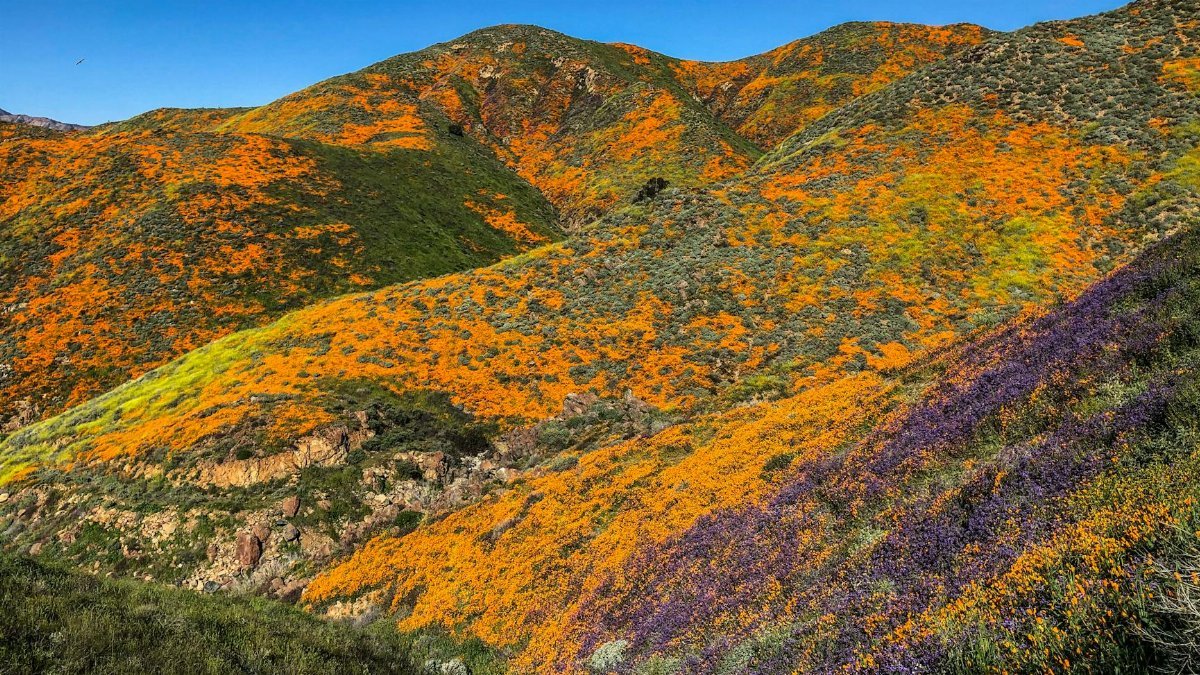
In the vast openness of the Mojave a traveler pulls over to the side of a lonely highway. What meets the eye is almost overwhelming. Thousands upon thousands of flowers in every direction creating waves of color that stretch to the horizon. This is not a typical spring. Thanks to a series of powerful storms the state is experiencing one of its most impressive displays in recent memory. California wildflower superblooms like this one remind us of the profound ways in which nature can reset and rejuvenate both the land and those who behold it.
The phenomenon draws people from all walks of life. Families photographers artists and seekers of solace make their way to these transformed landscapes. What they find is more than a photo opportunity. Many describe a sense of peace and perspective that lingers long after they have returned home. In a world that often feels chaotic these blooms offer a moment of pure unfiltered beauty.
Understanding The Triggers Behind These Explosions Of Color
Heavy autumn and winter rains set the stage for what we see today. Seeds that have lain dormant in the soil for years suddenly sprout when moisture reaches the right depth and is followed by mild temperatures. This year many desert regions received more than ten inches of rain creating ideal conditions for germination. Botanists explain that the sequence matters as much as the amount. Too little rain and nothing happens. Too much and the plants may rot before they bloom.
According to travel reporting from CNN the current cycle aligns with patterns seen in previous strong El Nino years. The article details how atmospheric rivers delivered repeated soaking storms across Southern California and the Central Valley. For further reading visit https://www.cnn.com/travel/article/california-wildflower-blooms-2026. Such events are infrequent which only heightens their impact on both the ecosystem and the human imagination.
Prime Locations To Experience The Phenomenon
Anza Borrego Desert State Park stands out as one of the most accessible and spectacular sites. Vast fields of sand verbena and desert sunflowers stretch for miles. Further north Carrizo Plain National Monument offers a quieter more contemplative setting where the blooms mix with rolling grasslands. In the foothills of the southern Sierra Nevada visitors find lupine and poppies painting entire hillsides in purple and orange.
Death Valley National Park usually known for its harsh dryness has also joined the show in select canyons. Each location presents its own character. Some can be reached by car while others require short hikes. The diversity of terrain means there is a spot suited to every level of adventure and every desire for solitude.
Historical Blooms That Left A Lasting Impression
California has seen notable superblooms before. The events of 2017 and 2019 remain fresh in collective memory with photographs that circulated widely and drew record numbers of visitors. Earlier accounts from the late nineteenth century describe similar carpets of flowers that astonished settlers and native communities alike. Indigenous tribes have long regarded these displays as signs of the lands generosity and a time for gathering and celebration.
These historical episodes reveal a pattern. Superblooms tend to follow periods of prolonged drought broken by unusually wet winters. The current bloom fits neatly into that rhythm reminding us that the desert while seemingly barren holds tremendous potential for life. Each cycle reinforces the idea that renewal is always possible even after the harshest times.
The Spiritual Renewal Many Discover Amid The Blooms
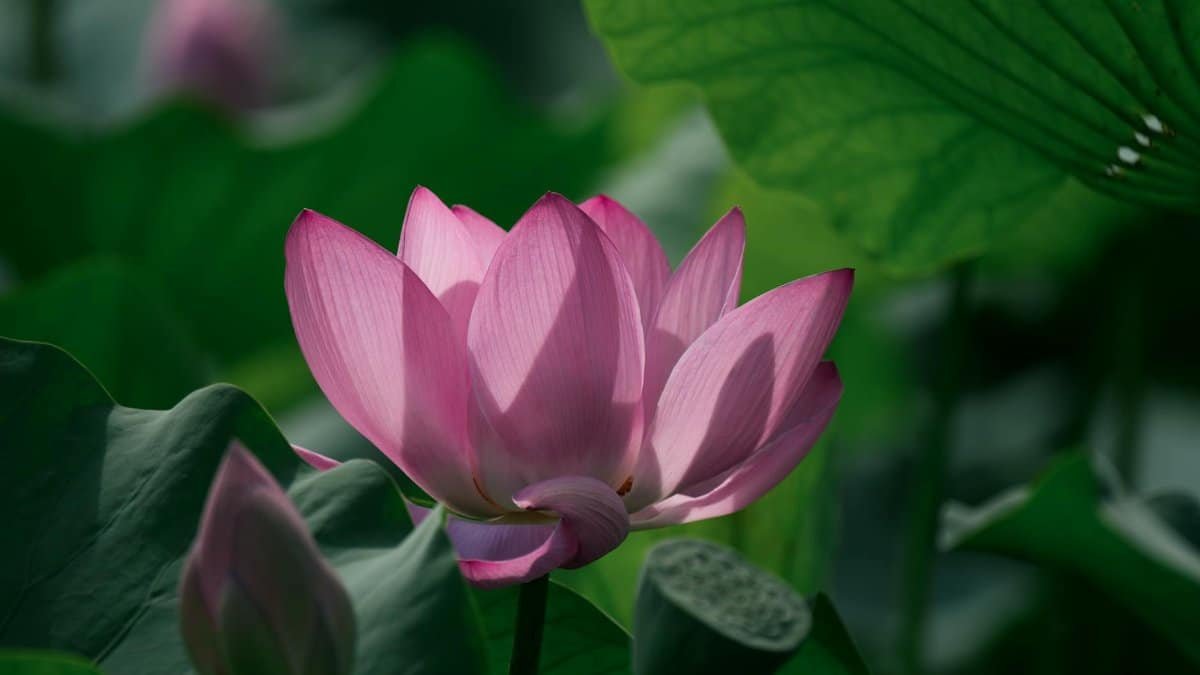
For many middle aged visitors the experience transcends simple sightseeing. Standing among waves of flowers under an enormous sky often produces a feeling of awe that quiets the mind. The temporary nature of the bloom itself serves as a gentle lesson in impermanence. What is vivid and alive today will be gone in a matter of weeks. That knowledge strangely enough brings comfort and a deeper appreciation for the present moment.
Trends in nature based mindfulness have grown steadily among people seeking balance in busy lives. A 2022 study from the University of California Irvine found that spending forty minutes in natural settings with high visual stimulation reduced cortisol levels and improved reported sense of wellbeing. The full paper is available at https://www.ncbi.nlm.nih.gov/pmc/articles/PMC9100000/. In the context of california wildflower superblooms that effect seems amplified. The sheer scale of color and fragrance creates an atmosphere that feels almost sacred.
Ecological Importance And Biodiversity Support
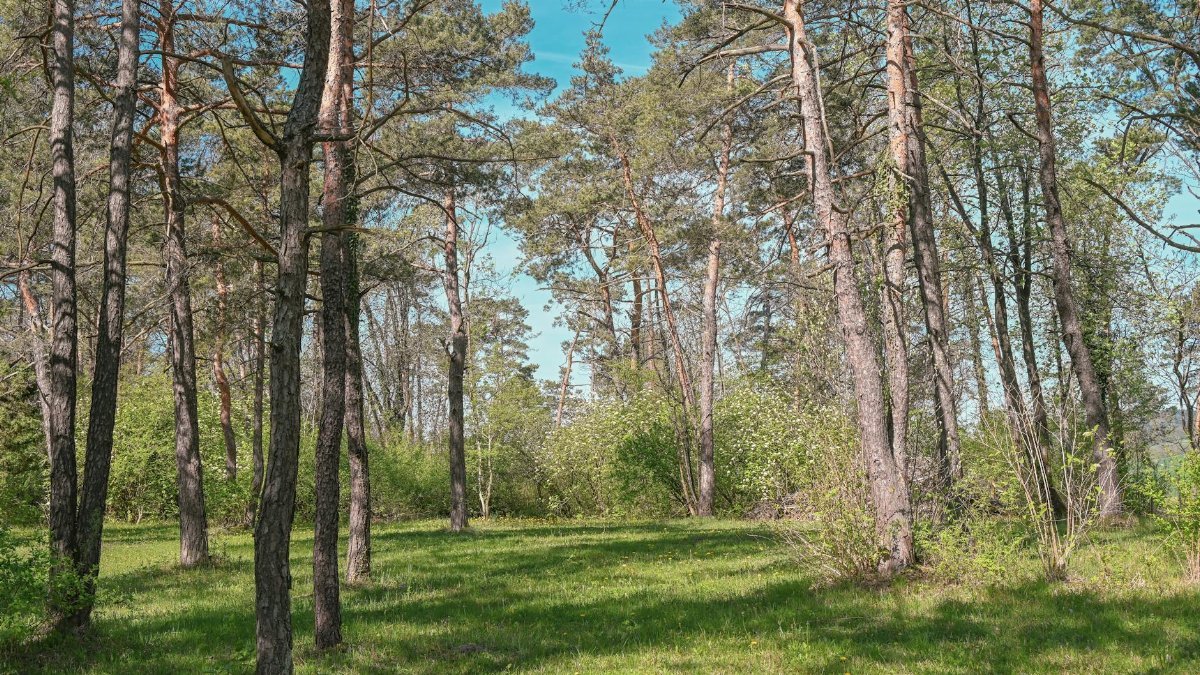
Beyond their beauty these blooms play a vital role in the ecosystem. They provide nectar for bees butterflies and other pollinators at a critical time in their life cycles. Migratory birds find increased food sources in the insects drawn to the flowers. The plants themselves help stabilize soil and prevent erosion after the heavy rains that made their growth possible.
Once the petals fall they enrich the soil with organic matter preparing the ground for future growth. This cycle of boom and rest maintains the delicate balance of desert and grassland environments. Scientists continue to monitor how these events influence everything from rodent populations to the health of rare plant species that only appear during the wettest years.
Practical Advice For Visitors Planning A Trip

Those hoping to witness california wildflower superblooms should plan carefully. Go early in the morning or late in the afternoon to avoid the harshest sun and the largest crowds. Sturdy walking shoes are essential even on established trails. Bring plenty of water and sun protection as shade is scarce in many prime viewing areas.
Check wildflower hotline updates from state parks before setting out because peak bloom times can shift by a week or two depending on temperature. Most importantly practice leave no trace principles. Stay on designated paths to avoid crushing delicate seedlings that will form next years display. Responsible visitation ensures that future generations can enjoy the same sense of wonder.
Voices Of Those Deeply Moved By The Spectacle

Interviews with visitors reveal a common thread of emotional response. A retired teacher from Sacramento described feeling tears well up as she walked through a field of owl clover. She spoke of remembering childhood trips with her parents and feeling a bridge across decades of time. A photographer from Los Angeles said the experience renewed his creative energy after a difficult year noting that the colors seemed to wash away his usual cynicism.
These personal accounts echo broader cultural observations. In an age of constant digital connection the unmediated encounter with vast natural beauty reawakens senses that may have grown dull. Many leave the blooms carrying a quieter mind and a renewed commitment to spend more time outdoors.
Challenges Posed By Growing Interest And Climate Shifts
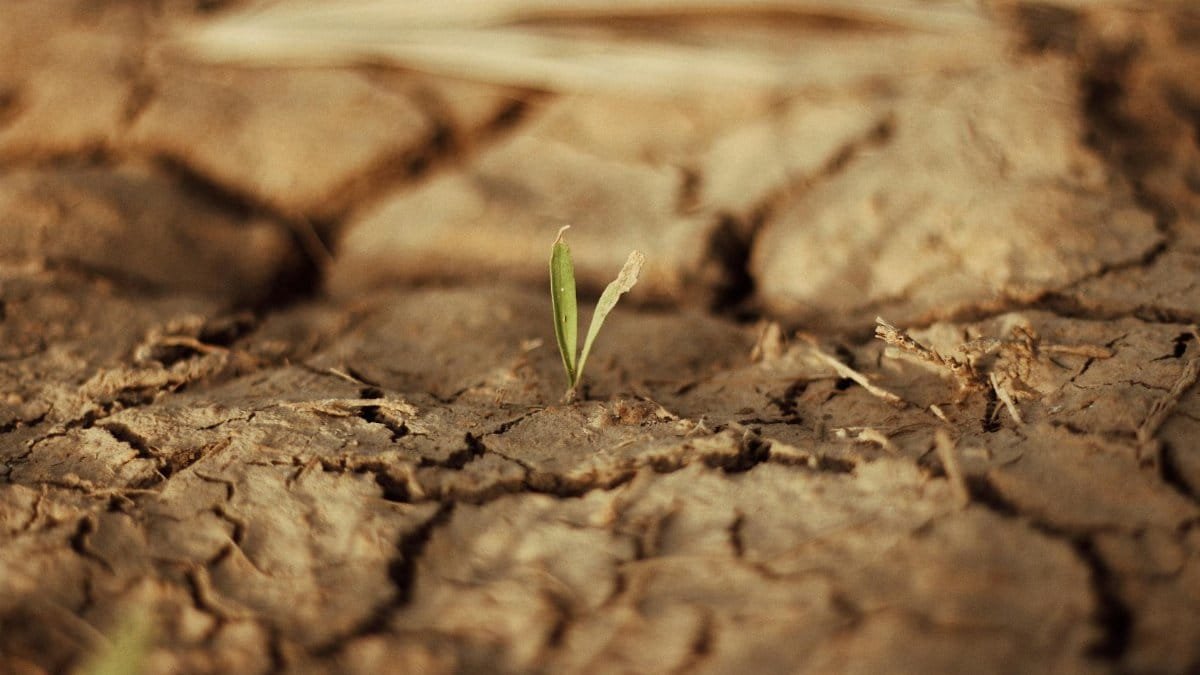
Popularity brings pressure. Some locations have seen trampling of fragile soils and damage to endangered species when crowds stray from trails. Park services have responded with temporary closures timed permits and educational campaigns. The balance between sharing these natural treasures and protecting them remains delicate.
Longer term climate change adds uncertainty. Rising temperatures and more erratic rainfall patterns could make superblooms less predictable or less frequent in coming decades. Researchers are studying how shifting weather might alter the composition of future displays favoring some species while diminishing others. The current abundance feels all the more precious against that uncertain horizon.
Capturing The Beauty Through Lens And Memory

Photographers flock to these events armed with everything from smartphones to professional equipment. The changing light throughout the day offers endless opportunities. Morning sidelight brings out texture while golden hour turns entire hillsides into glowing canvases. Yet many experienced observers suggest that the most meaningful images are those captured in the mind.
Sitting quietly among the flowers without a camera can create memories that last longer than any digital file. The scent the sound of wind moving through stems and the feeling of warm earth beneath ones feet combine to form an impression deeper than any photograph can convey. In this way the blooms invite participation rather than mere observation.
What The Future Holds For These Natural Wonders
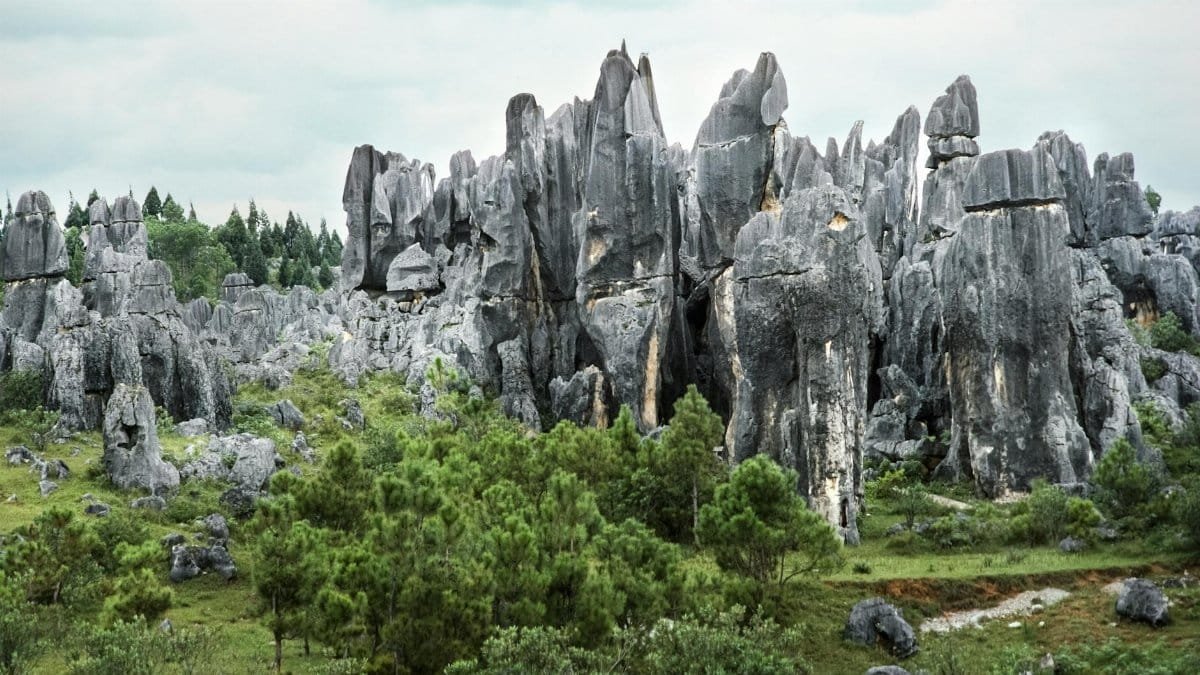
Conservationists express cautious optimism. With increased public awareness and stronger protections for public lands the conditions that support california wildflower superblooms can be maintained. Continued research into seed banks and climate modeling will help predict and prepare for future events.
Ultimately these spectacular displays affirm natures capacity for generosity and surprise. They invite people to step away from routine concerns and reconnect with something larger than themselves. In the presence of millions of flowers blooming in unison it becomes easier to believe in renewal both for the land and for the human spirit. As another wet winter fades into spring the deserts and hillsides stand as living proof that after every dry season beauty can return in abundance.