
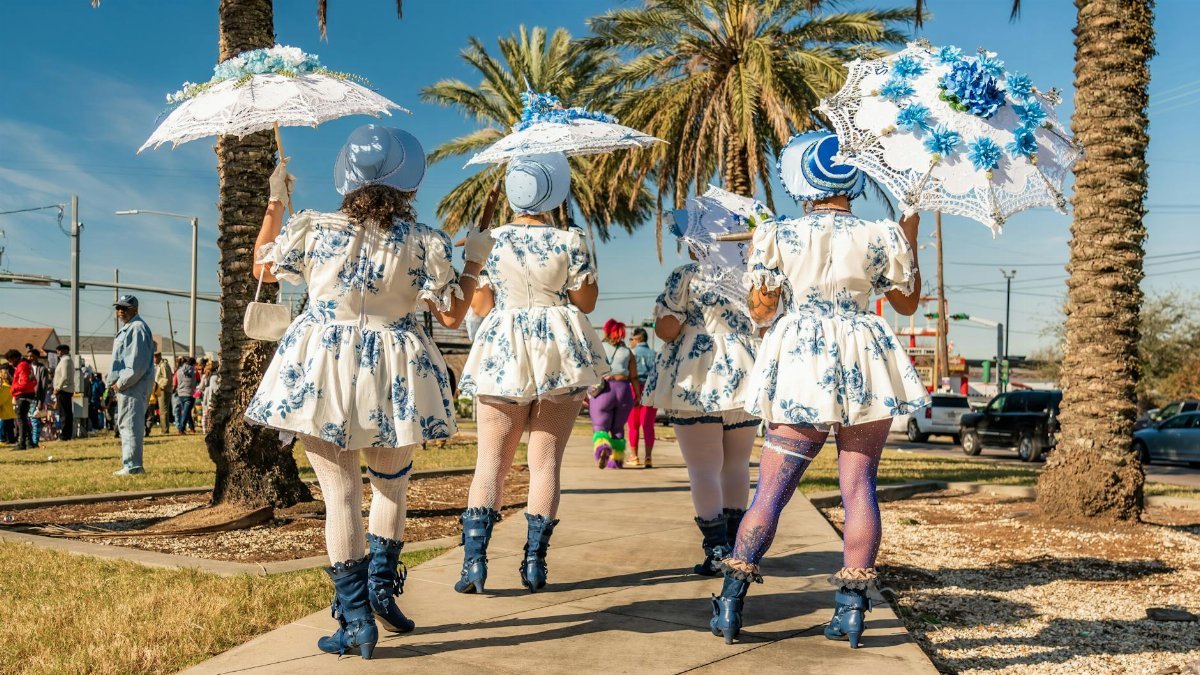
On February 17,mardi gras 2026 swept through New Orleans like a whirlwind of purple, green, and gold, transforming the city into a living canvas of revelry. Elaborate parades rolled down historic streets, masked balls glittered under chandeliers, and spontaneous street parties pulsed with energy. Revelers tossed beads from floats, devoured king cakes in anticipation of hidden treasures, and swayed to live performances that echoed the city’s soulful heartbeat. This annual explosion of color, music, and tradition celebrated Creole culture while drawing millions to witness the Krewe of Zulu and Rex processions. As 13WHAM reports, the festivities not only reignited community spirit but also signaled a robust tourism recovery, all culminating in a joyful prelude to the solemnity of Lent.
The Allure of Elaborate Parades
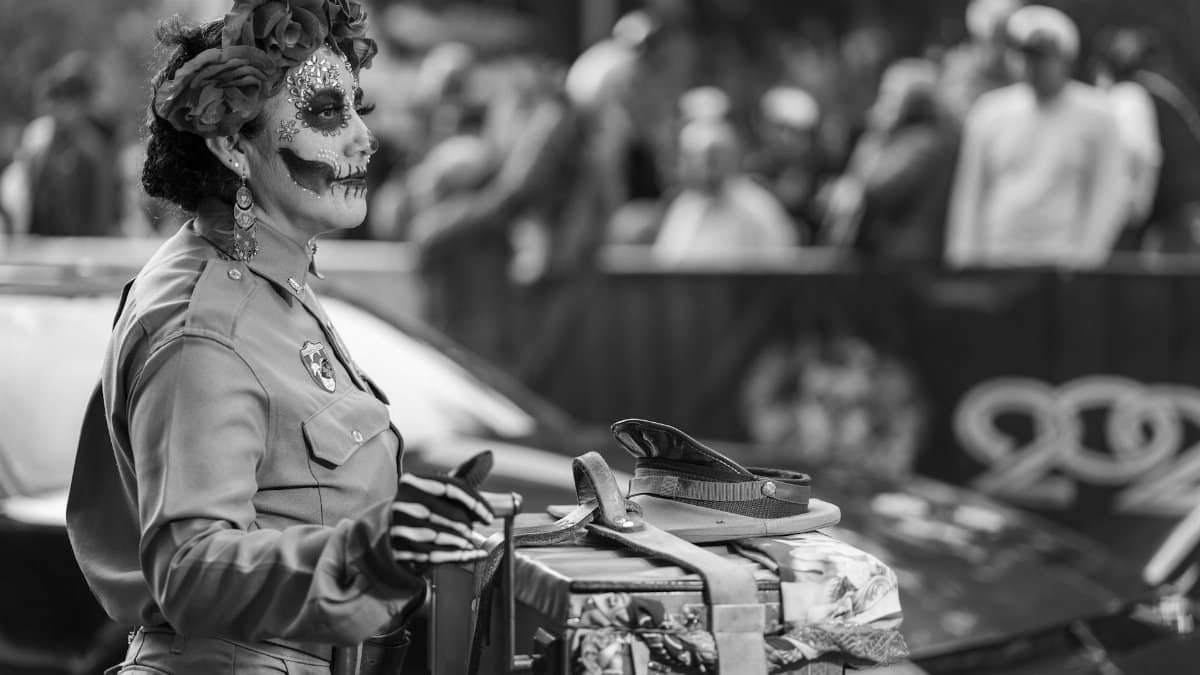
At the heart of Mardi Gras 2026 beat the rhythm of its parades, massive spectacles that snaked through New Orleans’ French Quarter and beyond. Floats adorned with intricate designs—towering sculptures of mythical creatures, historical figures, and fantastical scenes—captivated crowds lining the boulevards. Riders perched atop these moving masterpieces hurled strands of shimmering beads into outstretched hands, turning sidewalks into seas of sparkle. The air thrummed with brass bands and cheers, as the parades embodied the event’s core promise: unbridled joy amid meticulous artistry. These processions, a staple of the season, wove through neighborhoods, pausing for throws and toasts that bound strangers in shared exhilaration.
Masked Balls: Elegance in Disguise
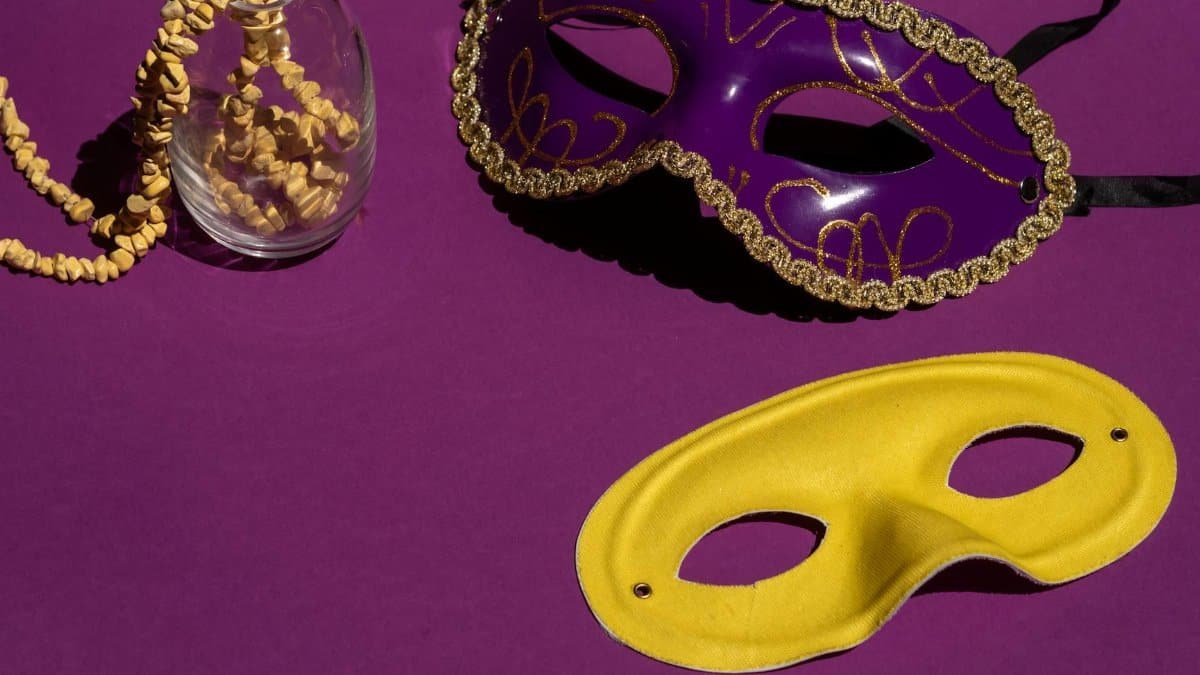
While the streets erupted in chaos, New Orleans’ ballrooms offered a contrasting splendor during Mardi Gras 2026. Masked balls, dripping with opulence, drew elegantly attired guests in feathers, sequins, and elaborate headdresses. These gatherings, steeped in mystery and merriment, allowed revelers to shed everyday identities for a night of waltzes, champagne toasts, and whispered intrigues. The masks themselves—crafted with feathers, jewels, and lace—served as both shield and statement, enhancing the festive anonymity that has long defined the tradition. Inside these venues, the city’s elite and visitors mingled, their laughter mingling with orchestral swells, creating intimate pockets of glamour amid the broader carnival frenzy.
Street Parties: The Pulse of the People

Beyond the formalities, Mardi Gras 2026 came alive in the unscripted energy of street parties that spilled from Bourbon Street to quieter corners. Neighbors and newcomers alike gathered in clusters, sharing stories over plastic cups and impromptu dances. These organic celebrations fostered an electric camaraderie, where barriers dissolved under the weight of collective abandon. Music from portable speakers and passing brass ensembles kept feet moving, while the scent of grilling fare wafted through the air. It was here, in these raw, communal outbursts, that the festival’s democratic spirit shone brightest, inviting everyone to partake in the night’s boundless possibility.
King Cakes and Beads: Icons of Indulgence
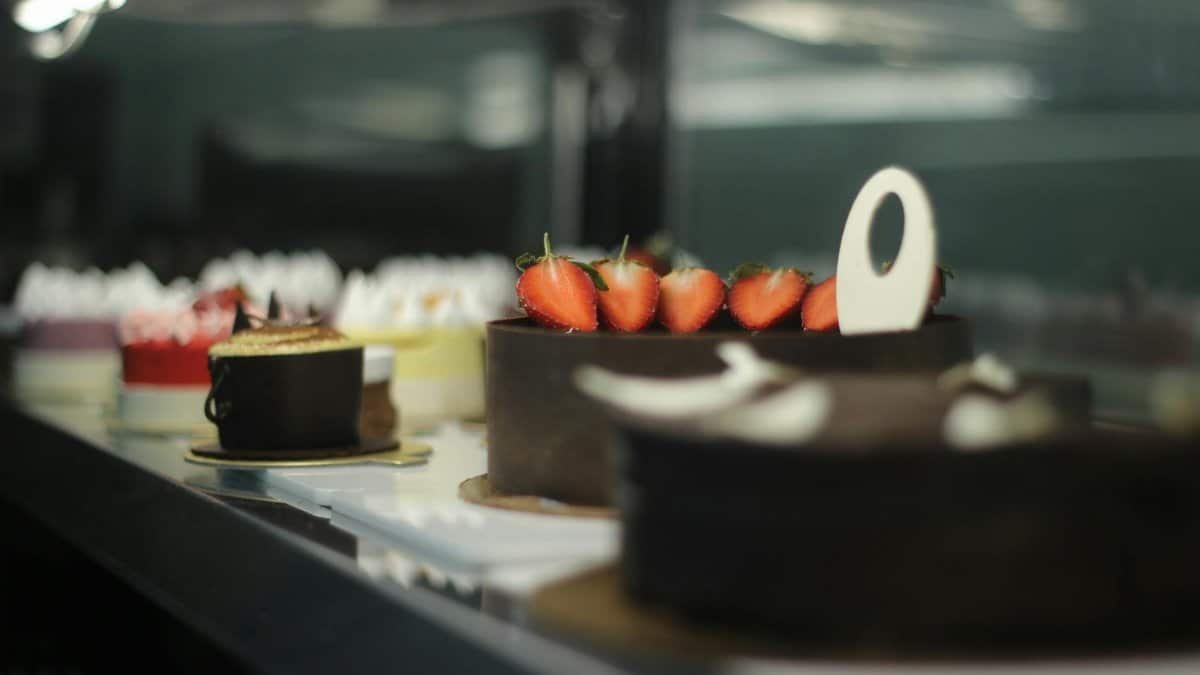
No Mardi Gras 2026 moment passed without the sugary allure of king cakes, ring-shaped pastries dusted in colored sugar and baked with a hidden baby figurine. Finding the prize meant good fortune—and often, hosting the next party—a ritual that sparked gleeful hunts among friends and families. Beads, those ubiquitous necklaces in the tricolors of faith, hope, and power, flew like confetti, collected in piles that symbolized the event’s playful excess. Revelers draped themselves in layers of plastic pearls, trading them for smiles or stunts, turning simple throws into a currency of connection. These traditions, simple yet profound, encapsulated the festival’s blend of whimsy and warmth.
Live Performances: Music as the City’s Soul
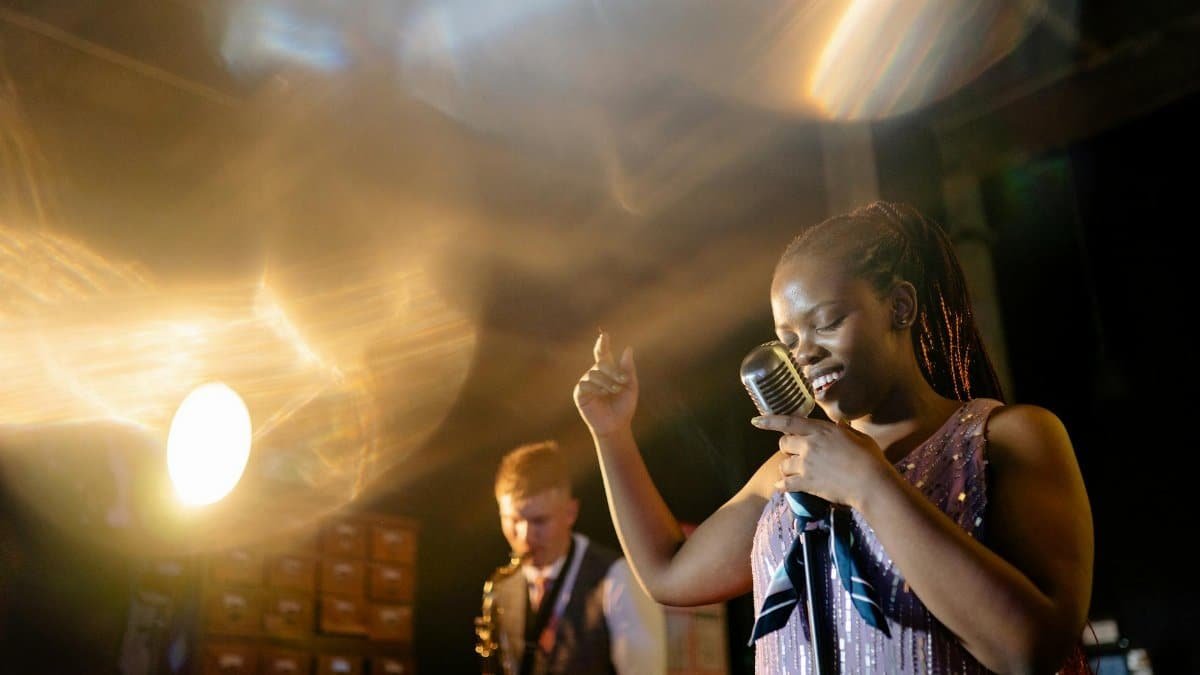
Music wove through every corner of Mardi Gras 2026, with live performances turning New Orleans into an open-air amphitheater. Brass bands marched with second-line parades, their tubas booming and trumpets soaring over jubilant crowds. Jazz ensembles on makeshift stages delivered soul-stirring sets, while percussionists drummed rhythms that echoed the Mississippi’s flow. These sounds, raw and resonant, invited spontaneous second lines—dancing followers trailing musicians in a tradition as old as the city itself. The performances didn’t just entertain; they unified, pulsing through veins of revelers young and old, reinforcing the festival’s role as a symphony of shared heritage.
Celebrating Creole Culture at Its Core
Mardi Gras 2026 stood as a vibrant tribute to Creole culture, that unique fusion of French, Spanish, African, and Native influences that defines New Orleans. Revelers embraced this legacy through costumes evoking antebellum gowns and tribal motifs, dances blending zydeco steps with jazz swings, and feasts highlighting gumbo and jambalaya. The festivities highlighted how these elements intertwine, preserving stories of resilience and creativity passed down generations. In a city rebuilt time and again, the event reaffirmed Creole identity as a living force, colorful and defiant, drawing participants into its narrative of cultural continuity.
Spotlight on Krewe of Zulu and Rex
The Krewe of Zulu and Rex processions emerged as undisputed highlights of Mardi Gras 2026, each bringing distinct flair to the parade lineup. Zulu’s floats, festooned with coconuts and satirical flair, honored African American roots with humor and heart, while Rex’s regal march, led by a king on a white steed, evoked royal pageantry. These iconic krewes, with their meticulously crafted throws and themed displays, commanded the largest crowds, their paths marked by roaring applause. As reported by 13WHAM, their presence amplified the spectacle, blending spectacle with deep-seated tradition.
Millions Drawn to the Magic

Mardi Gras 2026 magnetized millions, from locals donning feathers to tourists chasing the ultimate throw. The influx filled hotels, overflowed eateries, and turned the Superdome into a hub of pre-parade excitement. This massive gathering underscored the event’s pull as a global phenomenon, where diverse faces united under one festive banner. The sheer scale amplified every cheer, every bead caught, creating a collective high that rippled through the city long after floats passed.
Community Spirit and Tourism Revival
Beneath the glitter, Mardi Gras 2026 nurtured profound community spirit, as neighbors collaborated on floats and parties, strengthening bonds frayed by time. It also heralded tourism recovery, injecting vitality into an economy still healing from past storms. Hotels buzzed, shops thrived on bead sales and costume rentals, and the influx promised sustained momentum. This dual role—uniting locals while welcoming the world—highlighted the festival’s enduring power to heal and uplift.
A Timeless Tradition Before Lent

Ultimately, Mardi Gras 2026 blended history, art, and joy into a crescendo before Lent’s reflective hush. Rooted in centuries-old customs, it honored the Carnival season’s pagan-Christian mashup, where excess precedes abstinence. Artistry shone in every float and mask, history in every krewe’s lore, and joy in the unfiltered expressions of life. As the final parades faded into dawn, New Orleans exhaled, ready for renewal—proving once more why this tradition endures as a beacon of human spirit.