
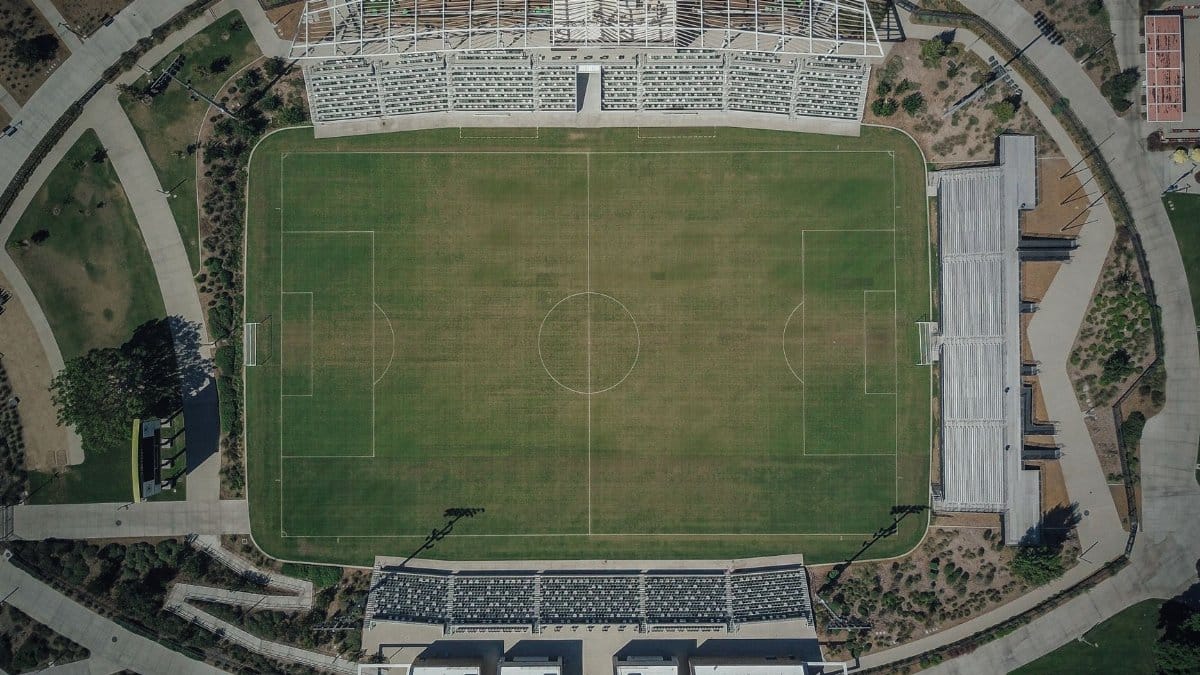
On a balmy August evening decades ago crowds filled the stands of Long Beach Veterans Stadium to cheer a high school football showdown that captured the spirit of an entire city. That sense of shared excitement now faces an abrupt end as crews prepare to tear down the structure later this month. In its place will rise a 250 million dollar sports complex designed for contemporary events yet the loss stirs quiet conversations across neighborhoods about memory place and progress.
Tracing the Roots of a Civic Landmark
Construction of the arena began in the years after World War II when city leaders sought a fitting tribute to returning service members. The facility opened with modest seating and a simple track but quickly grew into a hub for track meets marching band competitions and civic ceremonies. Over successive generations it absorbed the rhythms of Long Beach life hosting everything from youth soccer leagues to regional track championships that drew athletes from across Southern California.
Memorable Gatherings That Shaped Collective Identity
Friday night lights brought families together in ways few other venues could match. Alumni still recall the roar that greeted a last second touchdown in 1974 or the packed stands during a 1989 playoff run. These moments transcended sport and became markers of local pride passed from parents to children through stories told at dinner tables and barbecues.
Role in Honoring Military Service

Annual observances on Veterans Day featured color guards and moments of silence that connected spectators to a broader narrative of sacrifice. The very name of the site reminded visitors of its original purpose even as everyday athletic contests filled the calendar. Organizers often invited former service members to speak reminding younger attendees of the values the facility was meant to embody.
Everyday Use by Schools and Neighborhood Groups
Local high schools relied on the field for practices and games when their own campuses lacked space. Community organizations booked the track for charity runs and school bands used the open area for rehearsals before parades. Such routine access made the location more than a spectator site it functioned as an extension of public parks and schoolyards throughout the area.
Pressures Leading to the Current Redevelopment Decision
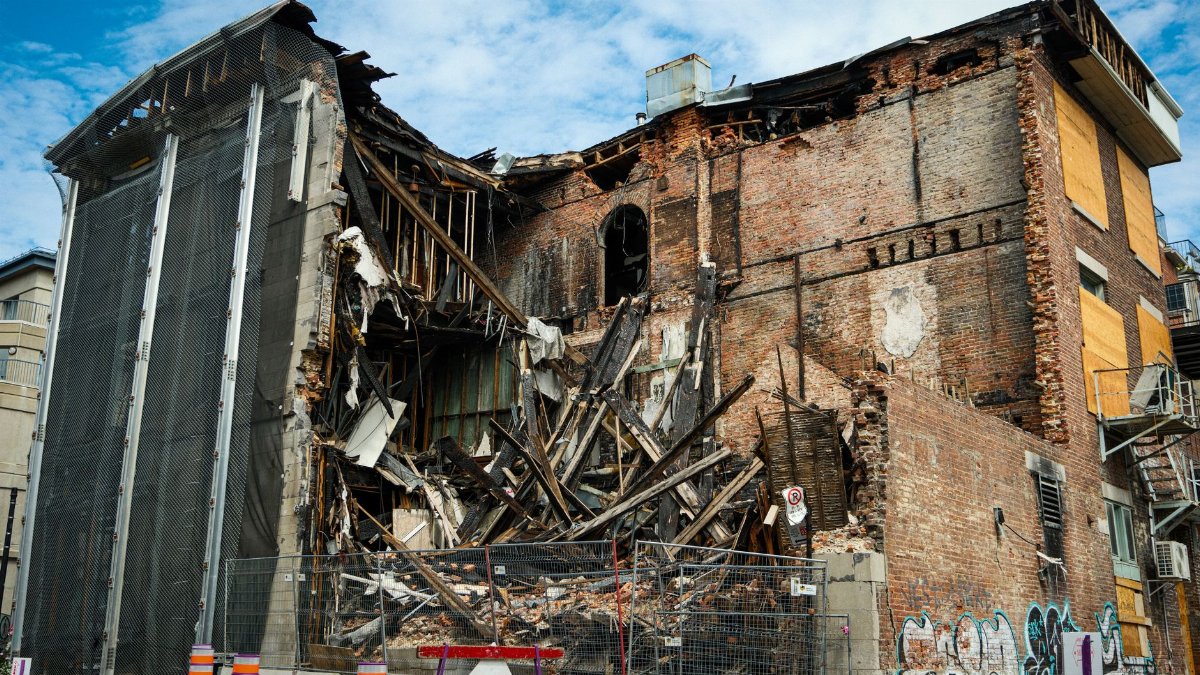
City engineers cited aging infrastructure and rising maintenance costs as primary factors in the choice to clear the site. Seismic standards updated in recent years would have required extensive retrofits that officials deemed impractical. Planners instead envision a facility with updated seating climate control and flexible spaces able to host concerts as well as athletic contests.
Anticipated Features of the Incoming Sports Complex
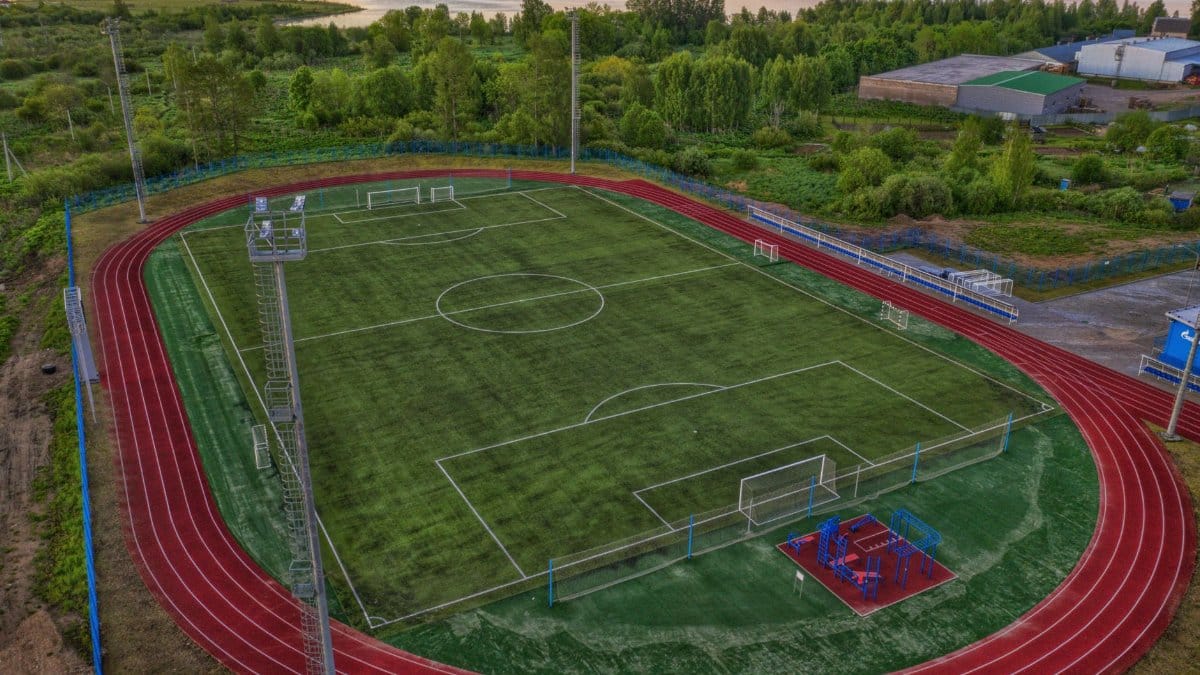
Renderings show multiple fields an indoor arena and green spaces intended to serve both competitive teams and casual visitors. Proponents argue the investment will attract regional tournaments and boost nearby businesses through increased foot traffic. Detours during construction are already mapped to minimize disruption to surrounding streets.
Economic Ripple Effects Across the Region

Supporters project new jobs during both the build phase and subsequent operations while skeptics question whether promised revenue will reach smaller merchants. Past stadium projects elsewhere suggest mixed outcomes depending on programming and accessibility. Local chambers of commerce have begun workshops to help businesses prepare for the transition period.
Voices from Residents Weighing Loss Against Promise

Longtime spectators express nostalgia tempered by recognition that facilities must evolve. One former athlete described the impending change as bittersweet noting the new complex might offer better training resources for the next generation. Others worry that sanitized modern designs could erase the intimate character that made the original site feel like home turf for so many.