

In the packed halls of a Milwaukee community center election night brought a hush as results trickled in from across the state. Supporters of two very different visions for the Democratic Party waited to learn which approach would carry forward. The Wisconsin primary analysis showed how concerns over electability shaped the outcome in a contest that remained close until the final counts arrived from key counties.
Moderate Candidate Prevails in Tight Contest

The race for governor featured a clear contrast in styles and policy emphasis. A candidate focused on broad appeal edged out a rival who pushed for more sweeping changes in areas such as health care and taxation. Returns from urban centers and suburban districts proved decisive in the final tally.
Progressive Forces Show Strength in Neighboring State

Across the border in Minnesota a different result emerged. A candidate aligned with progressive priorities secured the nomination with room to spare. This outcome highlighted how regional differences can influence voter priorities even in states that share many economic and cultural traits.
Electability Emerges as Central Theme

Throughout the campaign the idea of who could win in November surfaced repeatedly in debates and advertisements. Voters appeared to weigh this factor heavily when making their selections at the polls. The Wisconsin primary analysis indicated that this consideration helped tip the balance in several key areas.
Turnout Patterns Reveal Shifting Priorities

Participation rates varied across demographic groups with higher engagement in districts that favored the more centrist message. Rural counties showed steady support while urban precincts split along lines of age and income. These patterns offered clues about the current mood within the party.
Policy Differences Highlight Party Divides

The leading candidates differed sharply on issues such as education funding and energy development. One side stressed pragmatic steps that could gain support from independents while the other advocated bolder steps to address long standing challenges. Such contrasts helped frame the discussion for primary voters.
Implications for Fall Campaign Season
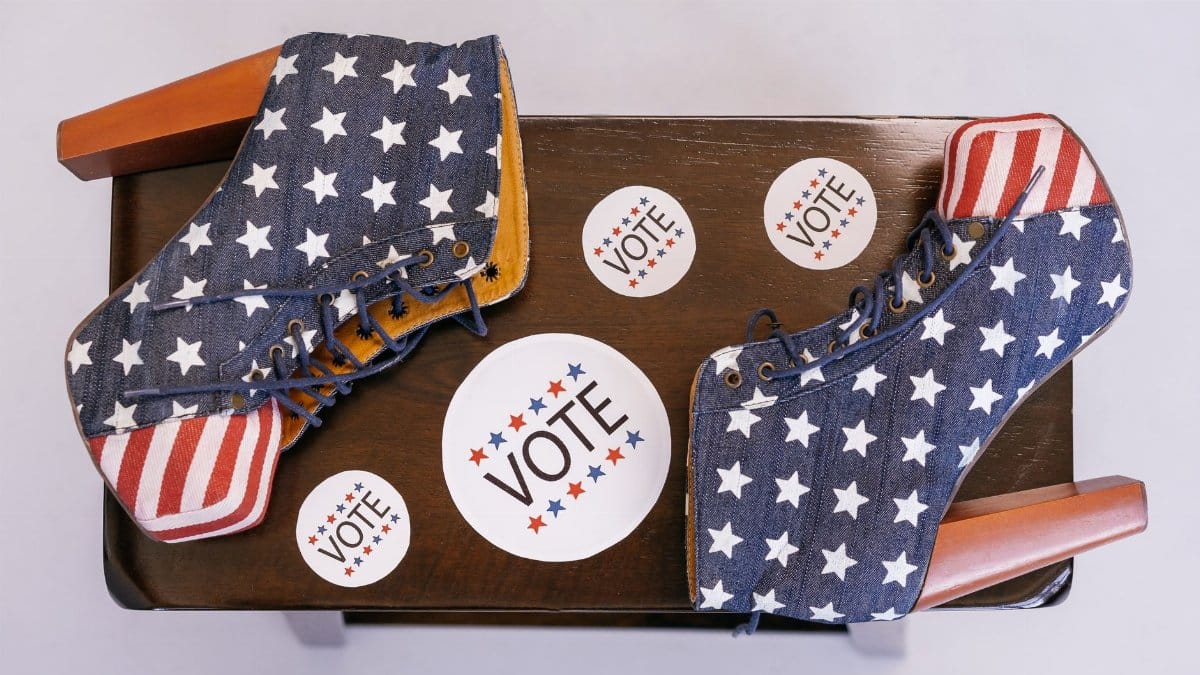
With nominations now settled attention turns to the general election matchup. The narrow margin in Wisconsin suggests that both parties will need to refine their messages to reach undecided voters. Observers expect continued focus on economic concerns and public safety as central topics.
Lessons from Recent Voting Trends
Past primaries in the region have sometimes favored candidates with strong ideological profiles. This cycle showed a preference for balance in one state and continued momentum for change in another. The Wisconsin primary analysis points to the ongoing evolution of voter expectations within Democratic ranks.