

In a welcome sign of spring’s early arrival, the City of Valparaiso has lifted its Frost Law restrictions ahead of schedule, thanks to unseasonably warm temperatures sweeping through northern Indiana. This decision, part of the “indiana frost law lifted” wave affecting local roads, restores full access for commercial trucking and heavy construction equipment, easing burdens on businesses and infrastructure projects. As reported by the city in its latest civic alert ( here ), the move underscores proactive planning while the municipality ramps up community engagement through its “Map the Vision” interactive workshop. Residents are invited to help shape the Valpo Vision 2050 comprehensive planning map, blending immediate road relief with long-term vision for the area’s growth.
Understanding Frost Laws in the Midwest

Frost laws have long been a staple of seasonal road management in regions like Indiana, where winter’s deep freezes give way to precarious thaws. These restrictions limit weights on certain roads to prevent damage from unstable, waterlogged soil beneath the pavement—a practice rooted in protecting public infrastructure during vulnerable transition periods. In Valparaiso, the early end to these rules signals confidence in current conditions, allowing normal operations to resume without the usual delays into late spring. This isn’t just a local tweak; it’s a reflection of how municipalities balance safety with economic needs, especially as warmer weather accelerates the thaw process.
Unseasonably Warm Weather Triggers the Change

The catalyst for this timely lift? A spell of unseasonably warm temperatures that has melted away the frost much faster than anticipated. Typically, such restrictions linger until soils fully stabilize, but Valparaiso’s decision highlights adaptive governance attuned to real-time environmental shifts. According to the city’s announcement, these conditions have created a safe window to end limitations, preventing unnecessary holdups for haulers and builders. It’s a pragmatic response that keeps the local economy humming, demonstrating how weather patterns increasingly dictate infrastructure timelines in the Midwest.
Restored Access for Commercial Trucking

Commercial trucking stands to gain the most from the indiana frost law lifted in Valparaiso. Heavy loads, previously capped or rerouted, can now traverse key routes without penalty, streamlining supply chains for retailers, manufacturers, and distributors in the region. This full restoration means fewer detours, reduced fuel costs, and faster deliveries—critical in an area where logistics play a pivotal role in daily commerce. The change arrives at an opportune moment, supporting industries that have navigated seasonal hurdles for years and underscoring the city’s commitment to facilitating business mobility.
Boost for Construction and Infrastructure Projects
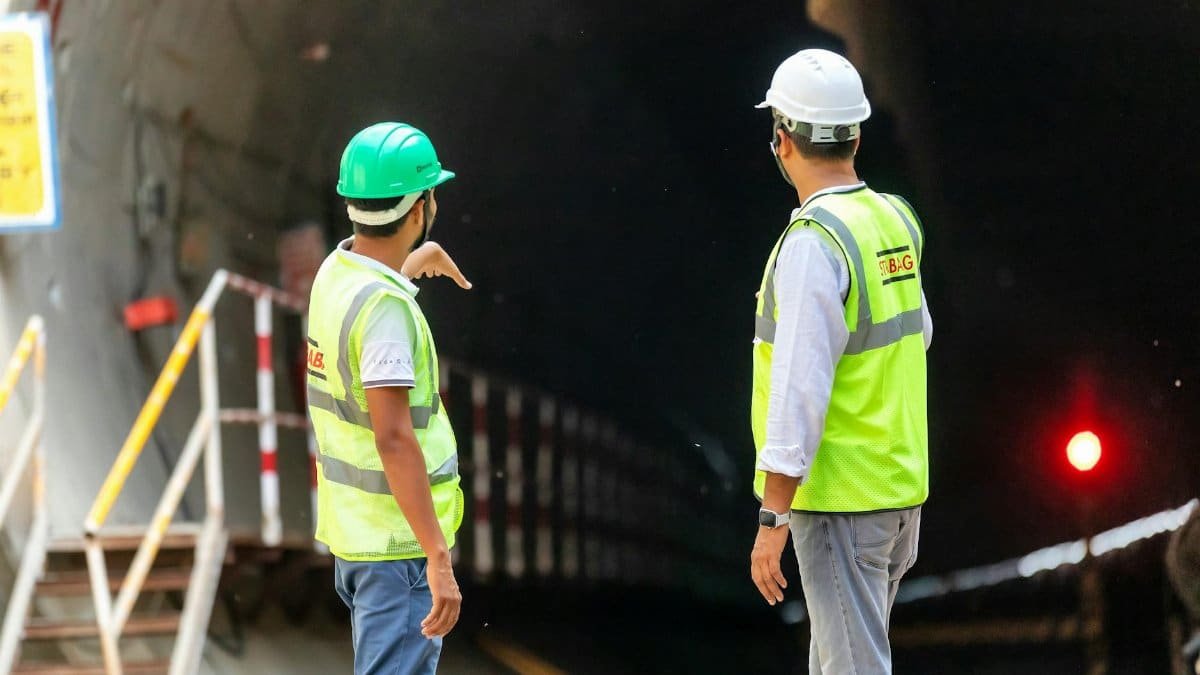
Construction equipment, too, breathes a sigh of relief with the restrictions gone. Projects that were idling or scaling back due to weight limits can now accelerate, from road repairs to new developments. This early lift aligns with broader infrastructure demands, ensuring that Valparaiso’s streets and utilities keep pace with community growth. By prioritizing such access, the city not only aids contractors but also invests in the longevity of its roadways, a forward-thinking approach amid rising demands for resilient public works.
Introducing the “Map the Vision” Workshop
Alongside the road update, Valparaiso is energizing civic participation through its “Map the Vision” interactive workshop. This hands-on forum invites residents to contribute directly to the drafting of the Valpo Vision 2050 comprehensive planning map. It’s more than a meeting—it’s a collaborative platform where locals voice priorities on land use, transportation, and development. The timing feels serendipitous, pairing immediate infrastructure wins with a call for long-term input, fostering a sense of ownership in the city’s future trajectory.
Shaping Valpo Vision 2050 Together

At the heart of the workshop is Valpo Vision 2050, a blueprint for sustainable growth over the next quarter-century. Residents’ ideas will influence everything from zoning to green spaces, ensuring the plan reflects real community needs rather than top-down decrees. This resident-driven process exemplifies inclusive planning, where everyday voices help craft policies that support evolving infrastructure—like the very roads now freed from frost constraints. It’s a model of engagement that could inspire neighboring Indiana towns navigating similar seasonal and developmental challenges.
Proactive Planning Meets Local Needs

These dual announcements—the indiana frost law lifted and the visioning workshop—paint a picture of proactive municipal leadership. Valparaiso isn’t just reacting to weather; it’s aligning short-term fixes with strategic foresight, bolstering infrastructure while inviting public buy-in. Such steps address local needs head-on, from easing commercial flows to envisioning resilient communities. In an era where climate variability shortens winters and stresses roads, this blend of agility and ambition positions the city as a forward-leaning example. Brief insights from Midwest transportation studies, like those from the Indiana Department of Transportation, affirm that early lifts during mild thaws can cut maintenance costs by up to 20% without compromising safety, seamlessly supporting Valparaiso’s approach.
Why This Matters for Valparaiso Residents

For everyday Valparaiso folks, the impacts ripple outward. Truckers save time and money, construction crews meet deadlines, and future planning ensures roads evolve with the community. The frost law’s end minimizes disruptions, while the workshop empowers voices in decisions that shape daily life. Together, they reflect a city attuned to both immediate pressures and enduring goals, nurturing an environment where infrastructure supports prosperity. As warmer days settle in, these moves signal not just seasonal relief, but a commitment to thriving amid change.
Ahead: Sustained Momentum for Growth
Looking forward, the lifted restrictions and ongoing visioning efforts set the stage for sustained progress. With full road access secured and community mapping underway, Valparaiso is primed to tackle infrastructure needs efficiently. This holistic strategy—reactive to weather yet visionary in scope—ensures that local planning keeps pace with real-world demands. Residents tuning into the “Map the Vision” sessions will play a key role, turning collective input into actionable paths for Valpo Vision 2050. In the end, it’s this proactive ethos that fortifies the city’s foundations for decades to come.