

In an era of relentless economic pressures, the United States Postal Service has introduced what it calls a usps temporary fuel surcharge, an 8 percent add-on to package delivery rates effective April 26. This move, billed as a short-term measure to combat surging fuel costs, marks the first time in its 247-year history that USPS has imposed such a direct fuel-related fee on parcels. Consumers and online sellers, already grappling with inflation, now face higher shipping expenses that could ripple through e-commerce and everyday mailings. Drawing from official announcements, this surcharge applies to Priority Mail and other key services, potentially adding dollars to each shipment amid volatile energy markets. As households tighten belts, the decision underscores the postal service’s vulnerability to global oil fluctuations.
The Official Announcement Details

The USPS revealed the surcharge in a national release dated March 25, outlining its scope clearly. It targets transportation costs for packages, excluding letters and flats, and lasts only as long as fuel prices remain elevated. According to the USPS newsroom, the 8 percent rate adjusts weekly based on diesel averages reported by the Department of Energy. This formula aims for transparency, yet many question its brevity given persistent energy volatility. Postal leaders frame it as essential for operational stability, but critics see it as a pass-through tax on users.
Roots in Skyrocketing Fuel Prices

Fuel expenses have ballooned for USPS, which operates one of the largest civilian vehicle fleets in the world, over 230,000 units strong. Diesel prices, hovering near four dollars per gallon in recent months, strain budgets already stretched by labor contracts and infrastructure needs. The surcharge responds directly to these hikes, mirroring tactics used in trucking and aviation. Economists note that while oil markets stabilize somewhat, geopolitical tensions keep prices unpredictable, justifying the temporary label for now.
A Historic First for the Postal Service

Never before has USPS layered on a fuel surcharge explicitly tied to packages. Past rate increases came through annual adjustments or extraordinary measures during crises like the pandemic. This innovation breaks tradition, signaling desperation amid chronic deficits. Historians of the postal system point to its universal service obligation, mandated by Congress, as a handcuff preventing full market pricing. The usps temporary fuel surcharge thus represents a creative workaround, though one that invites scrutiny from regulators.
Direct Hit to Consumers

For the average American sending gifts or returns, the impact feels immediate. A 10-dollar Priority Mail box jumps to 10.80 dollars, small but cumulative for frequent shippers. Families mailing care packages to college students or holiday goods face these extras without recourse. Surveys from consumer groups like the Consumer Federation of America highlight growing frustration, with many vowing to batch shipments or seek local options. The surcharge, while temporary, amplifies broader cost-of-living woes.
E-commerce Sellers Feel the Burn

Online merchants, from Etsy artisans to Amazon third-party vendors, rely on USPS for affordable shipping. The usps temporary fuel surcharge erodes thin margins, forcing price hikes or absorbed losses. Platforms like eBay report sellers recalculating rates overnight, potentially slowing sales in a competitive market. Small businesses, which ship millions of parcels yearly via USPS, decry the lack of advance notice, disrupting planning. One Virginia shop owner shared that her monthly shipping bill could rise by hundreds, squeezing profits further.
Waves of Public Outrage
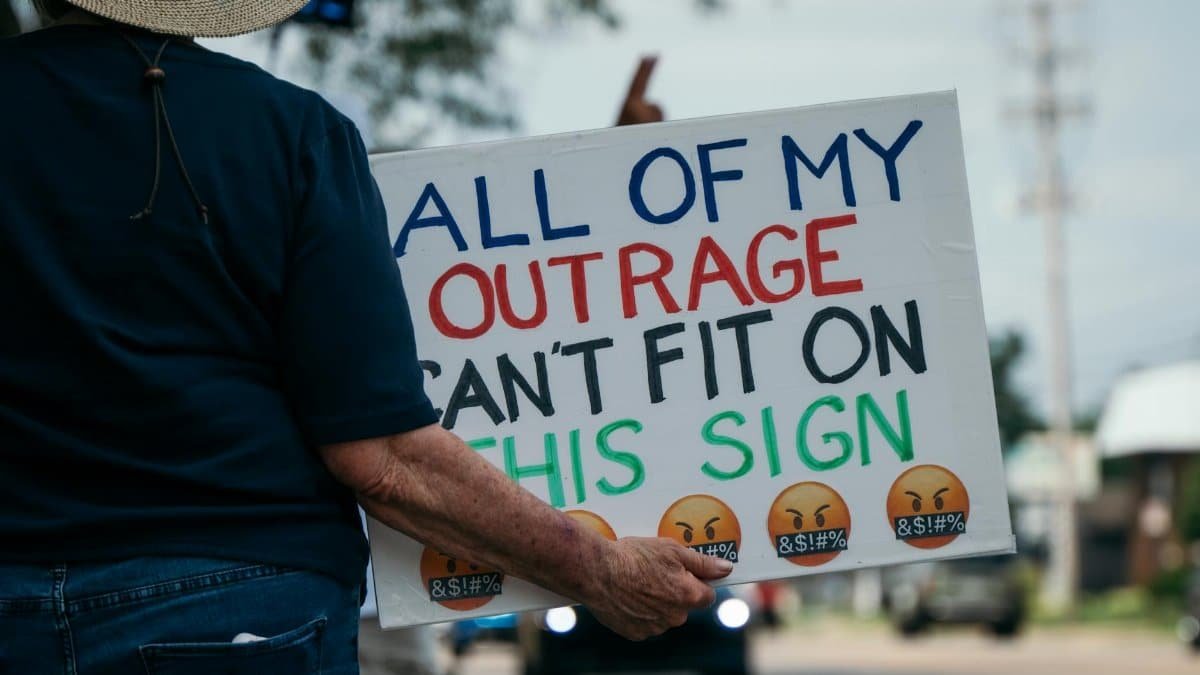
Social media erupts with complaints under hashtags like #USPSFuelHike, blending financial rage with calls for accountability. Forums on Reddit and Facebook brim with stories of unexpected charges, fueling distrust in the agency. Consumer advocates argue the surcharge lacks statutory backing, urging congressional oversight. This backlash echoes past USPS controversies, from stamp price jumps to service delays, painting a picture of an institution out of touch with users.
USPS’s Deeper Financial Struggles

Beneath the surcharge lies a fiscal crisis years in the making. USPS posted losses exceeding 9 billion dollars last year, hampered by a 1970s pension law and declining mail volume. E-commerce growth offers some relief via packages, but fuel surcharges alone won’t solve systemic issues. Reforms proposed in Congress, including network modernization, remain stalled. The temporary measure buys time, yet experts warn of more hikes if volumes don’t rebound.
How It Stacks Up Against Competitors

UPS and FedEx have long employed fuel surcharges, often 10 to 20 percent, baked into contracts. USPS, historically the low-cost option, now aligns closer to rivals, potentially ceding its edge. While private carriers pass costs fluidly, USPS’s public mandate invites more resistance. Shippers weighing options might shift to ground services, though rural users have few alternatives. This convergence pressures all players in a consolidating logistics landscape.
Navigating the Weekly Adjustments

The surcharge recalibrates every Monday based on a two-week diesel average, promising responsiveness. USPS provides a calculator on its site for estimates, aiding planning. Yet volatility could see rates swing from 5 to 15 percent, complicating budgeting. Businesses track indices closely, hedging against spikes. For consumers, apps and newsletters now monitor these changes, turning shipping into a strategic game.
Potential Long-Term Ramifications

If fuel prices linger high, the usps temporary fuel surcharge might evolve into permanence, reshaping postal economics. Lawmakers could intervene with subsidies or deregulation, but partisan gridlock persists. Environmental angles emerge too, as electrification efforts lag, keeping diesel dependency acute. Broader supply chain strains from port backlogs amplify the urgency, linking USPS to global trade flows.
Tips for Minimizing the Impact

Shippers can consolidate packages, opt for slower services, or compare carriers via tools like ShipStation. USPS encourages flat-rate boxes, which may dodge some surcharges. Bulk mailers negotiate commercial rates, often lower. Consumers might explore pickup points or media mail for books, skirting fees. Proactive strategies turn frustration into efficiency.
Echoes of Financial Rage Across America

This surcharge taps into widespread economic discontent, where every penny counts amid grocery and mortgage pressures. Middle-class families, the postal service’s core, voice a collective fury that transcends politics. It symbolizes how everyday essentials bear global shocks, from Ukraine to OPEC. As voices grow louder, USPS must balance survival with service, lest trust erode further. The temporary fix tests resilience, hinting at tougher choices ahead.
By Chris F. Weber