

Can you straighten your fingers? A new repetitive strain injury dubbed “iPad hand” is striking tablet users, leading to a permanent claw-like deformity after hours of prolonged holding. Reported on February 2, 2026, this condition highlights the hidden toll of constant device grip. Fingers curl into a rigid, hooked shape, resisting efforts to extend fully. Medical observers warn it’s becoming common among those glued to screens for work or leisure, turning everyday tech habits into lasting physical damage.
What Is iPad Hand?
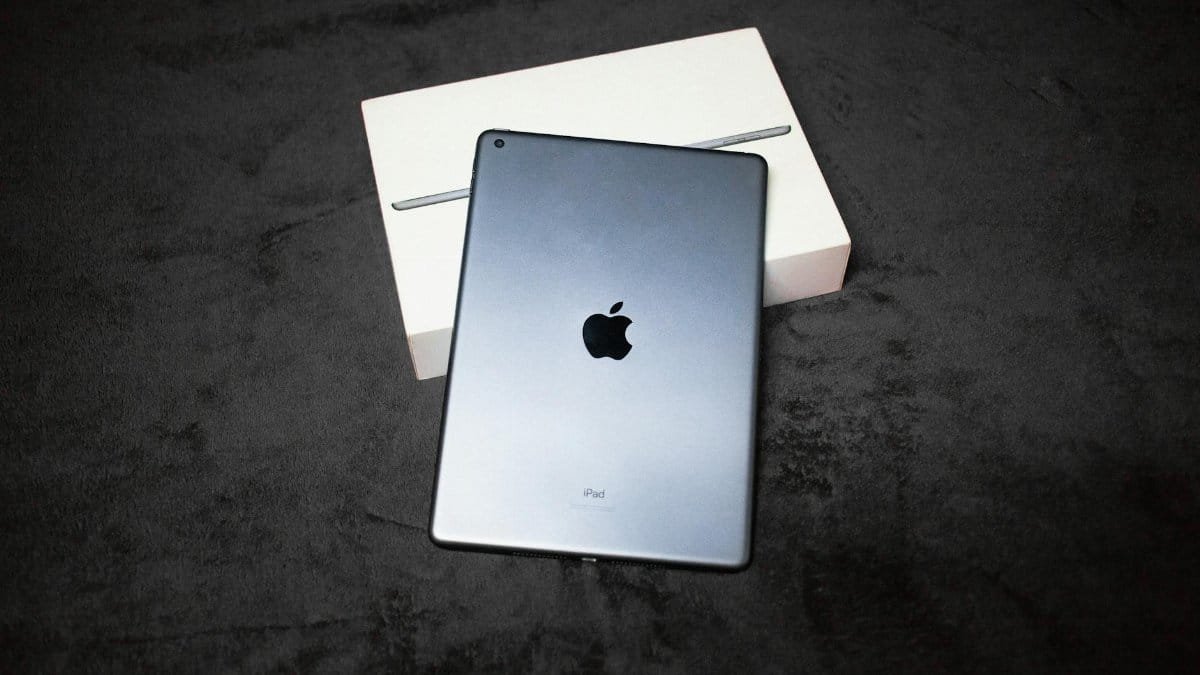
iPad hand emerges as the latest repetitive strain injury tied directly to tablet overuse. It manifests as a claw-like deformity where fingers lock into a bent position. The core issue stems from extended hours clutching devices like iPads, straining hand muscles and tendons. Unlike temporary cramps, this version solidifies into permanence, altering grip and dexterity forever. Health reports from early 2026 flag it as a growing concern in the U.S., where tablet reliance surges for remote work and entertainment.
The Claw-Like Deformity Explained
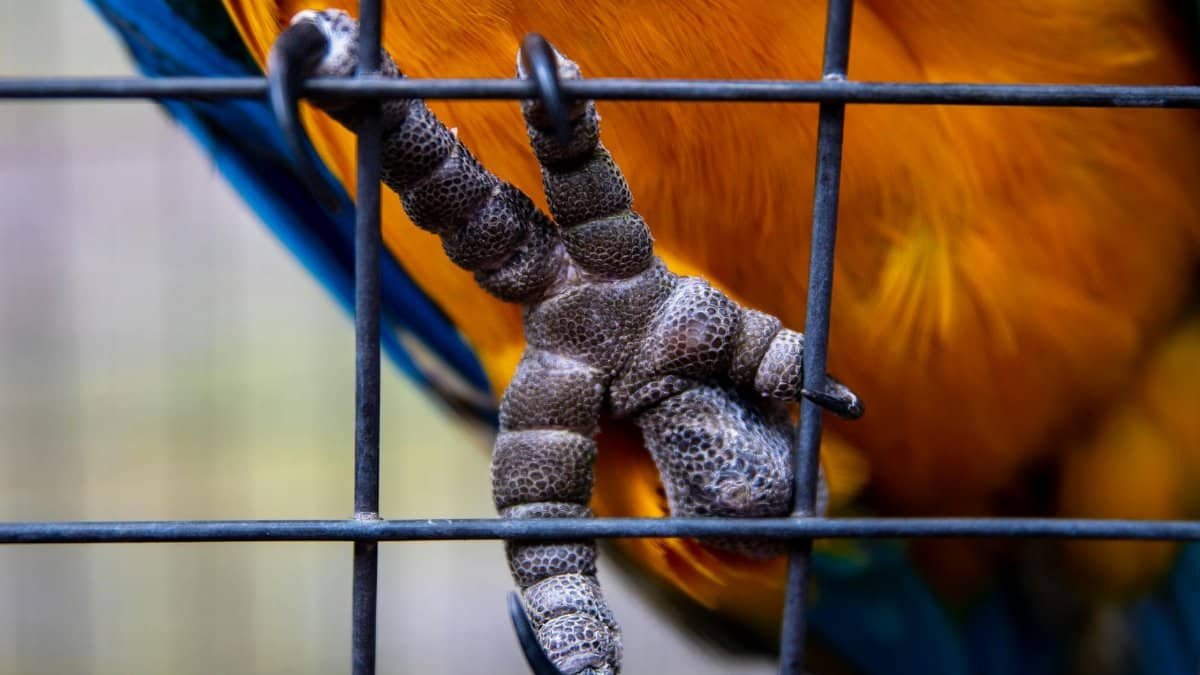
Picture fingers frozen in a hooked curl, unable to flatten against a surface. That’s the hallmark of iPad hand. The deformity develops gradually but becomes irreversible, with joints and muscles adapting to the constant flexed posture. Victims report stiffness escalating to outright immobility. This permanent change disrupts simple tasks like typing or holding objects, underscoring how subtle strain accumulates into profound loss of function. Early detection proves challenging, as initial symptoms mimic fatigue.
Root Cause: Hours of Tablet Holding
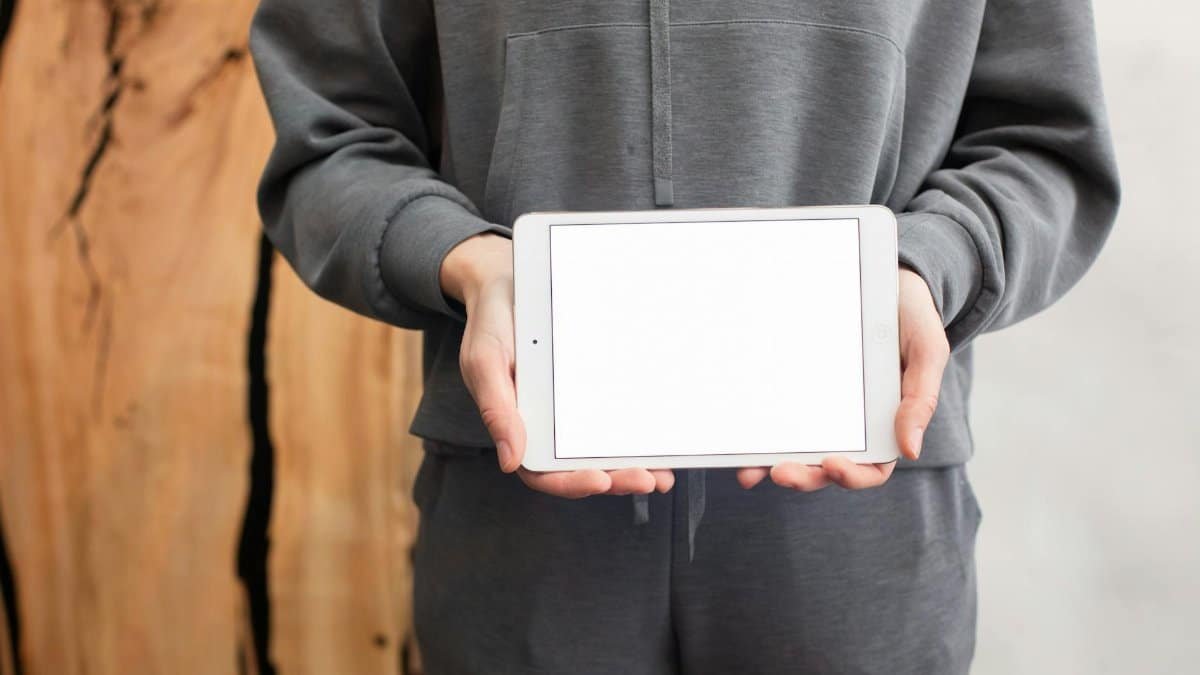
Prolonged tablet sessions are the undeniable trigger. Holding an iPad for hours—whether scrolling news, editing documents, or streaming—forces a sustained grip that fatigues flexor tendons. The device’s flat design demands awkward wrist angles, amplifying pressure on hand structures. In 2026, with hybrid work models boosting screen time, this habit affects professionals and casual users alike. The injury builds silently through repetition, turning convenience into a biomechanical trap.
Repetitive Strain Injury Connection
iPad hand fits squarely into the repetitive strain injury family, where micro-traumas from repeated motions erode tissue integrity. Tablets exacerbate this by requiring constant one-handed or propped support, unlike keyboards with ergonomic rests. U.S. health trends show rising RSI cases linked to portable tech, with iPad hand as the newest variant. For background on RSI mechanics, the CDC’s ergonomics resources outline how such patterns lead to chronic damage.
Who Is Most at Risk?

Anyone logging hours on tablets faces vulnerability, but heavy users top the list. Remote workers, students, gamers, and avid readers gripping devices daily invite the risk. The deformity strikes those maintaining flexed holds without breaks, particularly in non-ergonomic setups. By February 2026, reports suggest it’s surfacing across demographics, from office pros to retirees binge-watching. No age or gender immunity exists; duration of use dictates onset.
Permanence: Why It Doesn’t Reverse

The scariest aspect of iPad hand is its lasting nature. Once tendons shorten and joints remodel, standard stretching fails to restore flat extension. This claw grip becomes the new normal, complicating rehab efforts. Medical insights compare it to entrenched contractures, where early intervention windows close quickly. Users discover too late that hours of holding have etched irreversible changes, demanding adaptive tools or therapies for daily life.
Early Signs to Watch For

Subtle clues precede the full claw deformity: aching grips, finger tingling, or reluctance to uncurl after sessions. These red flags signal building strain from tablet habits. Ignoring them allows progression to locked fingers. In 2026’s fast-paced tech culture, self-checks—like testing finger straightening—offer a frontline defense. Awareness campaigns urge monitoring, as the jump from discomfort to permanence happens faster than expected.
Broader Health Implications
Beyond hands, iPad hand signals wider ergonomic pitfalls in tablet-dominated routines. It strains wrists and elbows too, potentially chaining into full upper-limb issues. U.S. workplaces grapple with this as productivity tools backfire physically. For deeper RSI context, the Mayo Clinic’s overview details tendon overload risks mirroring iPad hand. Addressing it demands rethinking device interactions amid 2026’s screen saturation.
This emerging threat from iPad hand underscores a stark reality: tech’s grip on daily life is literally reshaping bodies. With cases mounting, users must confront the cost of endless scrolling and swiping.