
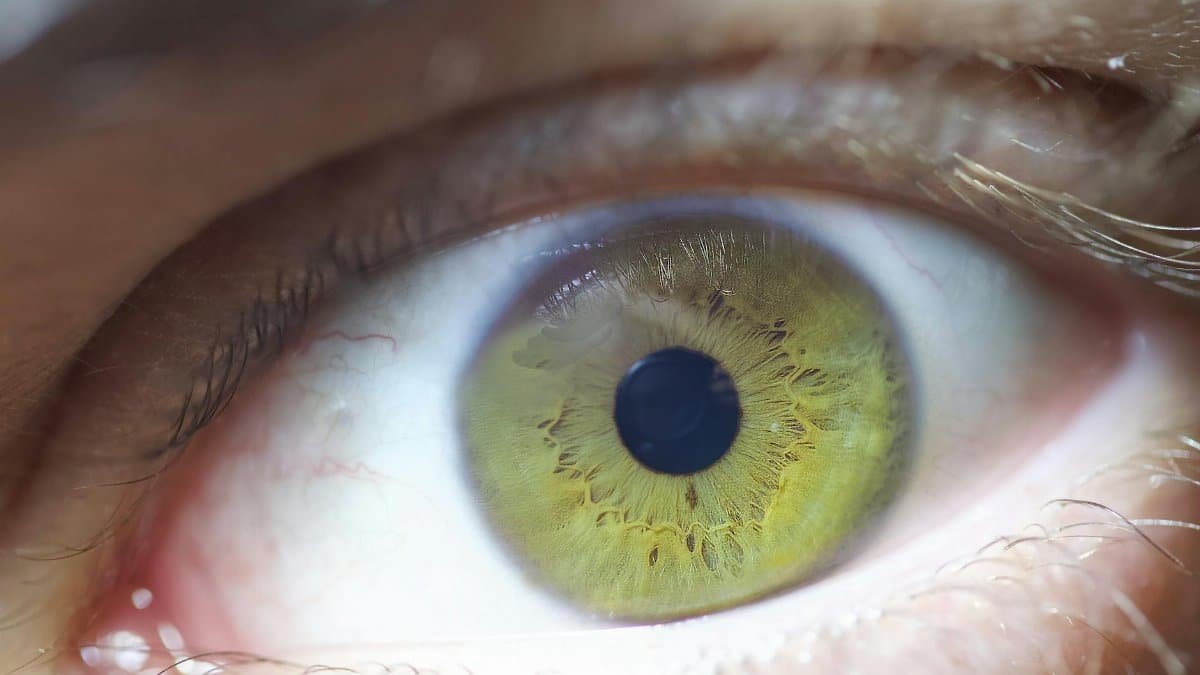
Optometrists are sounding the alarm: could your anti-aging retinol be sabotaging your eyes? On February 6, 2026, eye care professionals issued a stark warning against applying retinol too close to the eyelids. The popular skincare ingredient, hailed for smoothing wrinkles, is destroying delicate oil glands and triggering permanent dry eye disease. Users beware—retinol dry eye risks lurk in everyday beauty routines, turning a quest for youthful skin into a vision threat. This punchy advisory highlights a hidden danger in the booming anti-aging market.
Optometrists’ Direct Warning

Eye doctors delivered a clear message on February 6, 2026: keep retinol far from your eyelids. The caution targets a common mistake among skincare enthusiasts who slather anti-aging creams near the eyes for maximum effect. Optometrists emphasized that proximity matters—too close, and the damage begins. This isn’t subtle advice; it’s a call to rethink application habits amid rising retinol use in U.S. beauty regimens.
Retinol’s Path to Eye Damage

Retinol, a potent retinoid derivative, penetrates skin aggressively. When dabbed near the eyes, it targets sensitive eyelid tissues. The result? Oil glands suffer direct assault. These glands, vital for eye lubrication, break down under retinol’s influence. What starts as a glow-up routine spirals into chronic issues, as warned by optometrists. The February alert underscores how everyday products pack unintended punch.
Oil Glands: The Hidden Victims

Oil glands in the eyelids produce the lipid layer essential for tear film stability. Retinol disrupts this process, leading to gland destruction. Optometrists pinpoint this as the core mechanism behind retinol dry eye. Without healthy oil output, tears evaporate too fast, sparking irritation and discomfort. The 2026 warning frames this as a preventable crisis in anti-aging trends.
Meibomian Glands Under Fire

Specifically, retinoids damage meibomian glands lining the eyelids. These structures secrete oils that prevent tear evaporation. When retinol creeps too close, it inflames and atrophies them, per the optometric alert. This gland dysfunction forms the foundation of dry eye disease. U.S. eye experts in 2026 are flagging it as a growing concern tied to aggressive skincare.
For deeper insight into meibomian gland dysfunction, see the American Optometric Association’s resource.
Dry Eye Disease Explained
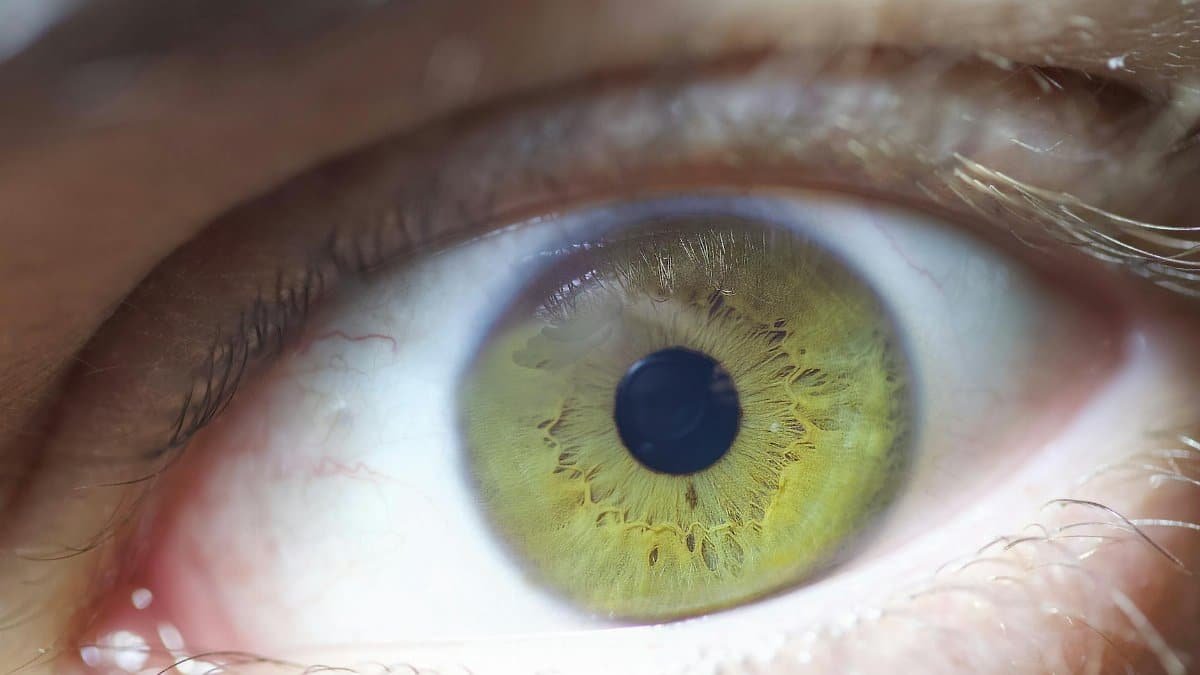
Dry eye disease manifests as gritty, burning sensations, blurred vision, and constant fatigue. Retinol accelerates this by wrecking oil production. Optometrists stress the condition’s tenacity once glands are compromised. In 2026, with retinol creams dominating shelves, more users face these symptoms unknowingly. The warning aims to halt the trend before it blindsides beauty fans.
Details on dry eye impacts are available from the National Eye Institute.
Why the Damage Sticks—Permanently
Optometrists label the harm permanent because destroyed oil glands don’t regenerate easily. Retinol’s toxicity lingers, scarring tissues and halting oil flow indefinitely. Early application near eyes sets a irreversible course. This 2026 advisory pushes prevention over cure, noting surgery or plugs offer limited relief post-damage. Skincare seekers must prioritize eye safety now.
Anti-Aging Boom Fuels the Risk
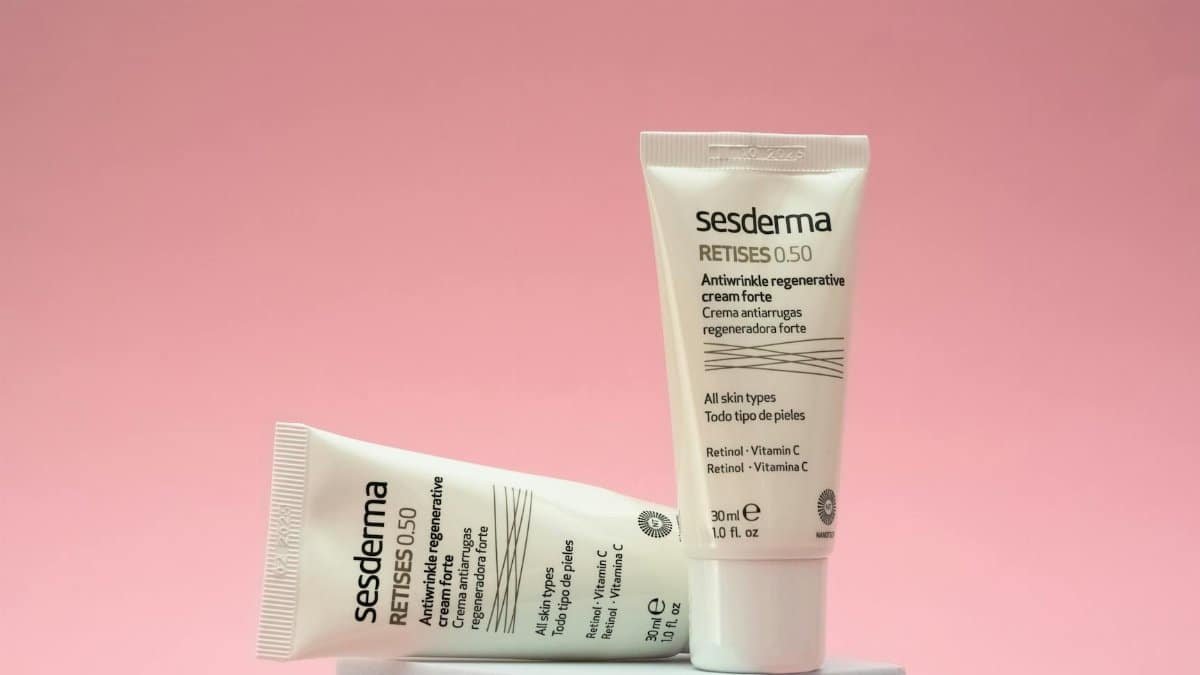
Retinol’s rise in U.S. markets amplifies the threat. Marketed for fine lines and firmness, it’s a staple in 2026 routines. Yet optometrists warn proximity to eyes turns benefits toxic. Lids absorb products rapidly, inviting gland meltdown. The February 6 alert coincides with peak beauty season, urging labels and education to curb misuse.
Simple Fix: Application Boundaries
“Keep it away from your lids” sums up the optometrists’ plea. Stop at the orbital bone; use barriers like petroleum jelly nearby. This boundary protects glands while preserving retinol perks elsewhere. In 2026, eye pros advocate precise routines amid aggressive marketing. Awareness from this warning could spare thousands from retinol dry eye.
Broader Implications for Skincare
The alert ripples beyond individuals. It challenges beauty industry norms pushing boundary-testing applications. Optometrists call for better labeling on retinoid risks. U.S. consumers, chasing ageless skin, now weigh trade-offs. Retinol dry eye spotlights how trends collide with health, demanding vigilance in 2026 and beyond.
Steps to Safeguard Your Eyes

Listen to optometrists: audit routines, consult pros before eyelid use, and monitor for dryness. Hydrate eyes with approved drops if needed. This proactive stance counters retinol’s edge. The 2026 warning empowers users to enjoy anti-aging without permanent costs. Eye health trumps trends—act on the lid rule today.