

Optometrists are sounding the alarm: is your anti-aging retinol routine silently wrecking your eyes? On February 6, 2026, eye care experts issued a blunt warning. Applying retinol too close to the eyelids destroys critical oil glands, leading to permanent dry eye disease. The message is clear—keep it away from your lids. This revelation hits hard amid booming demand for youth-restoring skincare. Retinol dry eyes emerges as a hidden risk in everyday beauty habits, urging users to rethink application zones before irreversible damage sets in.
Optometrists Deliver Dire Alert

Eye specialists wasted no time on February 6, 2026. They declared that retinol, a staple in anti-aging creams, poses a severe threat when used near the eyes. The core issue? It targets the delicate oil glands in the eyelids. These glands keep eyes lubricated. Damage here spells trouble. Optometrists urged immediate caution, labeling the effects as potentially permanent. Their warning cuts through the glamour of skincare marketing, prioritizing eye health.
Retinol’s Assault on Oil Glands

Retinol works by speeding cell turnover for smoother skin. But proximity to eyes changes everything. When applied too close to lids, it infiltrates oil glands. These structures, nestled in eyelid tissue, produce the oily layer essential for tear stability. Destruction disrupts this balance. Glands atrophy or clog, halting oil output. The result mimics a slow sabotage of natural eye protection. For details on retinoid effects on meibomian glands, see All About Vision’s report on retinol and dry eyes.
Path to Permanent Dry Eye Disease

Dry eye disease strikes when tears evaporate too fast or lack proper composition. Retinol accelerates this by ruining oil glands. Without oil, tears break down rapidly. Symptoms build over time—grittiness, burning, blurred vision. Optometrists stress permanence: once glands are destroyed, recovery proves elusive. Treatments like drops offer relief, but core function rarely returns. This underscores why “permanent” carries weight in their 2026 alert.
Eyelids: The Vulnerable Target

Eyelids house the meibomian glands, thin-skinned and absorbent. Retinol creams migrate easily during application or sleep. Users rub or tap product upward, unaware of the creep. Lids absorb the active ingredient swiftly. This direct exposure amplifies harm. Optometrists note the irony—products promising eternal youth deliver eye-threatening dryness instead. Safe distance matters: eyelids demand a buffer zone from potent retinoids.
Anti-Aging Boom Meets Eye Risk
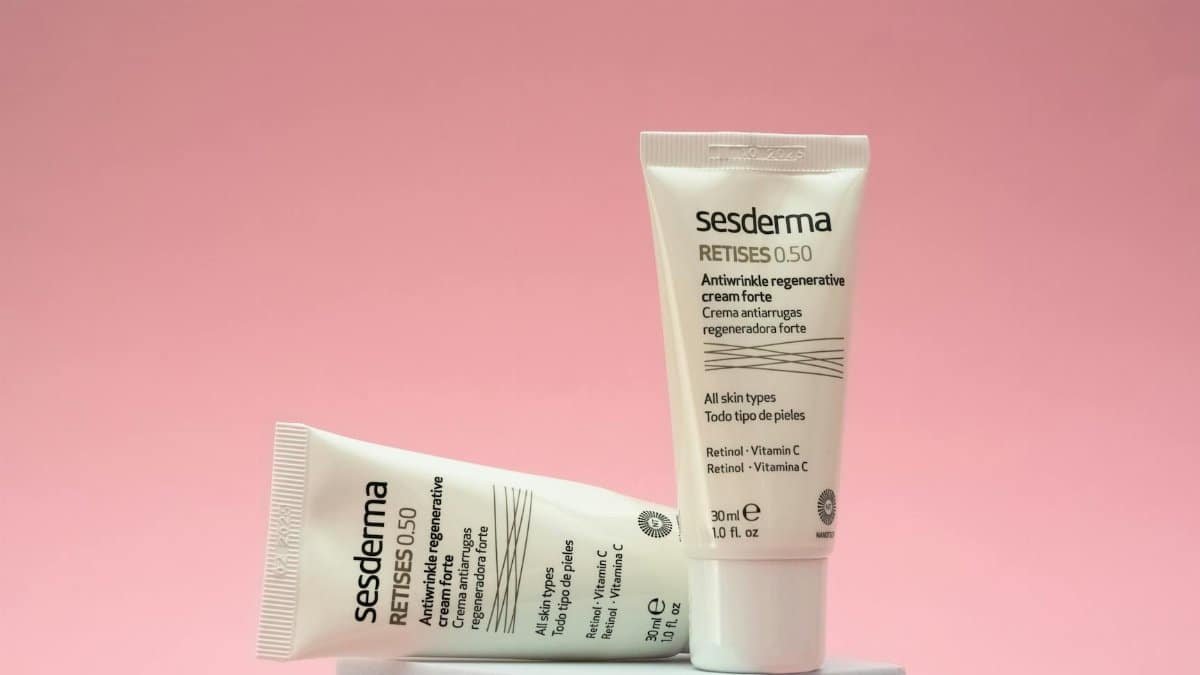
Retinol dominates U.S. skincare shelves in 2026. Consumers chase wrinkle reduction, slathering it nightly. Yet optometrists highlight a blind spot. Marketing skips eye warnings. Daily use near orbits builds cumulative damage. The February warning spotlights this disconnect. Beauty routines, once harmless, now risk chronic conditions. Experts push for label changes and user education to curb the trend.
Expert Call: Keep Retinol Away from Lids

The directive is simple and non-negotiable: steer clear of eyelids. Optometrists advise applying retinol from cheekbones down, stopping well below the orbital bone. Use barriers like eye cream first. Patch tests help gauge sensitivity. For those already affected, professional evaluation is key. This proactive stance aims to halt gland destruction early. Their unified voice on February 6 demands attention from skincare enthusiasts nationwide.
Broader Implications for Eye Health
Beyond individuals, the warning signals a public health pivot. Dry eye disease burdens millions yearly, straining clinics. Retinol’s role adds fuel. Optometrists foresee more cases tied to beauty products. In 2026, awareness campaigns could reshape habits. Linking skincare to ocular fallout reframes priorities. Gland health underpins clear vision—ignore it at peril. Supporting research appears in Review of Optometry’s coverage of retinoids and dry eye.
Steps to Protect Your Eyes Now

Action starts today. Audit your routine: check retinol placement. Opt for milder alternatives near eyes, like bakuchiol. Hydrate lids with warm compresses to support glands. Consult optometrists for personalized checks. If dryness hits, skip retinol entirely. These measures align with the experts’ plea. Prevention trumps cure when permanence looms. U.S. users, embracing 2026’s wellness focus, can lead by adapting swiftly.
The optometrists’ February 6, 2026, caution reshapes retinol dry eyes discourse. Beauty’s pursuit need not sacrifice sight. Heed the call—lids off-limits. Eyes thank you.