

By Natasha Weber
Roman concrete didn’t just survive two millennia of earthquakes, volcanic blasts and relentless seawater—it healed itself. Recent lab tests reveal why: tiny lime clasts inside the mix react with water to fill cracks, forming fresh minerals that bind everything back together. This ancient engineering feat unlocks stoic secrets for mental resilience, echoing the Roman philosophers who preached enduring the chaos of life with unshakeable grit. As modern science catches up, these timeless lessons bridge crumbling ruins and fractured minds.
The Unbreakable Backbone of Empire
For centuries, experts puzzled over why Roman structures like the Pantheon and seaside harbors outlasted their concrete counterparts, which crumble after decades. In 2017, researchers at MIT and Harvard cracked the code, publishing findings in Science Advances. Unlike Portland cement’s brittle uniformity, Roman opus caementicium incorporated volcanic ash and quicklime, creating a hot-mixed paste riddled with white flecks—self-healing clasts. Exposed to seawater, these nodules dissolve and recrystallize, sealing fissures wider than a pencil lead. It’s no accident; Romans iterated recipes for durability in brutal environments.
Self-Healing Chemistry in Action
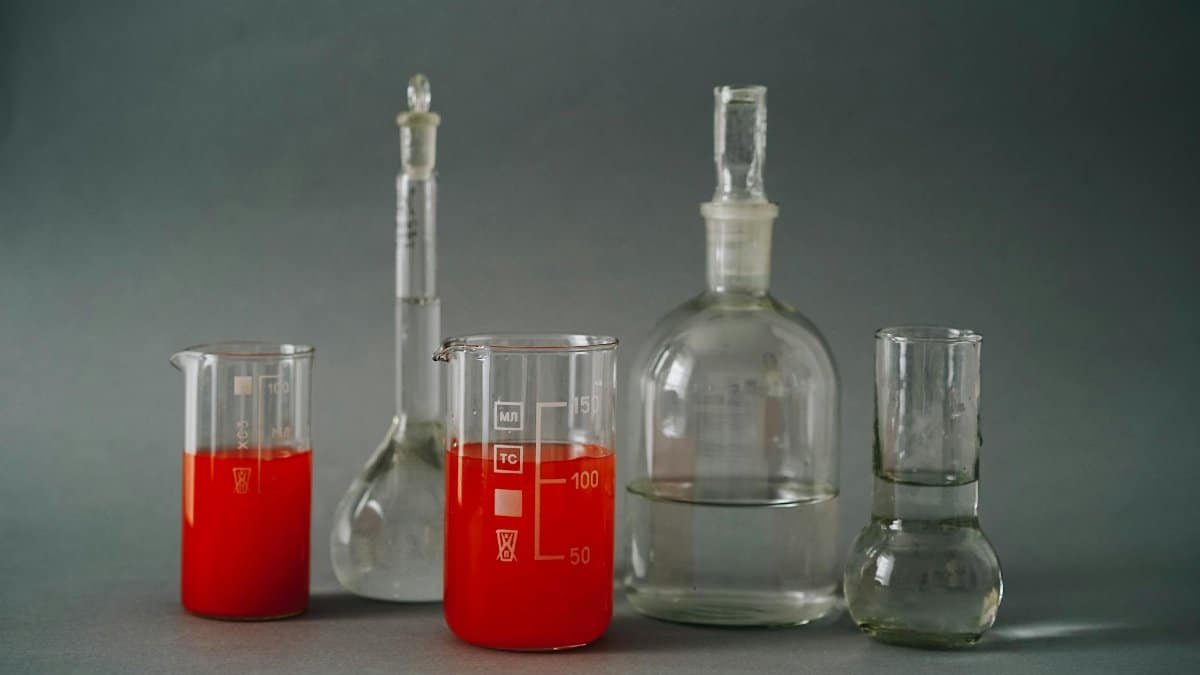
Under electron microscopes, the magic unfolds. When cracks snake through, water seeps in, triggering lime clasts to leach calcium and form calcium-aluminum-silicate-hydrate crystals. These minerals knit the gap tighter than before, boosting strength. A 2023 Berkeley study replicated it, submerging samples in simulated seawater for months; fractures vanished. Romans sourced pozzolana ash from Vesuvius, blending it precisely—2,000 pounds per cubic yard—for harbors that still stand in Israel and Italy. This isn’t passive endurance; it’s active regeneration, a blueprint for life’s inevitable breaks.
Stoicism’s Roman Roots
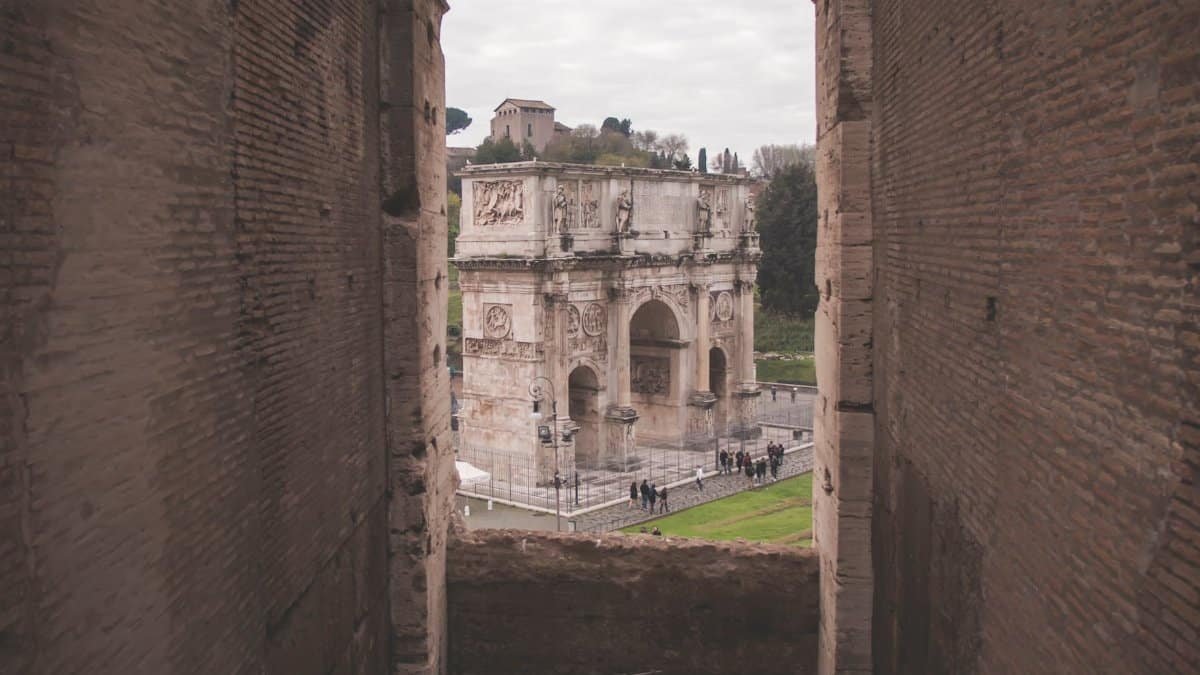
While engineers mixed mortar, philosophers like Seneca, Epictetus and Marcus Aurelius forged mental concrete. Born in Athens but thriving in Rome, Stoicism hit its peak under emperors facing plague, war and betrayal. Core tenet: Focus on internals—judgments, virtues—over externals like health or fortune. Meditations, scribbled by Marcus amid frontline campaigns, urge viewing obstacles as raw material. Just as concrete adapts to stress, Stoics train the psyche to transmute adversity into fortitude, ignoring fortune’s whims.
Control What Breaks, Ignore the Rest

Epictetus nailed it: Some things are up to us, others not. Roman concrete doesn’t rage against tides; its clasts mobilize internally. Translate to today—traffic jams, layoffs, arguments. Stoics ditch futile resistance, channeling energy into response. A Navy SEAL program adapted this dichotomy, cutting PTSD rates by reframing chaos. Your mind’s lime clasts? Daily reflection: What shattered today? Did I control the event? Rarely. But my reaction? Always. Heal by owning the rebuild.
Impermanence as the Ultimate Binder
Roman docks erode yet persist, mirroring memento mori—Stoic meditation on death. Marcus wrote, “You could leave life right now. Let that determine what you do.” Concrete’s cracks remind us: Nothing’s permanent, but regeneration is possible. Modern scans show Roman walls rehealing post-quakes, lime clasts activating under pressure. Psychologically, this fosters antifragility—Nassim Taleb’s term for thriving in disorder. Practice voluntary discomfort: Cold showers, fasting. Like pozzolana under heat, stress forges denser neural pathways, turning fragility to steel.
Reframing Pain: The Stoic Recrystallization

When cracks form—grief, failure—Stoics don’t patch superficially. Seneca advised premeditatio malorum: Visualize woes beforehand to rob their sting. Roman concrete’s chemistry does this automatically; our minds need priming. Journaling triggers cognitive lime clasts: Dissect emotions, trace to judgments. “Not the thing itself harms,” Epictetus said, “but our opinion.” A 2022 UCL trial found Stoic practices slash anxiety 30% by recoding narratives. Heal wider fissures faster by questioning the crack’s story.
Virtue Over Vibes in Turbulent Times

Marcus ruled amid Antonine Plague, losing 5 million souls. His fix: Arete—excellence through justice, courage, temperance, wisdom. Concrete’s volcanic ash lent pozzolanic reactivity; Stoic virtues provide psychological reactivity. Don’t chase fleeting highs; build habits that endure. Ryan Holiday’s “Obstacle Is the Way” sold millions by Romanizing modern hurdles. CEOs at Bridgewater swear by it, logging “pain plus reflection equals progress.” In boardrooms or battlefields, these stoic secrets transmute erosion into elevation.
Practical Mix for Modern Minds

Start simple: Morning meditation on control. Evening review: What virtues shone? Track like a Roman foreman tweaking ratios. Apps like Stoic pack Epictetus quotes; pair with breathwork to simulate clast activation under stress. A Wharton study links Stoic training to 20% grit gains in execs. For parents, model it—kids absorb resilience like seawater minerals. These stoic secrets aren’t relics; they’re deployable now, hardening psyches against 2024’s volatility: AI shifts, climate shocks, endless feeds.
Roman concrete whispers across centuries: Cracks come, but healing’s engineered. Stoicism equips us to do the same, turning mental harbors into unbreakable bastions. Dive into the ruins—your resilience awaits.