
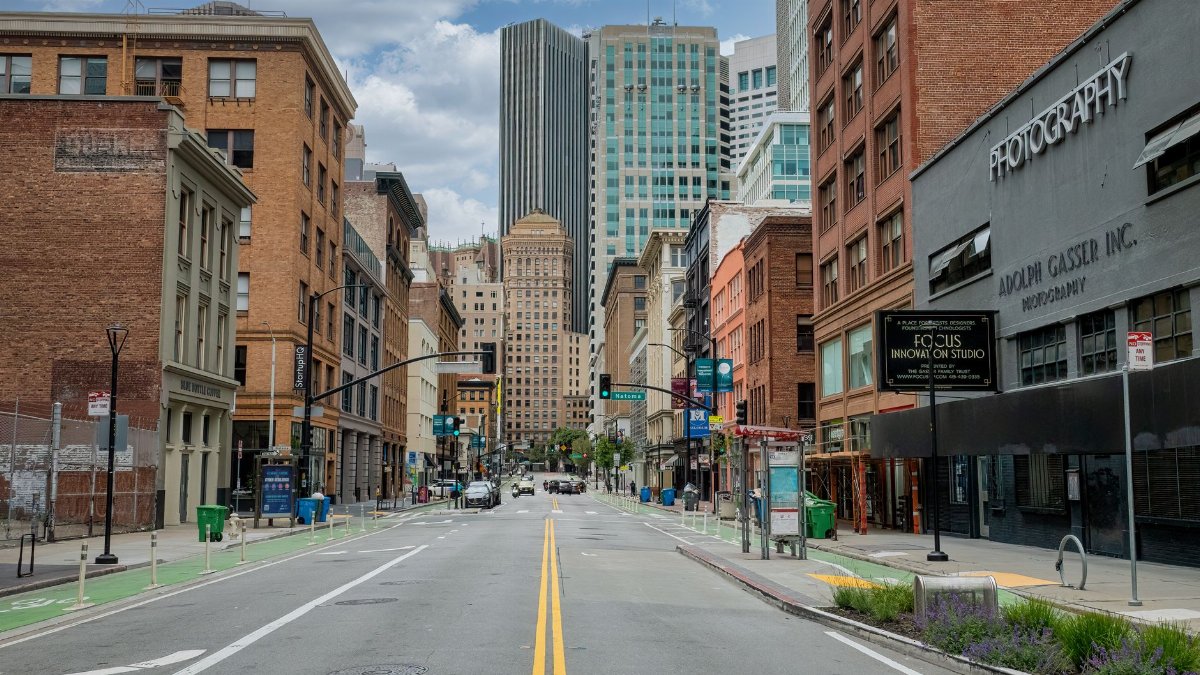
On a bright October morning, Market Street can still look like a city arguing with itself. Office towers cast long shadows over boarded windows, yet a bus stop fills, a coffee line forms, and someone pauses to read a new sign on a dark storefront. Into that uneasy mix comes the Uniqlo San Francisco opening, set for October 9 at 801 Market Street. The Japanese apparel company is returning downtown after closing its Powell Street flagship, a departure that many residents read as another verdict on the neighborhood. The new date is modest on a calendar and large in symbolism. It asks whether a familiar retailer can help restore the ordinary rhythm of browsing, buying, and walking on with a bag in hand.
A return to Market Street
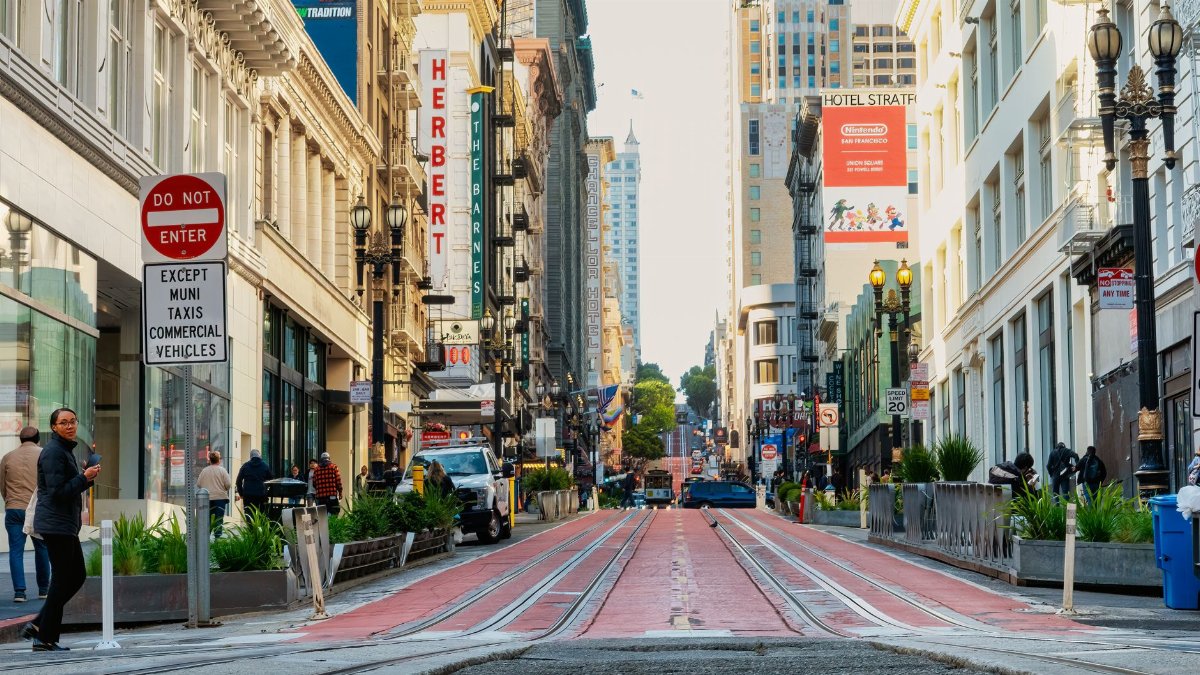
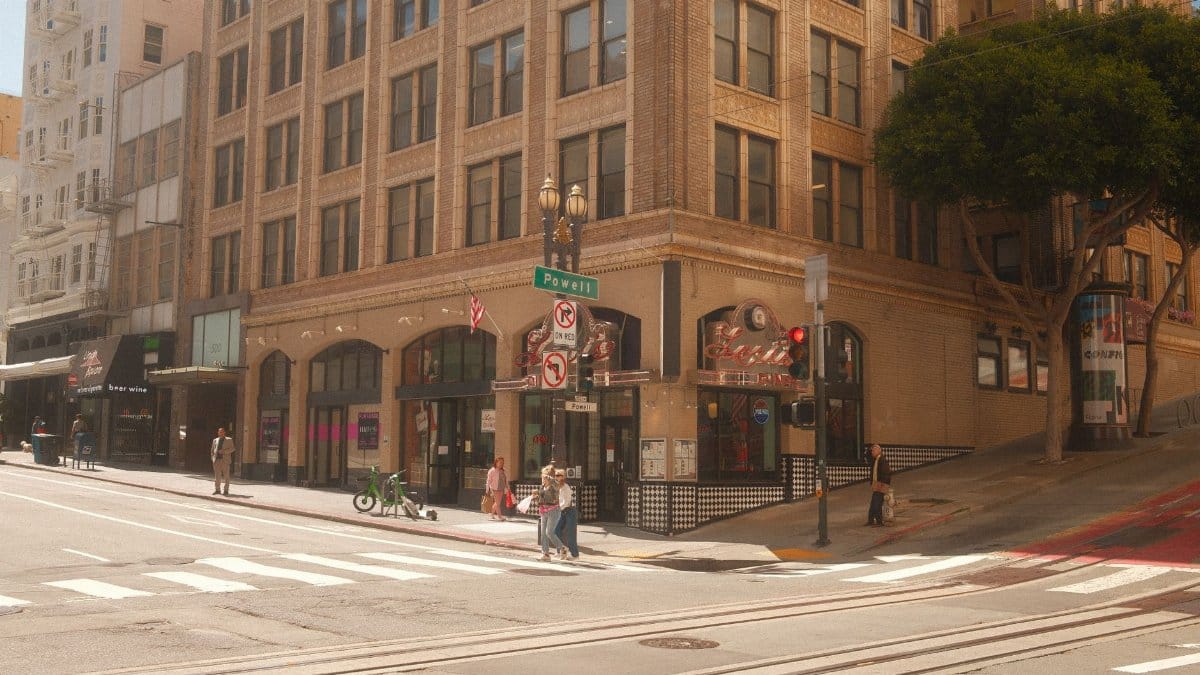
Uniqlo built its American reputation on simple clothes sold at approachable prices, with a design language that favors clean lines over logos. San Francisco was an early West Coast stage for that idea. The Powell Street store sat near the cable car turnaround, a place where tourists and office workers once crossed paths through the day. When that location closed, the loss felt larger than one lease. It joined a list of familiar names that left the retail core, from department stores to smaller shops that could not carry thin crowds and high costs.
The address at 801 Market Street keeps the brand a short walk from Hallidie Plaza and the Powell Street transit hub. It remains inside the orbit of Union Square, on a block that has struggled to keep storefronts active. For officials who have urged retailers to test downtown again, a known name on Market Street is easier to explain than a concept that exists only on a rendering.
What the Powell Street exit left behind
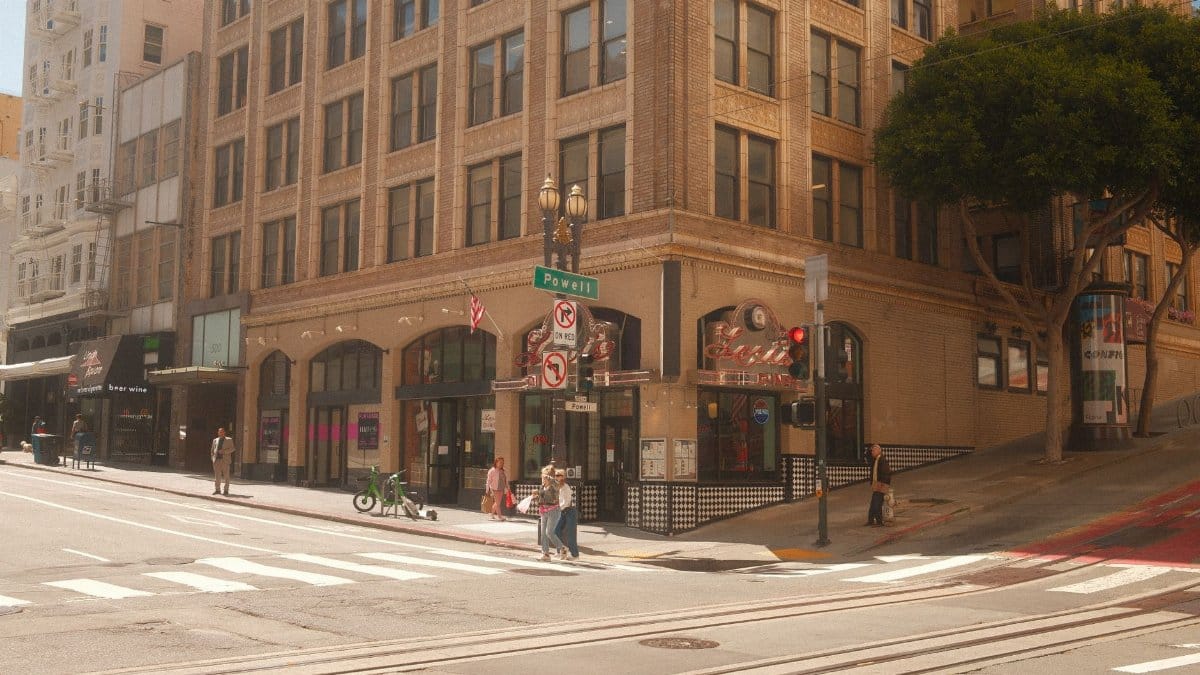
The flagship closing did not erase the brand from the region. Shoppers could still order online or travel to other Bay Area stores. What vanished was the public face of the company in the city’s most photographed retail district. A dark entrance near a transit landmark sends a message that spreads farther than the block itself. Visitors photograph absence as readily as they photograph a cable car.
Residents who relied on the store for coats, socks, and plain shirts felt the gap in a more practical way. Uniqlo occupies a middle ground between luxury windows and discount racks. That middle ground has been thinning downtown, where surviving shops often sell either souvenirs or very expensive goods. Losing a reliable source of basic clothing made the district feel less like a place where people actually live.
Why October 9 matters for downtown
Dates matter in a recovery that has moved in inches. October 9 gives landlords, transit riders, and nearby cafes a fixed point rather than a vague promise of someday. A scheduled opening can pull painters, fixture crews, and window dressers onto the sidewalk in the weeks before. Those small crews are not a renaissance, but they are visible work, and visibility has been scarce.
The timing also lands in a season when San Francisco sells itself on weather and walkability. Mild days bring office workers out for lunch and draw visitors who still want a classic downtown circuit. A retailer that depends on volume needs those bodies in motion. If the first weeks are quiet, the lesson will be about the street as much as about the brand.
The address and the bet on 801 Market Street
Choosing 801 Market Street is a bet on a corridor that has been asked to do too many jobs at once. It is a commute spine, a tourist path, a civic stage, and a retail strip that lost anchors faster than it could replace them. A clothing store cannot fix transit, public safety, or empty offices. It can, however, put light in a window and give people a reason to stop between the train and the next appointment.
Market Street has always been a test of whether commerce and public life can share a sidewalk. The new store will be judged less by its architecture than by whether the block feels tended. Clean glass, staff at the door, and a steady flow of customers can change the mood of a few hundred feet of pavement. That is a narrow victory, and downtown will take it.
How the brand fits a thinner retail map
Uniqlo sells what it calls life wear, clothes meant to be repeated rather than displayed once. That pitch suits a city where many wardrobes have shrunk to layers for fog, offices that may be half empty, and weekends that start with a walk rather than a formal plan. The racks of merino, denim, and packable jackets match a practical streak in local taste, even among people who also own one expensive coat.
The company is not a hometown story, and it should not be asked to perform as one. It is a global retailer with a precise system for inventory, design, and price. That system is exactly why its return carries weight. Chains leave when the math fails. When one comes back, it is saying the math might work again, at least on this corner, at least for now.
Shoppers and the search for ordinary pleasure
There is a quiet civic hope inside the Uniqlo San Francisco opening that has little to do with fashion week. People miss errands that feel safe, social, and slightly unnecessary. Trying on a sweater, checking a hem, leaving with a bag that is not a grocery run: these are small rituals that make a downtown feel inhabited rather than managed. Spiritual language can be too grand for a sock display, yet the hunger for routine is real.
Congregations, libraries, and lunch counters have long done the work of gathering strangers without demanding that they agree. A well run shop can sit in that family of places, briefly. No one should confuse a receipt with belonging. Still, a city that offers only offices, fear, and transit is a thinner city. Ordinary pleasure is not a luxury item.
Jobs, foot traffic, and city hopes
Every new sales floor means hiring, training, and a manager who learns the block by name. Those jobs will not offset the office losses of recent years. They still matter to the people who get them, and they matter to the coffee shop that sells the morning cup before a shift. City leaders tend to talk about foot traffic as if it were a single number. Merchants experience it as Tuesdays, weather, and whether the next door neighbor is open.
The Uniqlo San Francisco opening will be watched for spillover. Does a clothing stop send people into a bookstore, a bakery, a pharmacy that has been holding on? Spillover is not guaranteed. It depends on hours, on how welcoming the entrance feels, and on whether visitors believe the rest of the street is worth the walk. One bright store can highlight the dark ones beside it.
Competition on a changed corridor
Downtown retail is no longer a contest among flagship palaces alone. Shoppers compare a Market Street visit with a trip to Stonestown, a quick order from a phone, or a drive to a suburban center with easier parking. Uniqlo has to win on fit, price, and the pleasure of seeing the goods in person. If the store feels like a warehouse with a city address, people will not make a second trip.
Nearby competitors include whatever remains of department store energy, specialty shops that survived by knowing their customers, and the endless aisle of the internet. The advantage on Market Street is immediacy. A traveler who needs a layer before the evening wind does not want a delivery window. A resident who wants to feel a fabric will still come downtown if the trip does not feel like a gamble.
What opening day may feel like
Opening day will likely mix fans of the brand with people who simply want to see the lights on. There may be a line, a limited color that sells through by noon, and a few visitors who treat the entrance as a photo stop. None of that predicts the third month. Retail veterans in this city have learned to distrust launch weekends. The honest measure is a rainy Wednesday in January, when only people with a purpose are out.
Staff will set the tone more than any banner. A greeting that assumes goodwill, a fitting room that works, a return desk that does not feel like a trial: these details decide whether downtown earns a habit. San Francisco shoppers are not short on opinions. They are short on places that repay the effort of showing up.
A cautious bet on the city center
It would be a mistake to treat one apparel opening as proof that the old downtown has returned. The office market is still soft. Some corners remain neglected. Public debate about safety and sanitation continues, and shoppers vote with their routes. A single lease cannot close those arguments. What it can do is complicate the story that nothing commercial wants to be here.
Caution is the right mood. Celebrate the jobs and the lit windows without pretending the street is healed. Ask the company, the landlord, and the city to keep the block worthy of the crowd they hope to attract. Recovery, if it comes, will look like repetition: open doors, paid staff, and customers who come back because the visit was uneventful in the best sense.
What residents should watch next

The weeks after October 9 will tell more than the announcement. Watch whether the windows stay dressed, whether hiring notices remain local, and whether the store keeps faith with the practical promise that made the brand useful in the first place. Watch the neighbors. A revival that stops at one logo is a display, not a district.
Residents can also watch their own habits. A city cannot scold people into shopping, and it should not. It can make the trip reasonable. If the Uniqlo San Francisco opening becomes a regular stop rather than a curiosity, that will be a small vote for Market Street as a place of daily life. The larger vote is still uncounted, block by block, season by season.
The meaning of a familiar bag on Market Street
A shopping bag is an ordinary object, easy to romanticize and easy to dismiss. On this street, after years of exits, it carries a plain message: someone found a reason to linger. The Uniqlo San Francisco opening will not settle the future of downtown. It will test whether a global company and a wounded corridor can still be useful to each other.
That test is worth taking seriously, without hymns and without scorn. Cities are held together by transit, housing, schools, and paychecks, and also by the small commerce that makes a sidewalk feel shared. On October 9, at 801 Market Street, San Francisco gets another chance to see whether that sharing is still possible. The answer will not arrive in a speech. It will arrive, if it arrives, in the quiet fact of people coming back.