

Beneath the forest floor in regions across the United States lies a bustling metropolis of activity invisible to the naked eye. Here trees and plants connect through intricate systems that facilitate the sharing of resources in ways that challenge our traditional views of nature as competitive. A groundbreaking study has brought new attention to how these systems influence everything from tree health to atmospheric carbon levels. Indeed underground fungal networks serve as vital conduits in this process transferring billions of tons of carbon dioxide annually and playing a key part in regulating the planets climate.
The Science of Mycorrhizal Partnerships
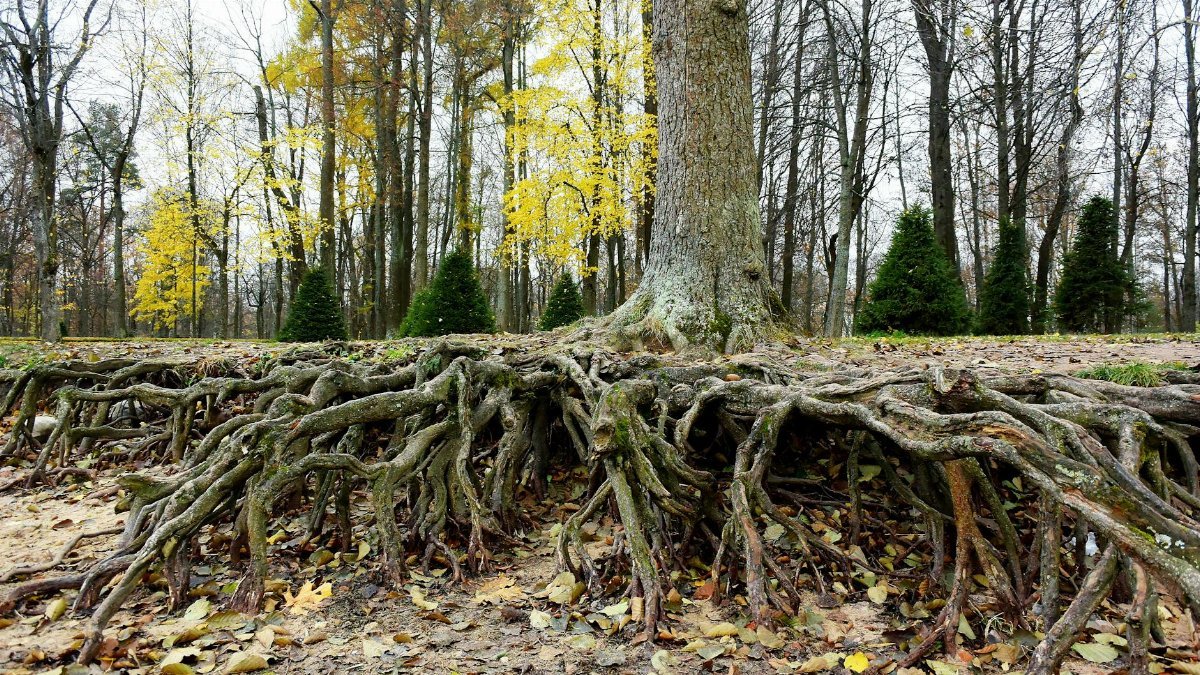
At the heart of this phenomenon are mycorrhizal fungi which form symbiotic relationships with the roots of nearly all terrestrial plants. These fungi extend threadlike structures called hyphae into the soil creating pathways that vastly increase the surface area available for nutrient absorption. In return for minerals and water the plants supply the fungi with sugars produced through photosynthesis. This mutual exchange has evolved over hundreds of millions of years yet only recent advances in genetic sequencing and imaging technology have allowed scientists to map its full complexity.
Researchers now understand that these partnerships extend far beyond simple two way trades. A single fungus can connect with dozens of trees simultaneously forming what some have described as a living internet of the forest floor. This allows for the distribution of resources from healthy mature trees to younger saplings or to trees struggling in shaded areas. The discovery has reshaped fundamental concepts in ecology moving away from purely competitive models toward ones that emphasize cooperation and community dynamics.
Quantifying Carbon Transfer Across Ecosystems

One of the most significant findings involves the sheer scale of carbon movement. The recent research indicates that underground fungal networks in United States forests transport approximately 15 billion tons of carbon dioxide equivalent each year. Much of this carbon becomes stored in stable soil compounds rather than returning to the atmosphere. This process effectively removes substantial quantities of greenhouse gases that would otherwise contribute to global warming.
By linking multiple plant species these networks create a more resilient carbon sink. When one tree experiences stress it can draw upon resources from connected neighbors while also offloading excess carbon compounds. This sharing mechanism appears to stabilize forest ecosystems during periods of drought or pest outbreaks. The study provides some of the most precise measurements to date suggesting that fungal pathways account for up to 40 percent of total carbon sequestration in certain temperate forests.
Regional Variations in United States Forests

The importance of these networks varies considerably across different American landscapes. In the Pacific Northwest ancient coniferous forests host some of the most extensive fungal systems with individual networks spanning hundreds of acres. The rich volcanic soils combined with abundant rainfall create ideal conditions for fungal growth and diversity. By contrast the deciduous forests of the Northeast show more seasonal patterns with carbon transfer peaking during spring growth periods.
Southern pine plantations present a more complicated picture. Intensive management practices including clear cutting and heavy fertilization have diminished fungal diversity in many commercial forests. This reduction appears to limit both carbon storage capacity and overall ecosystem resilience. The contrast between protected old growth areas and intensively managed timberlands offers a natural experiment for understanding how different approaches affect these critical underground systems.
How Human Activities Affect These Systems

Modern land use practices increasingly threaten the integrity of these fungal connections. Soil compaction from logging equipment severs delicate hyphae while certain agricultural chemicals have been shown to reduce fungal populations dramatically. Even seemingly benign activities such as excessive nitrogen deposition from air pollution can disrupt the delicate balance of give and take between plants and fungi.
Urban development further fragments these networks creating isolated patches where once continuous systems existed. The long term consequences of such fragmentation remain under study but early evidence suggests reduced forest vigor and slower recovery after disturbances. Conservationists increasingly argue that protecting underground fungal networks should become a central consideration in land management decisions from suburban planning to national forest policy.
Insights From Leading Researchers

Scientists working in this field describe a sense of awe at the sophistication they continue to uncover. The study highlighted in a recent New York Times report builds upon decades of field work by mycologists who have painstakingly traced nutrient flows using isotopic tracers and microscopic analysis. Their findings challenge conventional wisdom about how forests function and suggest that our management approaches have overlooked a fundamental component of ecosystem health.
Many researchers emphasize that these networks demonstrate a form of distributed intelligence. When a tree is attacked by insects it can signal neighbors through fungal pathways prompting them to increase production of defensive compounds. This communication happens faster and more efficiently than would be possible through root contact or airborne chemicals alone. The implications extend beyond forests to our broader understanding of biological systems and collective behavior in nature.
The Spiritual Significance of Interconnected Life

Beyond the scientific measurements many observers find in these discoveries a profound reminder of the interconnected nature of all living things. The notion that forests operate as unified communities rather than collections of individual organisms resonates with spiritual traditions that have long emphasized oneness and mutual dependence. Indigenous knowledge systems across North America have recognized similar principles for generations describing forests as living beings with intricate relationships invisible to the casual observer.
This convergence of cutting edge science and ancient wisdom offers an opportunity for deeper reflection on humanitys place within the natural world. As society grapples with climate disruption the revelation of these vast underground fungal networks invites consideration of more humble and harmonious approaches to environmental stewardship. It suggests that true sustainability may require not just technological solutions but also shifts in perspective toward greater respect for the hidden connections that sustain life.
Strategies for Protecting Vital Fungal Habitats
Preserving these networks requires changes in forestry and land management practices. Selective logging methods that minimize soil disturbance show promise in maintaining fungal continuity. Leaving sufficient legacy trees to serve as anchors for existing networks can dramatically improve regeneration success in harvested areas. Similarly reducing tillage and chemical inputs in adjacent agricultural lands would benefit the broader landscape.
Some conservation organizations have begun mapping high value fungal corridors to guide protection efforts. These maps incorporate both scientific data and traditional ecological knowledge to identify areas where underground fungal networks demonstrate particular density or uniqueness. Such targeted approaches could prove more effective than broad brush policies while still delivering significant carbon storage benefits.
Future Research Directions and Unanswered Questions

Despite substantial progress many questions remain about how these systems will respond to accelerating climate change. Will rising temperatures alter the composition of fungal communities in ways that reduce their carbon storage capacity? How will shifting precipitation patterns affect the delicate water carbon exchanges that underpin these relationships? Scientists are deploying new sensor technologies and conducting large scale experiments to address such concerns.
Emerging research also explores the potential for actively restoring damaged networks in degraded landscapes. Early trials involving fungal inoculants and careful plant selection have shown encouraging results though scaling these interventions presents significant challenges. The coming decade promises richer understanding of these underground systems and their role in planetary health.
What This Discovery Means for Climate Action

The recognition of underground fungal networks as major players in carbon regulation carries important implications for climate policy. Current carbon accounting models used in international agreements have largely overlooked this component of sequestration. Updating these frameworks to better reflect fungal contributions could substantially alter calculations of natural climate solutions and their economic value.
For policymakers this research strengthens the case for conserving mature forests and investing in reforestation projects that prioritize ecosystem complexity over simple tree counts. It suggests that protecting biodiversity underground may prove as important as protecting it above ground. As the United States develops new climate strategies the preservation and restoration of these fungal networks deserves prominent consideration in both public and private sector initiatives.
The story of these remarkable fungal partnerships ultimately expands our appreciation for the sophistication of natural systems. What lies beneath our feet in American forests represents far more than mere biology. It embodies a living architecture that has quietly regulated atmospheric chemistry for eons. Understanding and honoring this architecture may prove essential to addressing the environmental challenges of our time.