

Delegates arrived in Antalya under a hard blue sky that felt less like a postcard than a warning. Hotels along the coast were full, security lines moved slowly, and opening speeches carried the weight of a year marked by lethal heat, sudden floods, and crop losses that no communique can tidy away. The gathering known in diplomatic shorthand as COP31 Turkey climate opened with a blunt demand from smaller nations: stop describing danger and start cutting it. Tension around the Strait of Hormuz had already slowed some energy cargoes, and ministers used the first hours to promise faster methane cuts and a wider expansion of renewable power. Outside, the sea looked calm. Inside, almost no one trusted the calm.
A year that rewrote the agenda
Extreme weather did not wait for a negotiating text. In the months before delegates gathered, heat strained hospitals and power grids, floods tore through districts that had already rebuilt once, and fires crossed from dry forest into streets. Harvests failed in places where a bad season used to be an exception. Insurers raised prices or left markets entirely. Public officials who once spoke comfortably about goals for the middle of the century found themselves answering for summers that are already here. The scientific case for cutting pollution has been public for decades. What changed the room was the accumulation of lived damage, the sense that delay now has a local address. Diplomats still argue over verbs. Residents argue over whether the next storm will spare the school.
What the Turkish setting makes visible
Turkey is not a neutral backdrop. It is a large economy, a regional power, a tourist coast, and a country still building parts of its future on coal and gas while also chasing solar and wind. Hosting puts that contradiction on display. Ankara wants investment, stature, and proof that growth and cleaner power can move together. Activists want timelines, grid plans, and retirements that survive a news cycle. Water stress, hotter summers, and crowded cities give the host a domestic reason to care that is not borrowed from a distant report. For visitors, the setting also shortens the distance between a plenary hall and the landscapes already under strain. That practical test sits at the center of COP31 Turkey climate: can a host turn geography into policy rather than scenery.
Shipping shocks and the energy argument

Disruptions near the Strait of Hormuz arrived as an unwelcome tutor. When cargoes slow, prices jump, and governments rediscover how fragile a fossil system can be even before the climate ledger is opened. Some officials framed the shock as a reason to drill more and stockpile harder. Others argued the opposite: a cleaner power system is also a less exposed one, because sunlight and wind do not pass through a narrow maritime gate. Neither claim settles the politics. Countries still need reliable electricity this winter, and workers in fossil industries still need a future that is not a slogan. The useful argument in Antalya is narrower. Energy security and climate policy are no longer separate briefings. They are the same vulnerability described by different ministries.
Methane as the fastest political test

If the summit produces one measurable push, many negotiators expect it to concern methane. The gas traps heat fiercely in the years just ahead, and it leaks from oil and gas equipment, landfills, coal sites, and parts of agriculture. Cutting those leaks does not replace the longer work of ending carbon dioxide pollution. It does offer a result that can show up before the next election and the next fire season. Detection from satellites has made excuses harder. Companies can no longer treat invisible waste as a rounding error when the plume is public. A credible package would pair rules with money for monitoring and repair, especially where smaller operators lack capital. Delegates at COP31 Turkey climate keep returning to that bargain because it is specific enough to verify and fast enough to matter.
Renewable power meets the hard part
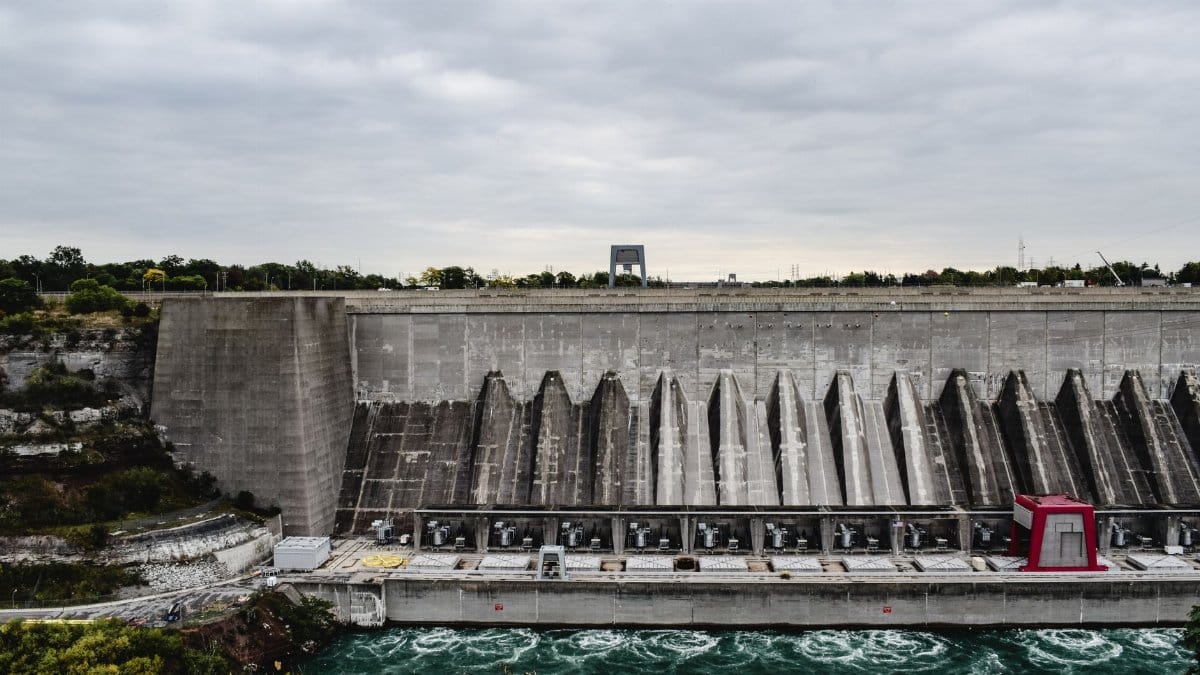
Speeches in favor of renewable energy are no longer the hard part. Auctions, factories, and falling costs have already moved solar and wind from the margins into the center of many national plans. The difficult work is everything around the turbine and the panel: transmission lines that cross reluctant towns, permits that take years, storage that keeps lights on after sunset, and workforces trained for jobs that did not exist in the last energy era. Turkey and its neighbors have sun, wind, and growing demand. They also have grids built for an older mix. A summit cannot pour concrete. It can align finance, standards, and political cover so that announced capacity becomes electricity people actually use. Without that translation, expansion remains a number in a brochure.
Money, loss, and a thinning reserve of trust

Trust is the scarce resource in these talks, scarcer than slogans about unity. Countries that did little to cause the problem and are already paying for it want funds that arrive, not funds that are announced and then reclassified. Wealthier governments want assurances that money will be spent cleanly and that new pledges will not become open ended liabilities. Both worries can be true. Neither justifies another year of creative accounting. Loss and damage, adaptation, and the shift away from coal all require cash with a schedule. Communities rebuilding a clinic do not experience a pledge as shelter. Observers of COP31 Turkey climate say the credibility test is boring on purpose: disbursement dates, grant shares rather than loans that deepen debt, and a public record of what was promised last time.
The narrow list of decisions that matter

A fortnight can drown in process. Contact groups multiply. Brackets remain in texts long after the coffee goes cold. Veterans of these summits advise watching a short list rather than the full theater. Will methane rules include reporting that an outsider can check. Will renewable targets come with grid and storage language, or only with capacity headlines. Will finance texts name dates. Will fossil fuel language survive contact with producers who still see exports as national strategy. Will adaptation get more than a sympathetic paragraph. None of these questions requires a miracle. Each requires a government to spend political capital at home. The closing gavel matters less than whether a minister can explain the result to a farmer, a mayor, and a finance chief in the same afternoon.
Stewardship when the cameras leave
There is a moral register to this meeting that is easy to mock and hard to escape. Climate diplomacy is technical, but it is also a question of what people owe one another across borders and across years they will not personally govern. Faith leaders and secular activists in Antalya have used different vocabularies for the same unease: stewardship, responsibility, the refusal to treat the living world as a warehouse. That language does not write a treaty. It does explain why delay feels like more than a tactic. A parent in a floodplain and a minister in a motorcade are not equally exposed, and pretending otherwise insults both. The spiritual claim, stripped of ornament, is modest. Power should be answerable to the people who absorb its consequences.
Signals worth watching before the gavel

Readers far from the conference center can ignore most of the procedural fog. Watch whether major emitters arrive with new actions or only with adjectives. Watch whether Turkey uses the host spotlight to accelerate its own shift, because a host that asks others to hurry while standing still will be remembered for the contrast. Watch shipping and fuel markets, since Hormuz disruptions will keep pulling climate debates back toward price and reliability. Watch methane announcements for enforcement, not applause. And watch whether finance moves from the podium to the account. COP31 Turkey climate will be judged less by the temperature of the opening speeches than by the paper that survives the last night. The weather, indifferent to protocol, will offer its own review soon enough.