

Twin Falls silent shopping is causing a major shift in local markets this year. On July 6, 2025, vendors at a Twin Falls, Idaho, farmers market turned off PA systems and banned live hawking from 8 to 9 a.m., creating a “silent shopping hour.” The initiative aims to provide sensory relief for attendees, especially neurodivergent shoppers. Early feedback and steady revenue suggest this could be a model for other markets. Researchers from Boise State University are now stepping in to study its long-term impact.
A Quiet Start to the Day

In Twin Falls, the first hour of market day is now a haven of calm. As of July 6, 2025, vendors have agreed to switch off public address systems and refrain from live hawking between 8 and 9 a.m. This change strips away the usual clamor of announcements and shouted promotions, replacing it with a muted atmosphere where shoppers can browse without sensory overload. The move is a deliberate effort to make the market more accessible, particularly for those who find typical market noise overwhelming.
Why Silence Matters

The decision to implement a silent shopping hour stems from a growing recognition of sensory challenges faced by some attendees. Loud environments can be particularly distressing for neurodivergent individuals, including those with autism or sensory processing disorders. By dialing down the noise, Twin Falls market organizers are addressing a real need. This aligns with broader U.S. trends in 2025, where public spaces are increasingly adapting to accommodate diverse needs, from quiet zones in malls to sensory-friendly events at museums.
Shopper Feedback Speaks Volumes

Attendee surveys conducted after the initial silent hour reveal promising results. A significant 40% of neurodivergent patrons reported feeling “much more comfortable” during the 8 to 9 a.m. window. This feedback highlights the potential of Twin Falls silent shopping to create a more inclusive environment. While the surveys didn’t specify the total number of respondents, the percentage suggests a meaningful impact on a key demographic, signaling that sensory-friendly initiatives could resonate widely if expanded.
Revenue Holds Steady
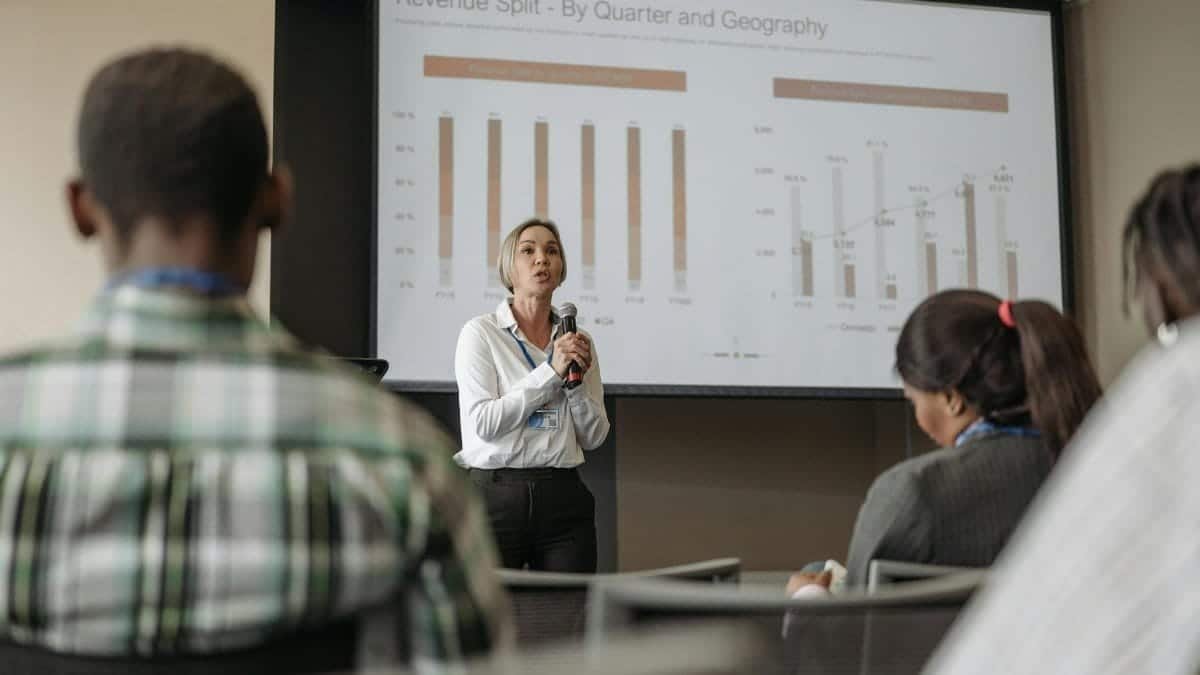
One concern for vendors was whether the absence of lively hawking and announcements would dampen sales. However, early data from the Twin Falls market shows that stall revenue remained steady during the silent hour. This stability indicates that shoppers are still engaging with vendors, even without the usual auditory prompts. It also suggests that a quieter atmosphere doesn’t necessarily equate to reduced business, a finding that could encourage other markets to experiment with similar measures.
Research on the Horizon
Boise State University researchers are taking notice of the Twin Falls experiment. They plan to track shopper retention over time, examining whether the silent hour encourages repeat visits, particularly among those who previously found the market environment challenging. This study could provide valuable data on how sensory-friendly policies affect customer loyalty and overall attendance. While specific details on the research timeline or methodology aren’t yet available, the involvement of an academic institution adds a layer of credibility to the initiative.
Broader Implications for Markets

The Twin Falls silent shopping hour could serve as a blueprint for other farmers markets and public spaces across Idaho and beyond. If Boise State’s research confirms positive outcomes, such as increased retention among neurodivergent shoppers, more venues might adopt similar policies. This fits into a national push for accessibility, as seen in resources from organizations like the Autism Speaks, which advocates for sensory-friendly environments. Additionally, guidance from the Centers for Disease Control and Prevention on autism highlights the importance of accommodating sensory needs in community settings.
Challenges and Next Steps

While the initial rollout of the silent hour has been smooth, challenges remain. Vendors may need support to adapt their sales strategies without vocal promotions. Organizers will also need to balance the needs of neurodivergent shoppers with those who enjoy the traditional, lively market vibe. Future adjustments might include signage to alert attendees of the quiet hour or designated zones for noise-free shopping. For now, Twin Falls is setting a precedent that could reshape how markets operate in 2025 and beyond.