

For years experts have pondered how wild animals navigate the waters around San Francisco. The recent appearance of a coyote on the rocky shores of Alcatraz Island captured the imagination of locals and tourists alike. Many speculated that the Alcatraz coyote had bravely swum the dangerous stretch from the mainland. Yet DNA testing has upended that notion revealing instead that the animal originated from Angel Island State Park just two miles away across the bay. This finding not only solves a local mystery but also opens broader conversations about wildlife behavior resilience and even the spiritual connections humans feel with creatures that seem to embody freedom and cunning.
The Genetic Evidence That Changed Everything

Wildlife biologists collected hair and fecal samples from the coyote during careful visits to the island. Laboratory analysis compared these with genetic databases from coyote groups across the greater bay area. The matches pointed clearly to a population on Angel Island rather than any group from the San Francisco mainland. This rigorous testing eliminated speculation and replaced it with verifiable data.
Officials from the National Park Service worked with geneticists to ensure accuracy. The results showed shared markers consistent with Angel Island coyotes including specific regional traits not found on the city side. Such methods have become standard in tracking elusive animals yet they still carry the power to rewrite familiar stories. The full report detailing these methods and conclusions can be found at SFGate.
Why The San Francisco Swim Theory Persisted

The notion of a daring swim from San Francisco held strong appeal. The island sits in plain view from the city waterfront and tales of remarkable animal journeys fill local lore. Alcatraz itself carries a mythic weight as a former maximum security prison making any crossing feel like an escape. Observers pictured the coyote fighting tides and cold under moonlight an image both dramatic and believable.
Distance estimates and visible landmarks reinforced the assumption. Few considered the closer starting point on Angel Island until the genetic data arrived. This episode illustrates how human imagination can shape interpretations of nature until clearer facts emerge. It also shows our tendency to project qualities of endurance and bravery onto wildlife that may simply be following practical routes.
Life On Angel Island State Park

Angel Island offers a rich mosaic of habitats including dense groves of eucalyptus open grasslands and sheltered coves. Coyotes have maintained a steady presence there thriving on small mammals birds and occasional human food sources. Rangers report healthy family groups that occasionally send out young adults to seek new territory a natural cycle that likely propelled this individual toward Alcatraz.
The crossing from Angel Island though not trivial remains far more feasible than battling the stronger currents from San Francisco. Low tide windows and floating debris may have assisted the journey. Park staff note that coyotes demonstrate remarkable flexibility in their movements adapting to whatever the landscape presents. This adaptability forms the core of their survival success across North America.
The Coyote As Trickster In Native Traditions

Among California Native peoples the coyote appears as a central figure in oral histories. Often called a trickster this being uses wit and transformation to shape landscapes teach lessons or stir necessary change. Tribes such as the Ohlone and Miwok weave coyote stories that emphasize clever navigation of obstacles and the thin line between chaos and creation.
The arrival of a coyote on Alcatraz carries layers of meaning within these traditions. A place once designed to confine human freedom now hosts a living symbol of wild autonomy. Such coincidences invite contemplation of how ancient wisdom intersects with contemporary events. They remind observers that animals have always served as messengers carrying insights about resilience and the fluid nature of boundaries.
Spiritual Trends In Wildlife Observation

Across the United States more people report turning to nature for solace and perspective. Wildlife sightings increasingly spark discussions that blend biology with personal meaning. The Alcatraz coyote story gained rapid attention on social platforms where users described feelings of inspiration or even gentle guidance from the animals presence.
This reflects a wider cultural movement toward recognizing spiritual value in everyday encounters with the wild. Middle aged adults in particular often describe these moments as grounding anchors amid busy lives. Rather than dismissing such views experts in both ecology and psychology note that meaningful connections with animals can foster greater environmental stewardship and inner calm.
Alcatraz As An Unlikely Wildlife Sanctuary

Once known only for its prison cells Alcatraz has quietly become a thriving refuge. Native plants have reclaimed gardens once tended by inmates while seabirds nest in cliffs and gardens. The ecosystem supports everything from tide pool creatures to raptors creating a surprising pocket of biodiversity in the heart of the bay.
The coyotes integration adds a new predator that helps control rodent numbers. Park managers observe these shifts with care ensuring the balance remains intact. What was a site of human suffering has transformed into a place where natural processes unfold freely. This evolution echoes themes of renewal that resonate deeply in both ecological and spiritual contexts.
Challenges For A Solitary Coyote
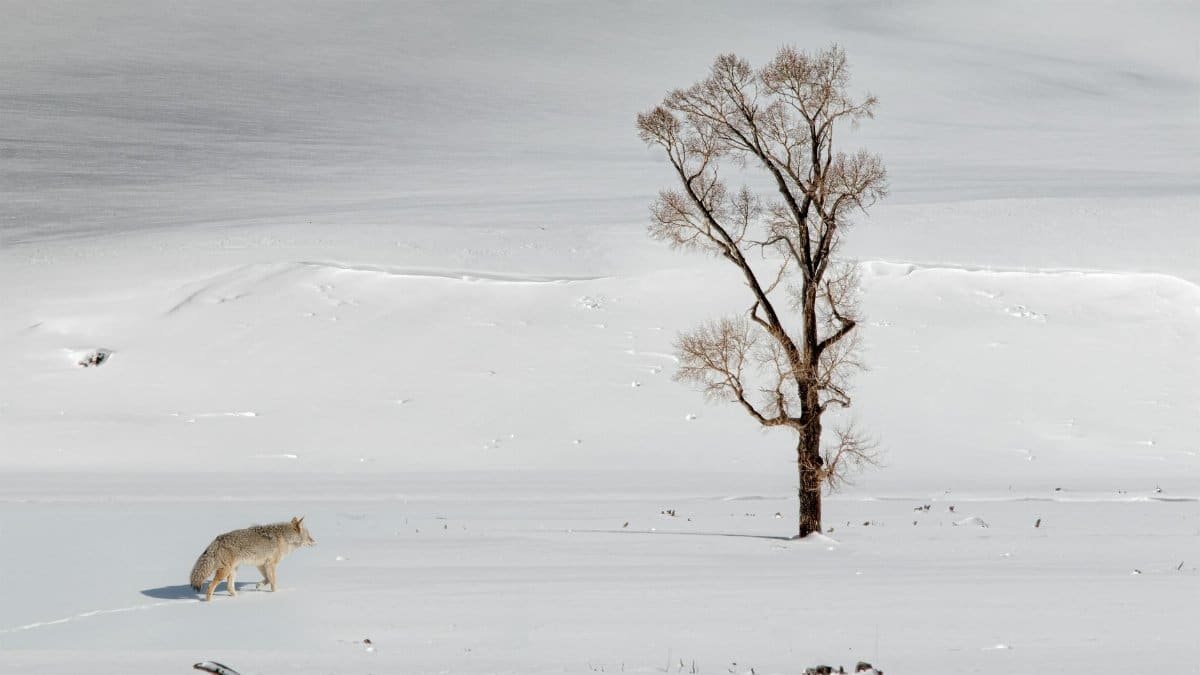
Island life demands constant resourcefulness. Fresh water sources are scarce on Alcatraz forcing the coyote to rely on moisture from food or small seeps. Prey remains plentiful yet the animal must avoid human visitors and maintain energy across a limited territory.
Despite these constraints the coyote appears healthy and active according to regular monitoring. Its presence raises questions about whether additional coyotes might attempt similar crossings in the future. Such dynamics highlight the ongoing tension between wild instincts and the pressures of a heavily populated region.
Insights From Bay Area Biologists

Local experts express genuine enthusiasm for what this case reveals about coyote behavior. Genetic tracking offers a window into movement patterns that previously relied on guesswork. One biologist explained that understanding these connections between islands helps map potential wildlife corridors throughout the bay.
Data from this event will inform future conservation planning particularly as sea levels shift and habitats change. The findings underscore that coyotes possess greater navigational abilities than many assumed. Their success encourages renewed respect for the intelligence woven through the natural world.
Broader Lessons On Resilience And Adaptation

Beyond the specific facts the coyotes journey speaks to universal capacities for adaptation. It crossed water barriers and found sustenance in an unfamiliar landscape relying on instinct and flexibility. In doing so it models qualities many seek to cultivate in their own lives when facing uncertainty or limitation.
Within spiritual frameworks this story aligns with teachings about trusting inner direction even when the path appears improbable. The coyote did not select the most direct route yet reached a place of relative freedom. Such accounts enrich public dialogue by bridging scientific observation with reflective thought on existence and purpose.
Future Directions For Research And Protection

Scientists intend to maintain noninvasive monitoring of the coyote while expanding genetic studies across other bay islands. Continued collaboration between park services universities and community groups will deepen knowledge of how animals navigate urbanized ecosystems. Improved tracking technologies promise even more precise information in coming years.
Conservation advocates emphasize the need to safeguard connectivity between habitats so that wildlife can move safely. Public fascination with the Alcatraz coyote creates an opportunity to build broader support for these efforts. By paying attention to these remarkable animals we invest in the health of the entire bay region and the spiritual nourishment it provides.