

As we peer into 2026, travel trends uncertainty is reshaping how we plan our escapes. According to The New York Times ‘ breakdown of emerging patterns, vacationers are ditching rigid itineraries for adaptable ones amid unpredictable global shifts. Microvacations—those quick, rejuvenating getaways—are surging in popularity, particularly in Florence, where rental demand has spiked 40%. Biometric face scans are streamlining airport security, making travel smoother. Overall, savvy travelers are pivoting to flexible strategies, turning potential chaos into opportunity for spontaneous adventure.
Microvacations Take Center Stage

Gone are the days of exhaustive multi-week odysseys that drain savings and energy. Microvacations, those compact bursts of travel lasting just a few days, are climbing the ranks as the go-to choice for 2026. This shift reflects a broader appetite for bite-sized breaks that fit seamlessly into packed lives. As detailed in the Times’ forecast, these short trips allow people to recharge without upending their routines, offering a taste of wanderlust minus the marathon commitment. It’s a practical evolution, where quality trumps quantity, letting travelers savor destinations deeply in condensed time.
Florence Fuels the Microvacation Boom

Italy’s Renaissance jewel, Florence, stands out as ground zero for this trend. Rental demand there has jumped 40%, signaling a rush toward its cobblestone streets, world-class art, and intimate vibes. Picture slipping away for a long weekend to wander the Uffizi or sip espresso in the Duomo’s shadow— that’s the allure drawing crowds. The Times highlights how this surge underscores microvacations’ appeal in culturally rich spots like Florence, where even brief stays deliver profound experiences. Local hosts are adapting too, prioritizing cozy apartments perfect for quick immersions.
Face Scans: Speeding Through Security

No more fumbling with passports or ID cards at checkpoints. Face scans are poised to transform airport security in 2026, slashing wait times and easing the pre-flight hassle. By matching facial features against records in seconds, this tech promises frictionless movement through terminals. As the Times reports, it’s a game-changer for efficiency, especially for those microvacationers squeezing trips into tight schedules. Travelers can now focus less on lines and more on lounging by the gate, marking a quiet revolution in how we navigate the skies.
Travel Trends Uncertainty Drives Flexible Planning

At the heart of these shifts lies travel trends uncertainty—a cocktail of economic flux, geopolitical ripples, and climate variables that no one can predict with certainty. This unpredictability is nudging vacationers toward nimble strategies, like last-minute bookings or modular itineraries that can expand or contract on a dime. The Times notes how such flexibility has become essential, allowing plans to bend rather than break when disruptions arise. It’s empowering, really: instead of canceling dreams, travelers tweak them, ensuring escapes happen regardless of the headlines.
Adapting to Change: Travelers’ New Mindset

Today’s adventurers aren’t just reacting—they’re evolving. The rise in adaptive behaviors shows a resilient spirit, where uncertainty becomes a cue for creativity. Short-haul flights to places like Florence replace far-flung epics, face scans minimize delays, and flexible reservations act as safety nets. Per the Times’ insights, this adaptation is widespread, with people prioritizing options that accommodate surprises. It’s a mindset shift from control to flow, turning potential setbacks into serendipitous detours that enrich the journey.
The 40% Rental Spike in Florence Explained
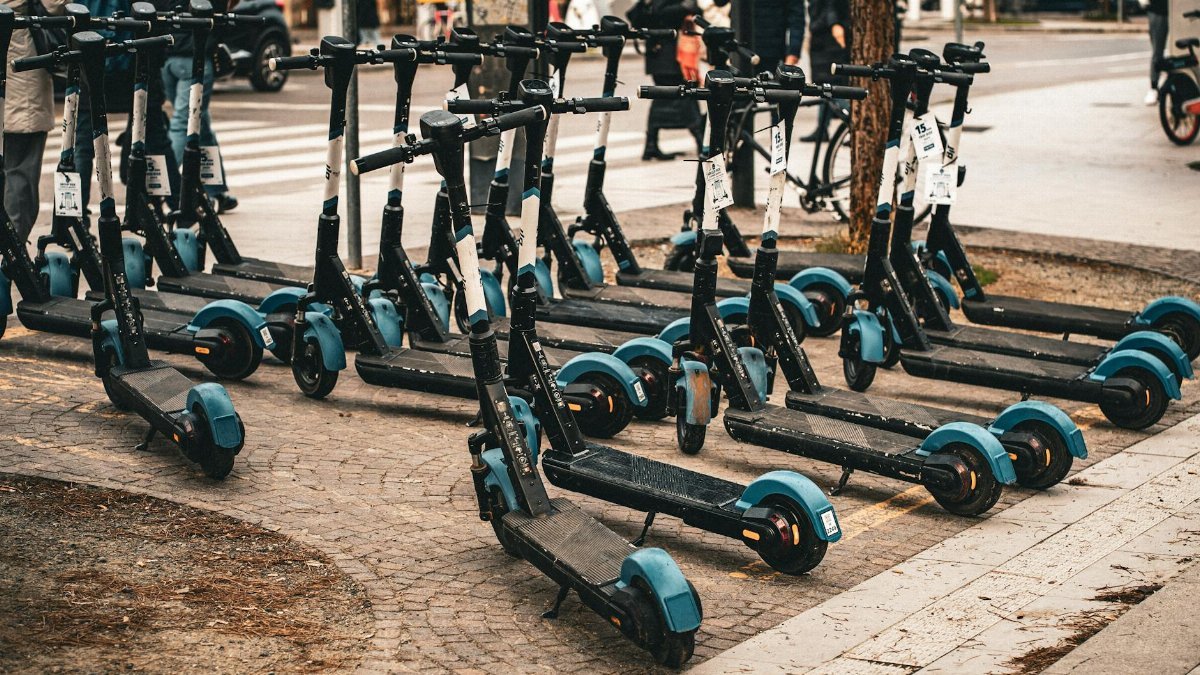
That 40% uptick in Florence rentals isn’t random—it’s a direct response to microvacations’ momentum. Demand for short-term stays has exploded as travelers seek authentic, low-pressure havens. Apartments overlooking the Arno River or tucked into historic palazzos are booking up fast, blending luxury with locality. The Times attributes this to a desire for meaningful escapes that don’t require weeks off work. For hosts, it’s a boon; for visitors, it means accessible entry to Italy’s cultural heart without the logistics of longer trips.
Why Flexibility is the 2026 Travel Mantra

In an era defined by flux, flexible plans aren’t optional—they’re survival gear. Uncertainty prompts choices like refundable tickets, pay-later options, and apps that reroute on the fly. Microvacations amplify this, their brevity making pivots painless. As outlined by the Times, travelers are leaning into tools and mindsets that prioritize adaptability, ensuring vacations align with real life. A sudden work crunch? Swap the hotel for a voucher. Weather woes? Extend the Florence jaunt. This agility keeps the joy alive amid the unknown.
Looking Ahead: A Resilient Travel Landscape

By 2026, these trends paint a picture of travel that’s smarter, shorter, and more secure. Microvacations in hotspots like Florence, bolstered by a 40% rental boom, pair perfectly with face-scan efficiencies and flexible frameworks to combat travel trends uncertainty. Travelers adapting to changes aren’t just coping—they’re thriving, crafting escapes that fit their worlds. The Times’ preview suggests this blend of innovation and pragmatism will define vacations ahead, proving that even in flux, the call of the horizon remains irresistible.