

As travel rebounds into 2026, the focus is sharpening not on bucket-list destinations but on the feelings they evoke. A recent Forbes report highlights how emotional travel trends are reshaping itineraries, prioritizing nostalgia, rituals, and hands-on experiences over postcard-perfect views. Research from ALL Accor underscores this shift, revealing that 25% of searches are now vibe-based, as travelers seek trips that resonate on a deeper level. Ancestry journeys and bathhouses are surging in popularity, offering ways to enhance personal connections in an increasingly disconnected world. These trends signal a profound evolution: travel as therapy for the soul.
Nostalgia as the Ultimate Travel Muse

Nothing stirs the wanderlust quite like a pull toward the past. Nostalgia, a cornerstone of emotional travel trends, is drawing people back to places etched in memory—childhood hometowns, family vacation haunts, or eras that shaped their identity. According to the Forbes analysis, this yearning for yesteryear is eclipsing the chase for novelty. Travelers aren’t just visiting; they’re reliving, using trips to bridge generational gaps and reclaim lost simplicities. It’s a quiet rebellion against the relentless pace of modern life, where a faded seaside boardwalk or an old family farm holds more allure than a trendy metropolis.
Rituals That Reconnect Us to Ourselves

In a world of fleeting digital interactions, travel rituals offer grounding anchors. The Forbes report spotlights how these purposeful practices—think sunrise meditations in ancient temples or communal feasts tied to local traditions—are becoming essential. They transform vacations into voyages of self-discovery, allowing participants to pause, reflect, and realign. Far from superficial add-ons, these rituals foster emotional depth, turning solitary trips into profound personal ceremonies. As one facet of emotional travel trends, they remind us that the most meaningful journeys often circle back to inner peace.
Hands-On Experiences: Touching the Soul

Gone are the days of passive sightseeing; hands-on experiences are the new heartbeat of travel. Forbes notes their rise as travelers crave immersion—kneading dough in a Tuscan kitchen, weaving baskets with indigenous artisans, or tending gardens in remote villages. These tactile encounters build skills and stories, forging bonds that linger long after the flight home. By engaging the senses directly, they amplify emotional resonance, making every trip a canvas for authentic growth. This trend underscores a broader hunger for substance over spectacle in 2026’s travel landscape.
Vibe-Based Searches: 25% and Climbing

Booking habits are evolving with the emotions they serve. ALL Accor research, as cited in the Forbes piece, shows a striking 25% of searches driven by “vibes”—moods like serene, adventurous, or nostalgic—rather than specific spots. Platforms now cater to this with filters for atmosphere, helping users match destinations to their emotional needs. This data-driven shift empowers personalized escapes, where a cozy cabin in the woods trumps a crowded landmark if it promises tranquility. It’s a testament to how emotional travel trends are redefining discovery, one feeling at a time.
Ancestry Journeys: Roots Run Deep

For many, 2026 marks a pilgrimage to origins. Ancestry journeys, booming in popularity per Forbes, involve tracing family trees to ancestral villages or homelands. These quests unearth stories, customs, and connections long buried, blending research with real-world exploration. Participants often describe a profound sense of belonging, as faded photos come alive amid cobblestone streets or rolling hills. Blending history with heart, these trips exemplify emotional travel trends by healing generational wounds and celebrating heritage in tangible ways.
Supporting this surge, a 2023 study from Ancestry.com found that such trips boosted family cohesion, directly echoing the personal connections enhanced by these emotional pursuits.
Bathhouses: Soaking in Timeless Serenity
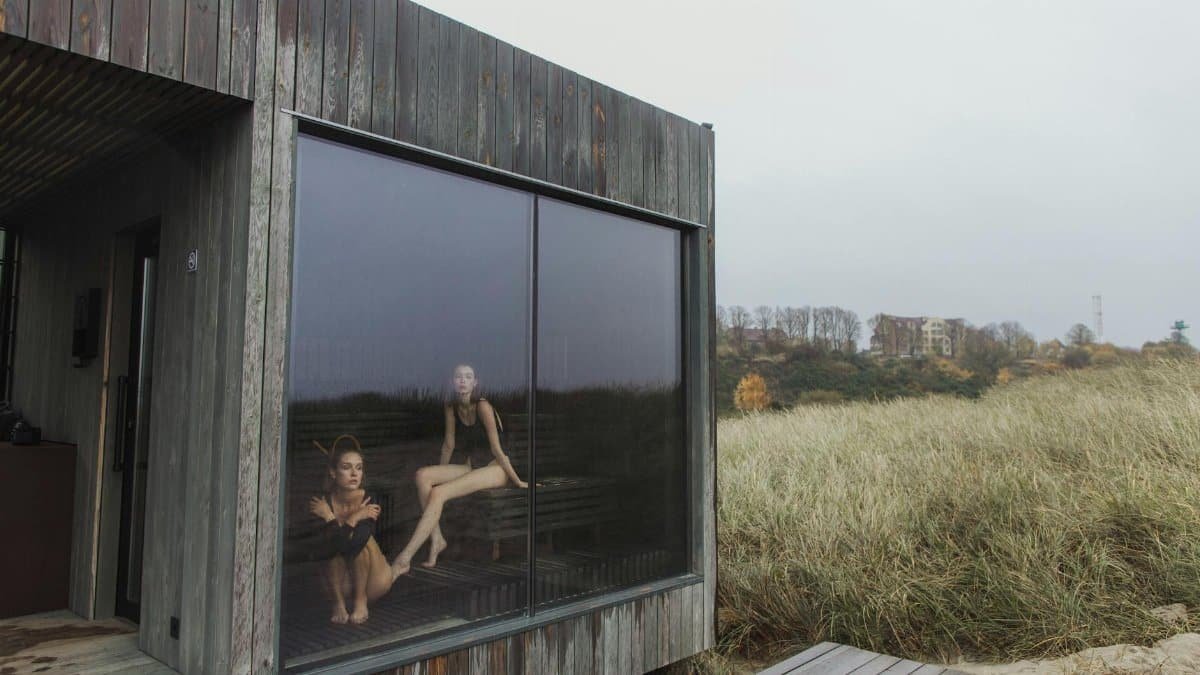
Bathhouses are staging a renaissance, offering solace in steam-filled havens. Their popularity, highlighted in the Forbes report, stems from the ritualistic calm of hot springs and saunas, where worries dissolve in mineral-rich waters. From historic Turkish hammams to modern Japanese onsen, these spaces invite surrender, promoting mindfulness and renewal. In the realm of emotional travel trends, they provide a low-key luxury: no agenda, just the gentle rhythm of breath and buoyancy. Travelers emerge not just relaxed, but emotionally replenished.
Forging Personal Connections Amid the Journey

At the core of these trends lies a quest for closeness. Whether through shared rituals, hands-on collaborations, or ancestry revelations, emotional travel enhances personal connections—with family, partners, or even strangers turned companions. Forbes emphasizes how nostalgia-fueled reunions and vibe-matched group experiences combat isolation, weaving tighter social fabrics. In bathhouses or baking classes, vulnerability breeds bonds, proving travel’s power as a relational catalyst. This human element elevates 2026 trips beyond leisure, into lifelines for the spirit.
The Future: Emotion-Driven Destinations

Looking ahead, emotional travel trends promise to dominate, with destinations adapting to nurture feelings over foot traffic. Hotels might curate nostalgia packages, airlines vibe-check routes, and tour operators prioritize rituals. The 25% vibe-search benchmark from ALL Accor could climb as awareness grows, urging the industry to innovate around the heart. Ultimately, as Forbes reports, this pivot reclaims travel’s essence: not where you go, but how it makes you feel—whole, connected, alive.