
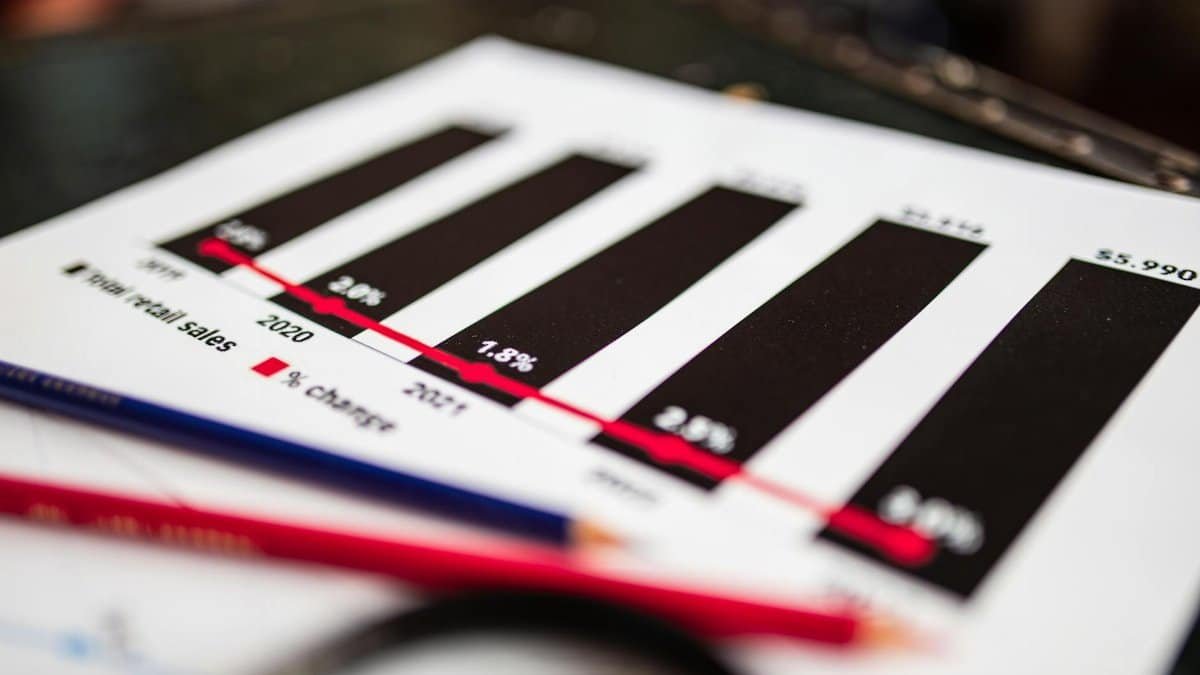
As spring travel plans take shape, the latest snapshot of travel inflation in February paints a picture of modest upward pressure on wallets. NerdWallet’s February 2026 Travel Inflation Report reveals that overall travel prices have risen compared to the same period last year, propelled primarily by increases in flight, entertainment, and dining costs. While airfares jumped 6.9% from January and 2.2% year-over-year, hotel prices offered a sliver of relief, dipping 0.9% month-over-month and 0.5% annually. Entertainment and dining expenses climbed 3.1%, adding to the pinch. The report urges travelers to stay vigilant for emerging deals, particularly in quieter seasons, amid influences like fluctuating fuel costs and steady demand. For those planning ahead, flexibility could unlock savings in a market showing balanced potential for budget-friendly adventures.
Airfares Lead the Charge in Price Increases
The most notable surge in this month’s travel landscape comes from the skies. Airfares, a cornerstone of any trip’s budget, rose sharply by 6.9% from the previous month and 2.2% compared to February last year, according to NerdWallet’s Travel Inflation Report. This uptick reflects the ongoing volatility in aviation economics, where even small shifts can cascade into higher ticket prices for consumers.
For frequent flyers or those eyeing weekend getaways, these figures underscore the need for timing. Month-over-month gains suggest seasonal demand kicking in early, while the year-over-year increase points to a broader trend of elevated costs that haven’t fully receded. Travelers booking international or domestic routes alike may feel this most acutely, as airlines pass along operational pressures without much cushion.
Hotel Prices Buck the Trend with Declines
In contrast to soaring flight costs, accommodations provided a welcome breather. Hotel prices fell 0.9% month-to-month and 0.5% annually, signaling potential opportunities for savvy bookers. This easing could stem from strategic pricing by hoteliers aiming to fill rooms amid fluctuating occupancy patterns.
These drops, though modest, are a boon for extended stays or family vacations where lodging eats up a significant slice of the budget. The report highlights how such trends create windows for deals, especially as operators adjust to softer demand in certain markets. For budget-conscious planners, this dip invites closer scrutiny of rates in popular destinations.
Entertainment and Dining Add to the Squeeze

Not all ground-level expenses are cooling off. Entertainment and dining costs, key to memorable trips, increased by 3.1%, contributing to the overall rise in travel inflation for February. Whether it’s show tickets, museum entries, or restaurant meals, these categories are feeling the strain of broader economic ripples.
This upswing means vacationers might need to rethink splurges. A night out or a special dinner, once a highlight, now carries a premium that could tip itineraries over budget. The report positions these increases as drivers alongside flights, emphasizing how they compound the yearly price growth across travel sectors.
Unpacking the Drivers: Fuel, Demand, and More
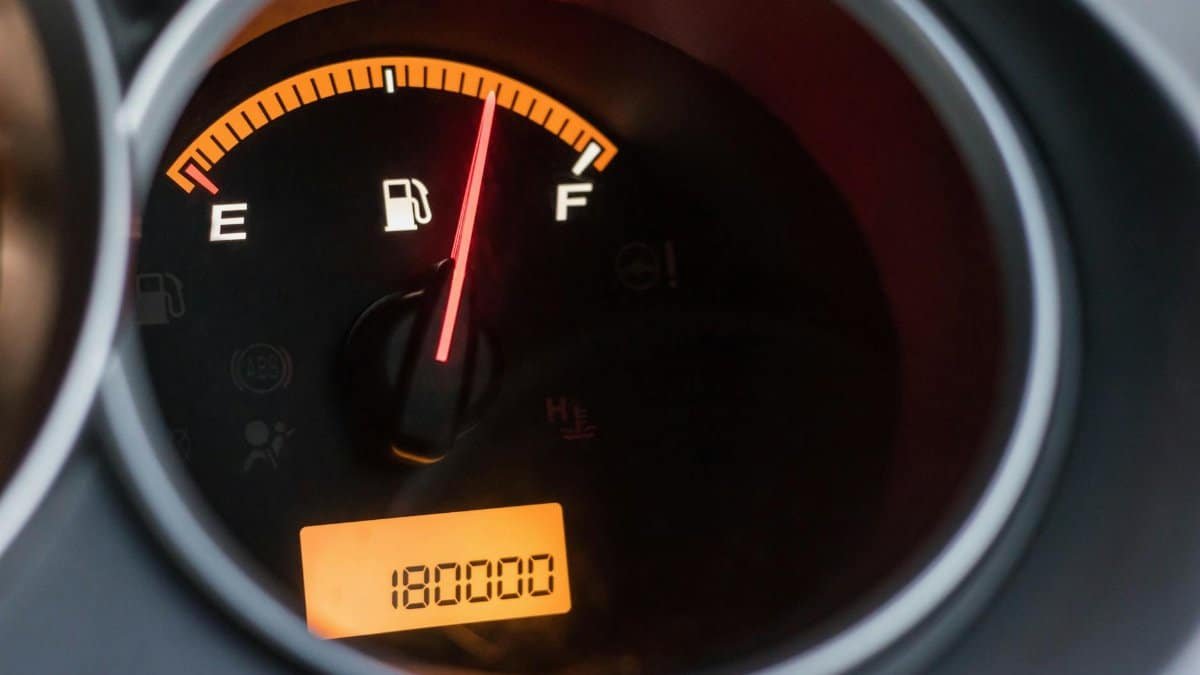
What lies behind these shifts? Factors like fuel costs and traveler demand are pivotal, as outlined in the NerdWallet analysis. Jet fuel prices, notoriously sensitive to global events, directly inflate airfares, while robust demand keeps pressure on flights and experiences even as hotels adjust downward.
These elements interplay in complex ways. Higher fuel translates to pricier tickets, sustaining month-over-month gains, whereas demand ebbs in lodging could explain the relief there. Understanding this dynamic helps demystify why travel inflation in February feels uneven—up in high-impact areas, stable or down elsewhere.
Smart Strategies for Snagging Deals

Amid the mixed signals, the report offers practical counsel: monitor trends closely for deals, particularly during off-peak seasons. Flexibility emerges as a superpower, allowing travelers to pivot toward easing hotel rates or softer periods when airfares might stabilize.
Proactive monitoring—tracking price trackers or alerts—can reveal flash sales or underbooked windows. Off-peak travel, often overlooked, aligns perfectly with the current hotel softness, potentially offsetting flight hikes. This approach turns data into dollars saved, making trips viable without excess strain.
Flexible Booking: The Key to Savings

Central to the advice is embracing flexible bookings. With hotel prices trending down, those willing to adjust dates or destinations stand to benefit most. The report recommends this tactic explicitly, tying it to the observed monthly declines and broader market balance.
Flexibility isn’t just about dates; it extends to choices like midweek stays or less-trafficked spots. In a landscape where airfares climb but rooms cheapen, adaptability ensures the overall trip cost doesn’t balloon. It’s a reminder that rigid plans can cost more than spontaneity in today’s travel environment.
A Balanced Outlook for Budget Travelers

Zooming out, the data suggests a balanced outlook, especially for budget-conscious adventurers. While overall prices edge up year-over-year, the combination of hotel relief and targeted deals tempers the inflation story. NerdWallet’s insights point to opportunities rather than roadblocks.
This equilibrium bodes well for intentional planning. Travelers who prioritize value—watching for off-peak dips, booking flexibly, and balancing high-cost flights with low-cost stays—can navigate travel inflation in February effectively. It’s not a free-for-all bargain hunt, but a manageable market for those paying attention.
Why Monitoring Matters Now More Than Ever

The report’s emphasis on trend-watching couldn’t be timelier. As fuel and demand continue to shape prices, staying informed equips travelers to act decisively. February’s numbers, with their ups and downs, illustrate a fluid picture where vigilance pays off.
For families, couples, or solo explorers plotting 2026 itineraries, this means integrating price checks into the planning ritual. Off-peak seasons, in particular, shine as sweet spots amid the year’s first inflation read. By heeding these signals, the joy of travel remains accessible, even as costs evolve.